
Did I ever tell you the story about the time an elephant peed on my mother?
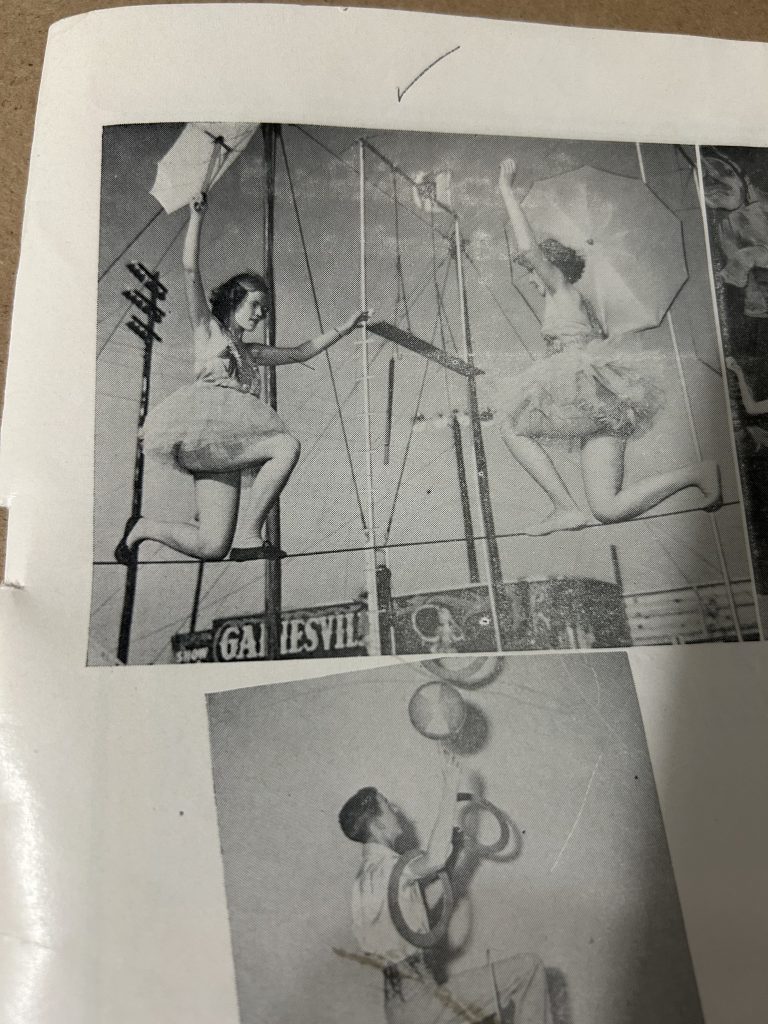
This terra firma event occurred between mom’s Gainesville Circus highwire act performances.
She later recounted the event to a teenage Curtis, exclaiming: “It was like a fire hose!”
This childhood memory came rushing back following a recent conversation about wire services.
Another charming story
The client asked what to do with a $30,000 wire distribution contract.
My advice? Rip it up.
She did, and the money went back into her budget.
The answer surprises people, because wire services have spent decades selling a charming story. The story suggests that journalists read the wire feed, waiting for your news to scroll by.
Yet that has never been true. Not now and not ever.
The inside scoop
Journalists expect important news to hit their inboxes from someone they know, usually a PR person. A press release sitting on a wire is not a pitch. It is a document in a database.
Most companies pay for public relations because they want a journalist to cover what’s in the press release, not because anyone enjoys reading press releases. The press release is a means to an end. Once you accept that, the question of wire distribution gets much simpler.
When the wire earns its keep
There are two situations where paying for a wire service makes sense.
- Material news such as mergers, acquisitions, fundraises, anything with regulatory weight. In those moments you want a permanent, unalterable public record of what you announced and when. That is what a wire service actually sells; for material news, it’s worth buying.
- This reason is newer, and it’s becoming more important every quarter: generative engine optimization (GEO). Claude, ChatGPT and the other answer engines treat a press release published to the wire as a third-party signal. When someone asks an AI assistant about your company, that wire record helps shape the answer. Even for non-material news, a modest wire buy can pull its weight in a way it never did when all readers were human.
What it should cost (not much)
A single release can be free or run to ~$1,000 or $1,500 for a big announcement. We typically recommend the smallest useful circuit, like Business Wire’s technology corridor, domestic only.
If someone handed me $10 for a PR program, I would put maybe a dime toward wire distribution. That’s just enough to get the record and the GEO signal, but no more.
Skip the international circuits
The most common way companies overspend on wire distribution is paying for global or translated circuits. Publishing your release across the Australian continent, or in French, does you no favors, because journalists you want to reach there don’t read the feed either.
International coverage comes from pitching international journalists, and those journalists will tell you what they need.
- A French outlet wants a French customer or a French spokesperson.
- Germany wants a German angle.
- Even the U.K. will say they want British people in the story, not Americans.
The right move is to build a media list for that market and go after those reporters directly. That work is already covered by a retainer with your agency. It costs an email, not a circuit fee.
What to do with the savings
If you rip up a bloated wire contract, put the money into research.
A survey, done right, can create hundreds of stories, because it gives journalists something no other company can offer: original data.
The economics are startling. A flexible, low-cost vendor can field a 50-question survey for around $3,500, a fraction of what many companies spend annually on wire circuits nobody reads.
A video asset is another strong use of the money. Either option produces something journalists and answer engines can actually use.
The bottom line
The press release is not dead. It just has two real jobs left: creating a permanent record of material news and feeding the machines that now answer questions about your company.
Pay for those two jobs. Skip everything else. Spend the difference on stories worth covering.
Mom taught me early that when you try something new while striking the right balance, you can do amazing things and have great stories to tell. The same is true in public relations.