If your team is staring down a calendar full of Gartner, Forrester and IDC events between now and the end of the year, you’re not imagining things. Fall is the busiest stretch on the analyst relations calendar, and the next few months are packed with opportunities to get in front of the people that shape how your buyers make decisions. The question most comms and marketing leaders are facing currently: With so many industry events on the horizon, which should my company attend?
Industry events: the rooms where relationships are built
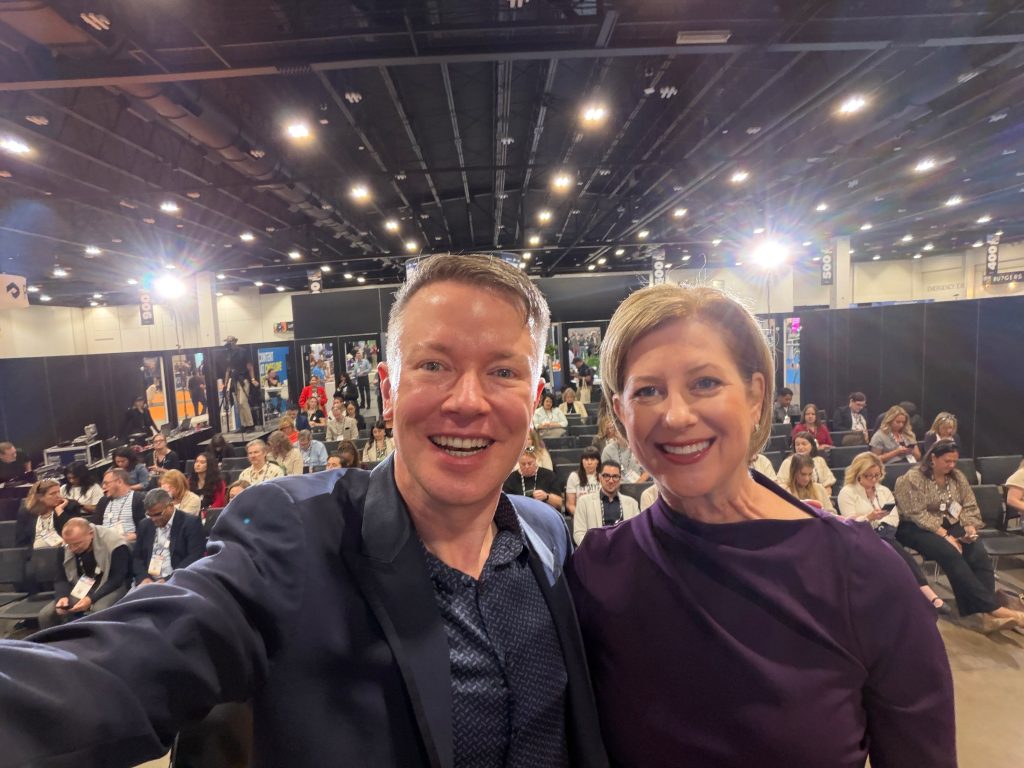
Vertical and industry conferences, the ones built around buyers rather than analysts, are still one of the most efficient ways to spend time with the analysts who cover your category.
Analysts attend these shows, too, and the setting is much more casual than a formal briefing. A quick demo at a booth, a hallway conversation between sessions or a coffee grabbed between keynotes can be as impactful as a scheduled meeting. This is where meeting analysts at vertical industry conferences pays off: it lets the analyst see your product and your team in context, alongside the customers and competitors they’re already talking to.
Analyst outreach before a conference should be treated as seriously as press outreach. If your company sponsors or exhibits at industry events in your sector, a short note letting an analyst know you’ll be on site, with an offer to grab 15 minutes of their time, goes a long way toward getting analyst meetings at a conference instead of just hoping you’ll run into someone in the hallway.
A few analyst briefing best practices worth building into that outreach:
- share a one-page agenda ahead of time to make the most of the interaction
- prepare one or two specific topics rather than a general product update
- confirm the meeting the morning of, since analyst schedules shift constantly onsite
Analyst firm events: smaller rooms, sharper conversations
Then there are the events run directly by the research firms themselves. These draw a narrower, more senior crowd, and the value proposition is different: less about visibility, more about depth.
Knowing how to prepare for a Gartner Symposium, or any flagship analyst event, starts with mapping which analysts from that firm actually cover your category long before you book your event travel.
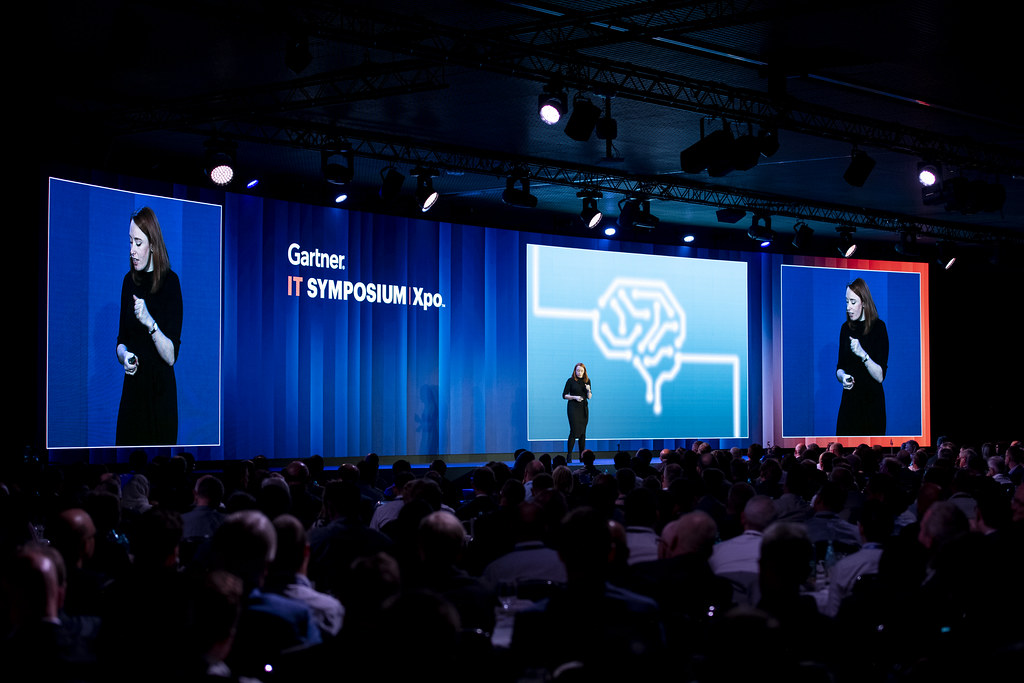
Gartner’s fall and winter calendar includes several stops worth watching.
- September brings the IT Symposium/Xpo and the Cybecurity & Risk Management Summit, both in London.
- October is dominated by the flagship IT Symposium/Xpo in Orlando, arguably the single biggest date on the Gartner calendar.
- From there, Gartner heads to Barcelona in November for the European edition of IT Symposium/Xpo.
- It wraps up at the Identity & Access Management Summit in Las Vegas in December.
Forrester’s calendar runs on a similar rhythm.
- Its B2B Summit EMEA takes place in London in September.
- The Technology & Innovation Forum, one of Forrester’s marquee events for infrastructure and technology leaders, lands in New York City in early November.
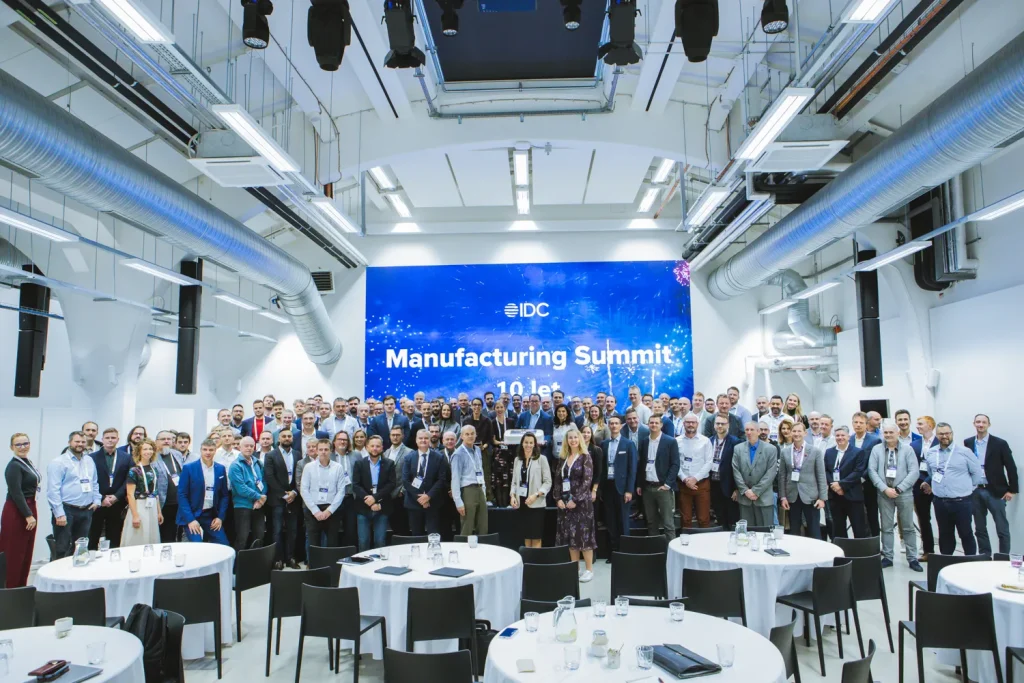
IDC’s approach looks a little different, with a heavier emphasis on regional and vertical depth rather than one or two flagship shows.
- Its financial services, compliance and public sector events run throughout the fall across the Americas, the Middle East and Asia Pacific, including CIO summits in the Gulf region that draw senior technology buyers from banking, government and telecom.
- For companies selling into regulated or public sector markets, these smaller regional events can matter more than a bigger, broader show.
When do regional analyst events beat flagship shows?
The honest answer is: more often than people expect. The final decision depends less on prestige and more on where your company actually is in its lifecycle.
- For early-stage companies with a narrow analyst target list and a limited travel budget, you can usually get more out of one well-prepared conversation at a smaller regional event than a crowded hallway at a flagship show.
- Companies with an established analyst relations program and budget to match may see stronger ROI from being visible at a flagship event like a Gartner Symposium, where the sheer volume of buyers and press in one place can justify the cost.
- And companies in a specific vertical, like financial services, security or HR tech, should weigh the niche firm events as heavily as the bigger generalist shows.
- Budget matters, too. A well-run local or regional event with three or four strong analyst conversations will often outperform a flagship show attended without a plan.
How should early-stage companies approach analyst relations?
The common thread across all of it, whatever stage your company is at, is showing up prepared.
Strong industry analyst engagement means
- knowing which analysts from each firm cover your category
- having a point of view ready that goes beyond your product pitch
- following up quickly while the conversation is still fresh
Conference season rewards teams that treat these events as a relationship-building exercise, not a one-time pitch.
If you’re building out your analyst relations strategy and want a second opinion on which events are worth the investment, we’ve written before about where AR fits into a broader PR strategy, and we’re always happy to talk through your specific calendar.