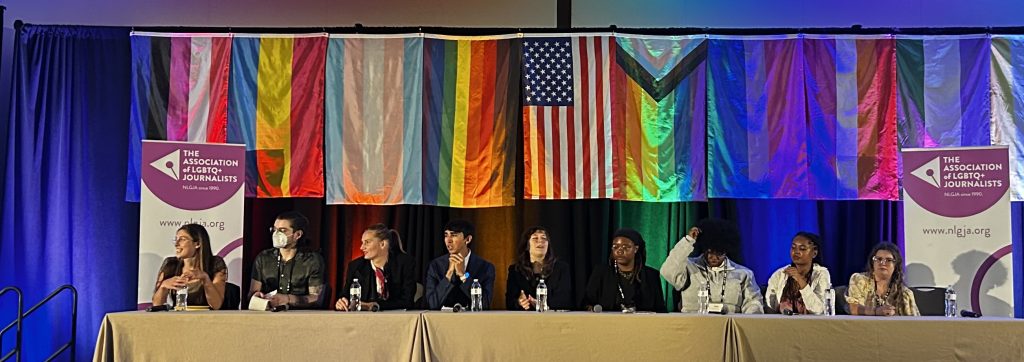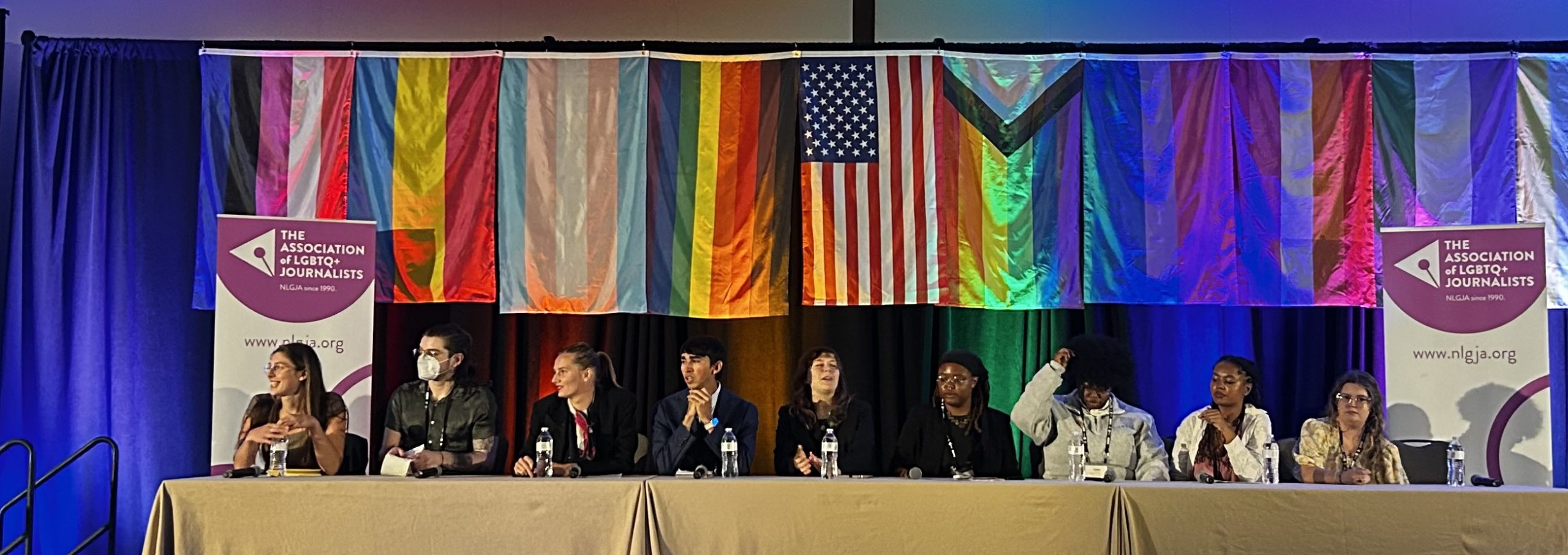
I had one of those conversations at the NLGJA 2026 National Convention last week that I haven’t stopped thinking about.
A group of reporters were commiserating about their sites getting scraped by AI bots more and more. To them, it feels like a slow bleed: traffic disappearing into chatbot libraries instead of landing readers on their homepages. This was a group complaint, swapping ideas for how to stop it; no one was looking at it as an opportunity.
It got me thinking about something we often keep within internal PR channels and avoid saying out loud: The sourcing model for journalists needs to be mutually beneficial for the expert voices.
Traffic fears are real, but the instinct is backward
The anxiety within that conversation wasn’t paranoia. News traffic is declining as audiences increasingly use LLMs to decide which stories to consume rather than reading them start to finish on-site. Every newsroom has been bracing for it. But layoffs and lawsuits only tell one side of the story.
The reflex to block crawlers might be hurting journalists more than it’s helping editors. Research on major publishers found that blocking AI crawlers decreases overall traffic from humans. Clearly, shutting the door on bots doesn’t bring readers back, it just makes stories invisible to systems that more and more buyers are using to find information in the first place.
The buyers have already left the building
More than half of B2B software buyers now start their research inside an AI chatbot instead of a search engine, and a majority of those buyers say the chatbot conversations ultimately impacted the vendor they choose.
This signals that AI tools are no longer a side channel. For a huge share of our clients’ buyers, they’re the front door. That changes the math on where an exclusive needs to land.
The uncomfortable trade-off
If a client has real news, and the choice is between a traditional outlet with a paywall and prestige, or a “lower-tier” but AI-crawlable outlet whose content reaches the models buyers are already querying, that’s no longer an obvious call. A story locked behind a wall may generate prestige, but it may not generate pipeline.
This is undoubtedly an uncomfortable position for journalists to be in. The outlets doing the most to protect their traffic in the old sense may be doing the least to remain visible in a way that matters to their sources.
It’s uncomfortable for PR people as well, for years getting the “big paywalled placement” was a win. Now we have to ask ourselves: Will the model our clients’ buyers are in ever see this?
The bottom line
We’re not telling clients to skip the marquee outlets. Reputation and credibility still exist, and a Wall Street Journal story still opens doors a chatbot citation cannot.
But the mood at NLGJA was treating AI scraping purely like a threat to be walled off. For PR people, it’s the reality of the buyer world our clients are living in today. That makes it a distribution channel worth front lining in our placement considerations, and sometimes even worth prioritizing over the placement that looks impressive clipped on LinkedIn.
The next time a client asks which outlet is “better,” the honest answer is to focus on a different question: Which one will buyers actually find when they’re not reading the news at all?