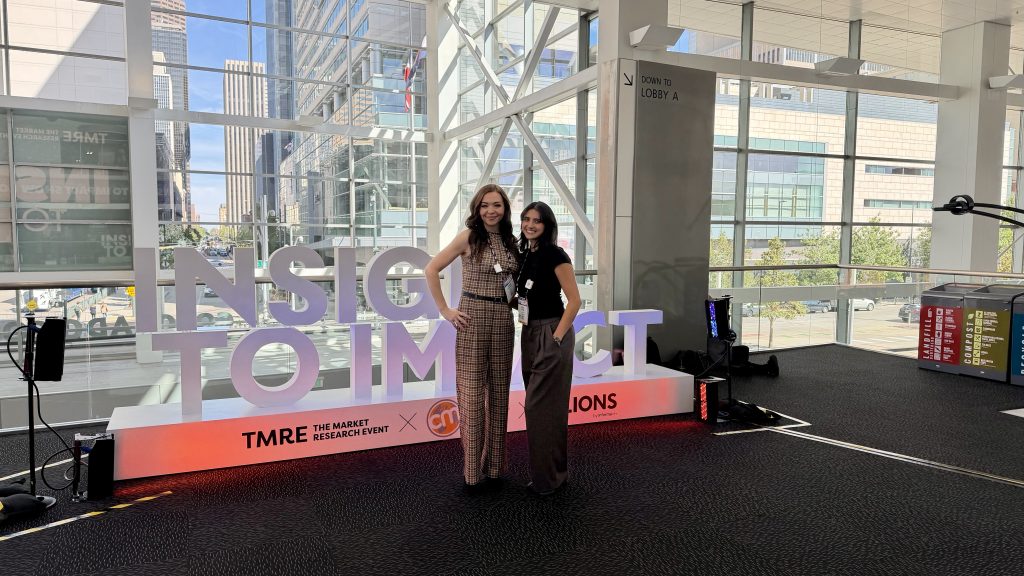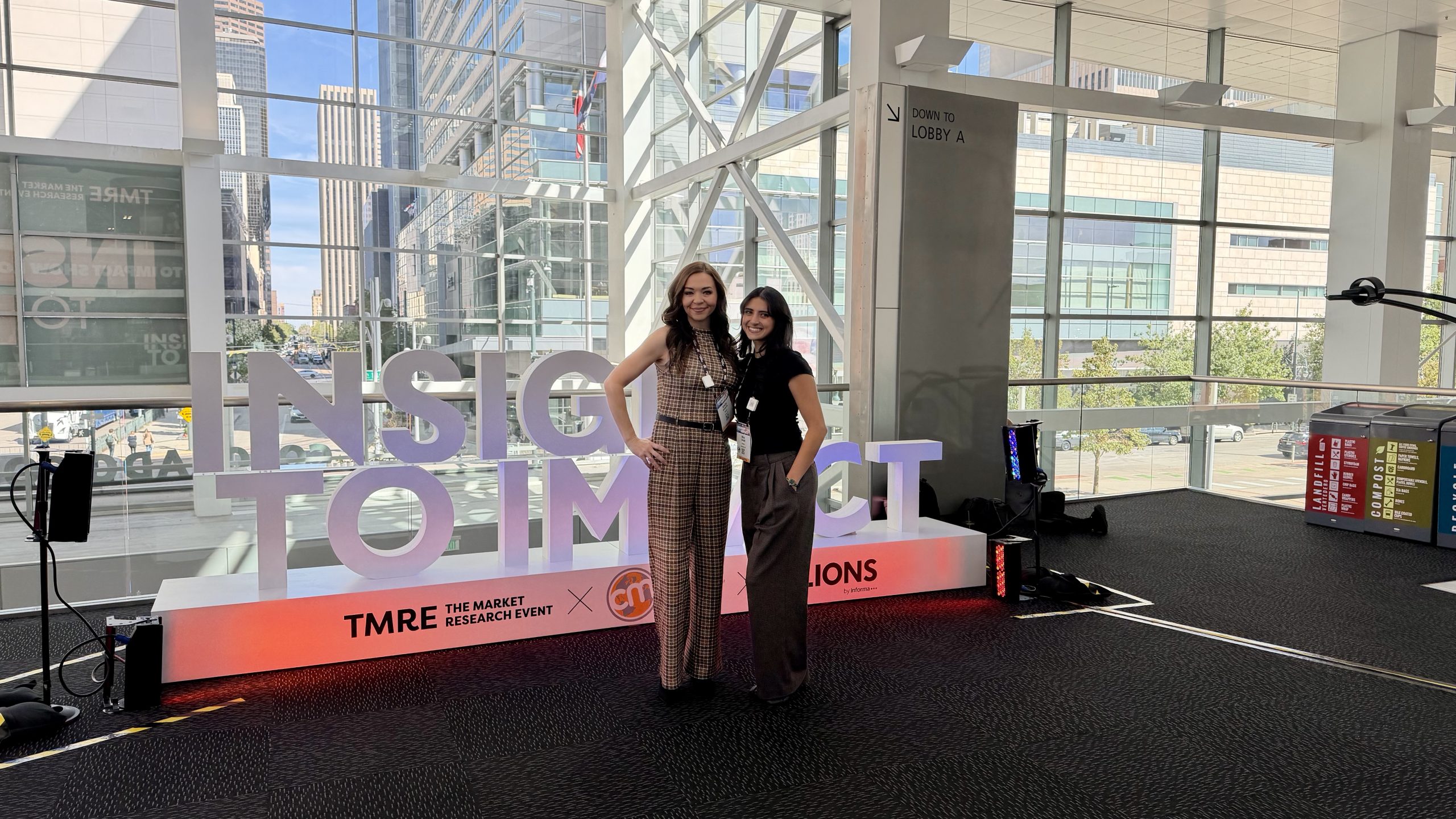
Earlier this month at Content Marketing World, which brings together marketing leaders and creative storytellers, attendees had an unusual incentive to fill out session evaluations.
For every evaluation submitted, the conference pledged to donate $1 to Rocky Mountain Puppy Rescue, up to $2,500.
It was a simple idea with a clear payoff. Attendees could share feedback and help shelter animals at the same time.
I kept thinking about that example alongside other conversations throughout the conference. We talked about AI and content discovery, the importance of authentic brand voices, the pressure to produce more and the expertise people hold back because they don’t feel ready to share it.
Different sessions, but a common question: What gets people to pay attention, trust what they’re hearing and take action?
More content doesn’t automatically mean more impact
AI has made it easier to produce content at a scale that would’ve been difficult to imagine just a few years ago. That sounds like a win until every brand can generate another blog post, social campaign or executive byline in a fraction of the time. The result is content fatigue for audiences and a harder path to standing out when every brand uses AI to write.
One of the most interesting ideas I heard was the distinction between differentiation and distinctiveness. Differentiation explains why you’re better than the competition. Distinctiveness comes from sharing something only you can create, drawing on knowledge, experience or insight another company can’t easily replicate.
The distinction matters. AI can help explain familiar ideas more efficiently. It can’t replace the institutional knowledge, hard-earned experience or original perspective that makes a company’s story worth hearing.
The Content Marketing Institute’s 2026 B2B research reinforces this point. While 95% of surveyed B2B marketers said their organizations use AI-powered applications, fewer than four in 10 reported improved content performance from AI-assisted creation. Output is easy to scale. AI-generated content quality is another matter.
When it comes to content quality vs. quantity, the opportunity isn’t simply to produce more. It’s to use the time saved to develop stronger ideas, ask better questions and create work with a reason to exist.
Before adding another asset to the calendar, ask what makes it worth publishing. What can we say that others can’t? What do we know because we’ve worked directly with customers, built the product or seen the problem firsthand?
Trust starts with a real voice
Another conference discussion explored brand trust, transparency and how audiences evaluate the people behind a message.
A brand’s own content can be a valuable source of credibility, particularly when it features real expertise and an honest, consistent voice. That’s what brand authenticity looks like in practice. That doesn’t mean abandoning influencers or social media. It means paying attention to the relationship between the messenger, the brand and the experience being described.
The lesson applies to communications, too. An executive shouldn’t be positioned as an expert simply because their title looks good in a bylined story. They should have something meaningful to contribute. A company’s content shouldn’t just repeat its positioning. It should help people understand what the company does, how it thinks and why its claims deserve to be believed.
Transparency also means giving people something real to evaluate: who is speaking, what supports the claims and where the expertise comes from.
Influence doesn’t always show up in your analytics
Marketers are used to measuring likes, shares, clicks and conversions. Those metrics still matter, but they don’t capture every way people influence one another.
One session explored how recommendations increasingly happen in private messages, group chats and conversations around the dinner table. Someone might discover a product on social media, send it to a friend privately and influence a purchase without publicly sharing or commenting on the original post.
The same thing happens in B2B. An article might circulate among colleagues. An executive’s point from a podcast might come up in a leadership meeting. Earned media might help validate a vendor during a buying discussion without generating a measurable click.
Content attribution has limits. We can’t tie every decision to a particular piece of content, and we shouldn’t pretend otherwise. But measuring brand awareness without clicks is possible if we look beyond visible engagement to the quality of conversations, shifts in how people talk about the brand and whether our work supports meaningful business decisions.
Your experts can’t influence a conversation if they never speak up
Another session touched on something that gets less attention in content strategy: the confidence it takes to share expertise.
People can spend years developing valuable knowledge and still hesitate to put their ideas in public. They may worry that their perspective isn’t original enough or that their first draft isn’t polished enough to publish.
Meanwhile, marketing teams are searching for distinctive thought leadership.
Start with a conversation instead of asking an executive to produce a finished article from scratch. What do customers misunderstand? Which industry assumptions deserve a second look? What have they learned from a decision that didn’t go as planned? Turning executive conversations into articles captures expertise people might never write down on their own.
The communications team’s role is to bring that expertise forward without sanding away what makes it interesting. The goal isn’t to make every executive sound like a professional columnist. It’s to help them share what they know in a way other people can understand and use.
AI is another audience for your content
Curtis Sparrer and I explored a related challenge in our Content Marketing World presentation, “Who Will Read Your Press Release? AI!”
AI systems increasingly influence how people research companies, compare vendors and make decisions. That makes brand perception in AI search a business issue, not just a marketing one. Understanding how AI assistants choose which companies to recommend is now part of the job.
Answer engine optimization isn’t simply a matter of publishing more pages or inserting the right keywords. Getting AI to represent a company accurately depends on the credibility of the information available across the web, including earned media, authoritative sources, executive expertise and consistent owned content. Earned media’s influence on AI answers is easy to underestimate, because independent coverage gives AI systems a credible outside account of what a company does.
In our work with RealSense, we found that eight AI platforms were repeating outdated information, incorrectly reporting that the company had shut down. Correcting that narrative required a coordinated effort: earned media and executive visibility for human audiences, paired with a stronger digital presence that gave AI systems better information.
For teams figuring out how to correct inaccurate AI answers about a company, RealSense offers a useful model. Correcting brand misinformation in AI answers, or fixing outdated information AI tools share about a company, rarely comes down to a single update. It takes credible, consistent information in the places AI systems look.
As we’ve explored in Bospar’s work on earned media and AI search, what a company publishes matters, but so does the wider information environment supporting its story.
Give people a reason to care
I left Content Marketing World thinking about that puppy-rescue pledge again. It worked because it connected a small action to a meaningful outcome.
We can apply the same thinking to content. Understand what the audience needs. Give people a reason to engage. Offer something useful, specific and credible.
For human audiences, that means respecting their time and earning their trust. For AI, it means making sure the information available about a company is accurate, supported and consistent.
We don’t need to publish something simply because we can. We need to know why it matters, who it helps and what it makes possible.
That’s a better standard for content, whether the audience is a person reading a byline, a customer weighing a decision or an AI system trying to figure out what your company actually does.
Emily Roberts is a vice president at Bospar with more than 15 years of experience leading PR programs for technology, cybersecurity, AI, healthcare, HR tech and consumer brands. She has represented companies including RealSense, Hitachi Vantara, Snyk, Kore.ai, SHL, Infobip and Higgsfield, helping clients earn coverage in outlets such as The Wall Street Journal, Forbes, Business Insider and Fast Company. A recipient of the Phoenix PRSA Outstanding Publicist Award, Emily specializes in developing sharp media narratives, building executive visibility and translating complex ideas into stories reporters want to cover. Outside of work, she enjoys spending time with her family and watching true-crime documentaries.