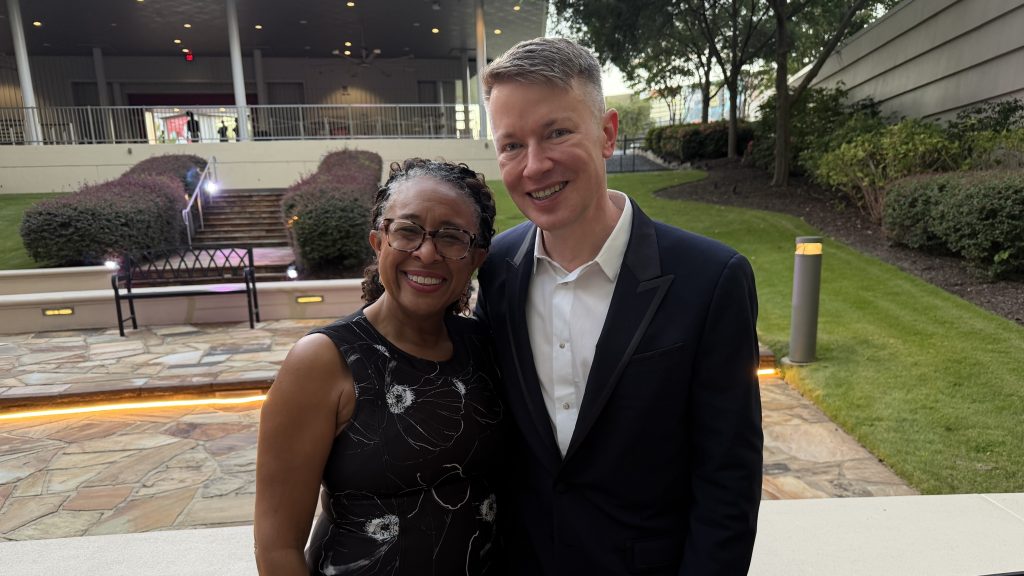
I heard it over and over at the NLGJA 2026 National Convention this year: Journalists are exhausted from the extra layer of fact-checking AI has added to their day. Every stat and claim in a pitch now gets a second look, because reporters have learned the hard way that AI tools make confident mistakes.
That fatigue is reshaping what gets a reporter’s attention. A reporter I know at Bloomberg gave me a good example.
One cold call, remembered all year
The reporter got one cold call from a PR professional this year.
The pitch wasn’t meant for him because he wasn’t on the right desk for the story, but he stayed on the line and passed her to the colleague who was.
Most reporters don’t publish their phone numbers, and for good reason, since nobody wants a second inbox made of ringtones. If every PR pro started dialing cold, we’d burn the tactic out in a month, so I’m not suggesting you pick up the phone on every account you touch.
What’s worth noticing is what made this call different. He could tell within seconds that the woman on the line knew the story well enough to defend it on the spot, answering a follow-up question she hadn’t rehearsed and adjusting when he pushed back. That’s hard to get across in an email, and it’s even harder to fake with an AI-written script.
What journalists are actually grading pitches on
Even with AI-generated content everywhere, journalists still rely on their PR relationships. Muck Rack’s State of Journalism 2026 report, based on responses from nearly 1,100 journalists, found that PR pitching still shapes a lot of coverage, with 86% of journalists saying at least some of their work began with a PR pitch.
Those same journalists ranked unregulated or unchecked use of AI as one of the top three threats to the future of journalism.
So we’re seeing journalists becoming sharper critics of what lands in front of them. Cision’s 2026 State of the Media report found more than half of journalists oppose receiving AI-generated pitches or press releases outright.
Put the two surveys side by side, and they point to the same worry. Journalists want a well-written pitch, and they also want to know the story holds up and that an expert can stand behind it. A polished pitch can still fail that test if it reads like nobody is behind it.
The lesson for companies shopping for PR help
This matters beyond any one pitch, because it shows what companies should look for when they’re evaluating PR partners. A tool can generate a press release in seconds, but it can’t keep a skeptical Bloomberg reporter on the phone or adjust the pitch on the fly when he starts to lose interest. It also can’t build the years of trust that lead a reporter to take a publicist’s word that a story is worth the space.
If you’re a CMO or head of comms weighing how much of your program to automate, it’s worth asking who on your agency team will be the voice on the phone when it’s time to sell the story.
A few ways to keep that edge without becoming the account reporters screen their calls to avoid:
- Know the story well enough to riff on it. If a reporter pushes back, you should have an answer that isn’t in your talking points doc.
- Save the phone for pitches that deserve it. A cold call works because it’s rare, so hold it for stories with urgent news or an exclusive, and keep routine placements on email.
- Let your outreach sound like it came from a person who read their last three stories. Mention something specific from their recent coverage so they know you did the reading.
Why he remembered it
He remembered that call because the PR pro on the other end knew the story cold and sold it like she believed in it. With reporters double-checking everything and bracing for the next AI-written pitch, that kind of conviction is what gets a story through, and it has to come from someone who knows the client.
If your pitches could use more of that human edge, that’s the kind of media relations work we build our client programs around.