Investor Relations
Ensuring current and potential investors see you in the best light is always critical.
Ensuring current and potential investors see you in the best light is always critical. After all, nothing happens without the capital to keep the engine stoked for your business, as Bospar’s Curtis Sparrer noted in an interview with journalist Jane King at the New York Stock Exchange.
Bospar ensures its clients send the right messages at the right time to the right investors. From earnings calls to company announcements and IPOs, we will take every opportunity to analyze and optimize your messaging, presentations and delivery with a keen eye to legal and compliance.
We will collaborate with you to implement and execute an ongoing cadence of updates targeting both buy- and sell-side analysts through press releases, social media, contributed content, industry newsletters, event participation and non-deal roadshows.
And we’ll work with your existing investors to share why they find your solution so valuable.
Bospar ensures its clients send the right messages at the right time to the right investors.
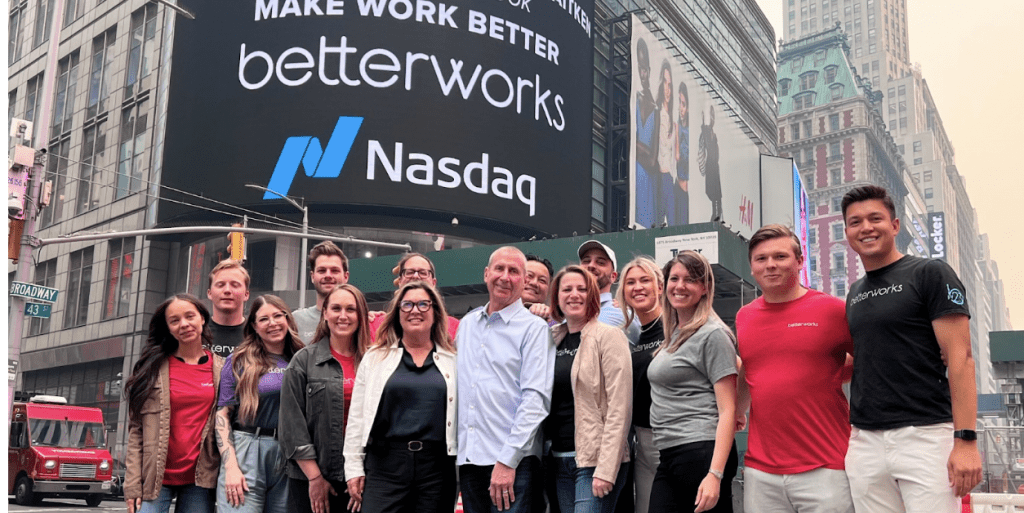
Here are examples of what Bospar’s investor relations services have helped clients achieve:
Bospar promoted Alembic Technologies’ seed funding round to hook NVIDIA as a customer and investor through its CEO, Jensen Huang, and later promoted its series A funding round led by Jeffrey Katzenberg’s and Joe Montana’s investment firms.
Bospar collaborated with Cambium’s IR team to get the word out about its IPO – developing a Q&A roadshow, managing events with analysts, and addressing errors and omissions to ensure the record on listing day was completely accurate.
Bospar worked with Classiq investors to craft quotes for the company’s funding news, driving media coverage in top-tier publications and demand from highly targeted buyers.
Bospar publicized the Ekos $8 million round, securing a banner on NASDAQ’s building in Times Square congratulating the software company on raising the new funds.
Bospar can help!
Whatever your investor relations program needs, Bospar helps you get the payoff you seek.
Bospar provides these services as part of an investor relations program:
- Messaging and positioning: To drive communications throughout an investor relations campaign or IPO process, messaging should highlight your company’s unique story and positive trajectory. A tight, focused messaging approach illuminates company positives and simultaneously addresses risks in a forthright manner.
- Content development: Bospar has extensive experience in all aspects of content development to support investor relations, including earnings reports, annual reports, funding and IPO road show presentations, press releases, newsletters, thought-leadership content, speaking engagements, award applications, web content, case studies, video and social media. Best practices dictate ongoing review of forward-looking financial statements and maintaining awareness of reportable material events.
- Training and coaching for media interviews, earnings calls, funding and IPO presentations: We can train executives for media interviews and earnings calls by providing best practices for presentation and message delivery, responding to questions and objections, and simulations to help executives prepare.
- Preparing for an IPO: The Bospar team has extensive expertise guiding companies entering the public markets. Over the years, we’ve accumulated numerous best practices and techniques for reaching critical IPO audiences like analysts, investors and the press. These best practices are central to articulating the unique value proposition of a given company while managing communications during the quiet period and beyond, making the market entry process smooth and supporting richer valuations.
Ensuring current and potential investors see you in the best light is always critical.
- Mergers and acquisitions: Bospar has extensive experience managing communications for M&A activities, both for the acquirer and the company being acquired. It’s critical to determine strategic contacts for outreach and manage embargoed communications and briefings to avoid leaks until the news is public.
- Financial analyst relations: Bospar can research, identify and contact ideal financial analysts for your company, create and review analyst presentations, provide presentation training and staff analyst briefings, and maintain the relationships by contacting and briefing financial analysts at regular intervals and when significant developments occur.
- Engaging with investors: In addition to customers, investors are powerful allies who can explain the value of a company and its offerings to help support a campaign and future investments. Bospar has leveraged investors’ insights in many campaigns for funding announcements and IPOs.
- Crisis communications: If a crisis erupts, you need immediate help in messaging, content creation, investor, employee and media relations and presentations. Bospar applies our extensive and award-winning experience to manage and mitigate crises and calm storms.

If your company is public or preparing for an IPO, the short answer is yes.
Investor relations (IR) bridges the gap between your business and the investment community, providing the transparency investors need to evaluate your strategy, performance, and long-term potential. Done right, it builds lasting market confidence.
Modern IR has evolved far beyond routine press releases and quarterly earnings calls. Today’s investors expect dynamic engagement across multiple touchpoints from investor conferences, to social channels.
Delivering a clear, consistent story across these mediums requires precision. Bospar brings the experience needed to elevate your IR strategy, ensuring your message lands with clarity, credibility, and impact across the entire investment landscape.
An IPO, or Initial Public Offering, is a process used by private companies to raise capital and begin publicly trading their shares on the open market. Most IPOs involve selling a percentage of company shares to investors who are willing to purchase stock from the company at an agreed-upon time for an agreed-upon amount. IPOs are heavily regulated, specific rules and regulations must be followed in order for the IPO to remain valid and legal.
Since the IPO process is complex, it usually requires the assistance of a broker or IPO advisor to guide the company through each step for both listing on an exchange, like the NYSE, and raising capital. Tech companies often choose to go to IPO to raise the capital required to support the rapid growth needed to compete in the high-tech market. Achieving IPO status assists in establishing corporate credibility, making it easier for the company to raise capital and continue growing.
IPO PR refers to the public relations strategies used by a company at the time of an initial public offering (IPO). IPO PR is a specialized area of public relations that should be handled by a team with proper training and experience in this area. IPO regulations govern the IPO process and require specific disclosure standards to be followed by the company.
IPO PR strategies aim to increase awareness and boost shareholder participation. IPO PR best practices differ based on the company’s stage of development, size, structure, and sector. Depending on these factors, an IPO PR team will employ various methods such as creating positive and newsworthy stories to secure media coverage, arranging interviews and speaking opportunities for the company’s C-level team members, and engaging with influencers or celebrities to help tell the company’s story. Regardless of the approach taken, IPO PR strategies are always highly integrated with other ongoing company efforts such as marketing and investor relations.
When executed properly IPO PR engages a greater number of potential investors by increasing visibility and credibility before the IPO. This greater reach can have a significant positive impact on IPO outcomes.
A Special Purpose Acquisition Company or SPAC took shape in the 90s. Because SPAC is often a quicker and easier way to take a private company public than the better known initial public offering or IPO, it has gained momentum in the past few years.
A group of investors or venture capitalists initially forms a SPAC. They complete the IPO process and are assigned a ticker symbol. Since the SPAC has no operating or financial history, the IPO process with the Security Exchange Commission (SEC) is simplified. Once through the IPO process, the SPAC is often referred to as a Shell Company.
Within two years of completing the IPO process, the SPAC identifies and acquires or merges with a privately held company, thereby making it public. Often, the privately held company is already known by the sponsors when the SPAC forms, making the two-year timeframe easily achievable.
Key PR opportunities emerge as soon as the SPAC identifies the acquisition target. Working with an experienced SPAC PR agency ensures these opportunities are worked to their full advantage. It is important that the selected PR agency is experienced in both SPAC PR and in the industry of the acquisition target.
Announcing the deal is a critical media opportunity in the SPAC lifecycle and requires PR expertise to expertly craft the story and have it picked up by as many outlets as possible. Deal announcements have tremendous media appeal, and the resulting coverage provides the momentum needed for investors to secure the approvals to close the deal.
Ongoing PR efforts are essential throughout the deal negotiation and finalization process. By putting the deal front and centre in the media, the energy to close quickly is easily maintained.
Working with a PR agency experienced in SPAC PR to create an effective strategy to be executed throughout the SPAC process helps position the deal to existing and prospective shareholders. When the merits of the deal are clearly articulated and bolstered with consistent coverage secured by seasoned SPAC PR partners, the necessary approvals are easier to secure and SPACs are measurably more successful.