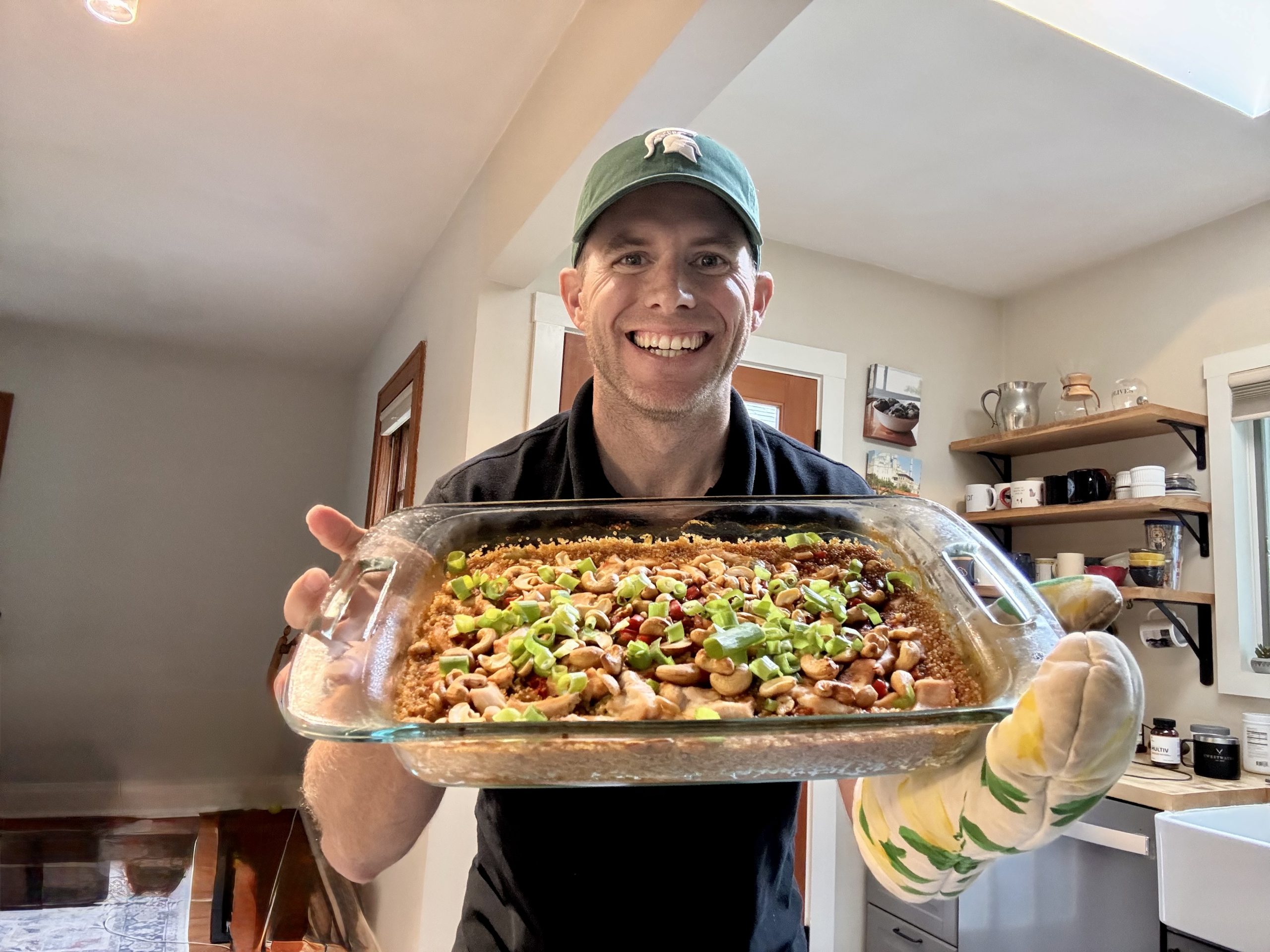
My experience started with food bloggers in 2014. We supplied them with seemingly endless amounts of quinoa and, in return, they would create an amazing recipe with a supporting blog and social posts to showcase the product. Their creativity and autonomy earned influence, which over the nine-month program reached more than 13 million people organically.
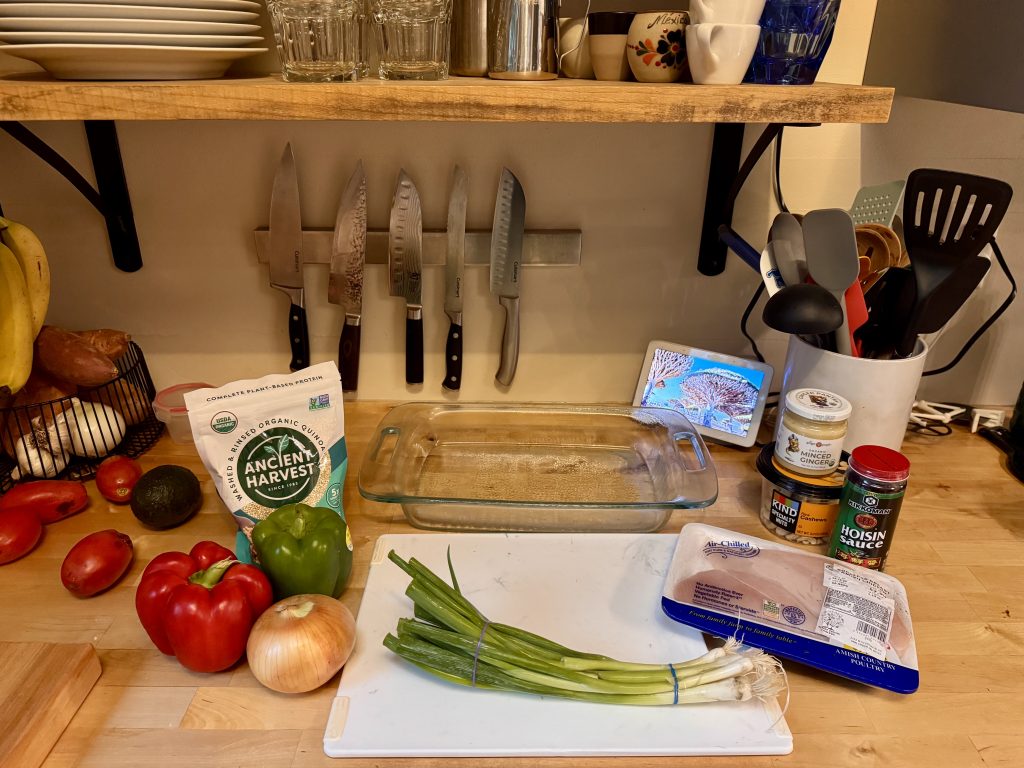
Heck, to this day, I still make this cashew quinoa casserole!
Current B2B creators remind me a lot of early blogger programs. The success they are experiencing is due to people paying attention to individual voices rather than brand pages, a pool of talent with real subject-matter expertise, and their use of platforms as a place to build relationships rather than a distribution channel. The proximity to trusted, personal content gets people to show up, and brands haven’t shown up in masses trying to borrow unearned credibility, which keeps people coming back.
This raises the bar for who qualifies as a true creator, versus someone with a good video presence and a ring light, or, even worse, AI-generated content.
High-performing content built around expertise, not entertainment, excels because it is created for credibility, not reach. Of the more than 303 million creators worldwide, only 14% identify as influencers, and 60% hold full-time jobs outside of content creation, according to Beyond the Boardroom’s reporting. These are practitioners and educators looking to share their passion.
This is interesting, and now I am somewhat hungry, so what does this mean for my PR plan?
Earned versus paid
Paid creator partnerships are transactional and brand-led, with briefs filled with language and guaranteed deliverables. Earned creator engagement is relationship-driven: Participation isn’t guaranteed, the creator controls the storytelling and the goal is long-term advocacy rather than a single or series of posts. Done right, an earned approach at a single event or launch moment can generate a large volume of organic, creator-produced content with no paid posting requirements. This is a very different value proposition than a guaranteed #sponsored post.
Value exchange
Earned creators need something in return that isn’t a fee. For example, early product access, time with executives, proprietary data or a genuine role in an event. Without that exchange, an independent voice has no reason to participate.
Traditional media, creators and owned channels aren’t competing
Traditional earned media builds broad validation. Creators add niche relevance and an ongoing conversation. Owned channels extend the story further. The strongest programs bring all three of these dimensions together, creating a great team.
A stake > a fee
Beyond the Boardroom’s reporting points to a more durable model than the standard licensing arrangement: giving a creator real involvement in what’s being built together, whether that’s an entrepreneur-in-residence arrangement, a revenue share or simply bringing them inside a genuine business problem rather than asking them to comment on a decision that’s already been made. Rather than paying for praise, the brands doing this well are inviting scrutiny and working to address it.
This is good stuff. Anything else I should know?
Audit first, campaign second
Before building anything, look at which creators and content types are already being cited or engaged with by your target audience and where your brand shows up (or doesn’t) in AI-generated answers. This tells you where relationships already have traction.
Match the creator tier to the goal
Generally, creators with audiences between 1,000 and 500,000 followers deliver more focused communities and stronger credibility than pure reach. Use larger creators (with followings of 500k+) for moments that need broad validation.
Design the value exchange up front
Decide what you can consistently offer that isn’t payment.
Options to consider include:
- Executive access
- Early demos
- Proprietary insights and data
- Event experiences
- Co-created content
If a program requires guaranteed deliverables and specific messaging, that’s a paid partnership and should be scoped and budgeted as such.
Commitment matters
The programs that perform best are longer-term partnerships. Think nine months to a year minimum. They’re always-on relationships that get reactivated around each new launch, event or milestone. The compounding value comes from the relationship, not the individual post.
Oh, and nothing rocks a modern meal like an ancient grain!