Have you ever Googled yourself or your company?
I’m only slightly embarrassed to admit that I have. Maybe you have, too.
Here’s the better question now: Have you asked AI about your company?
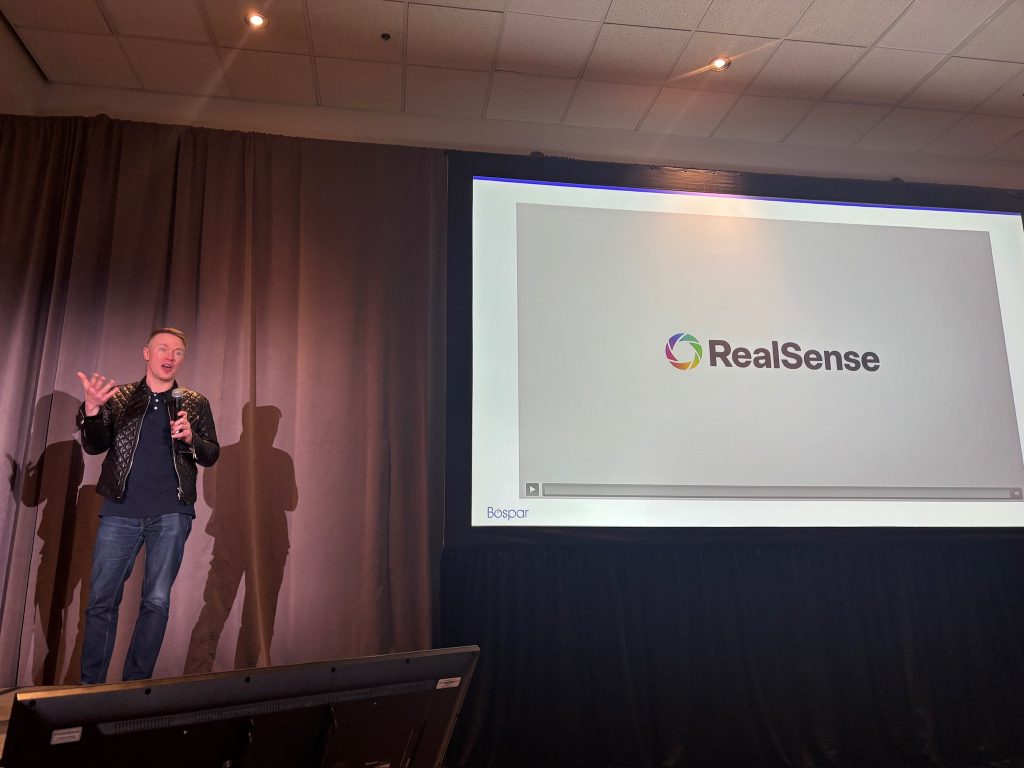
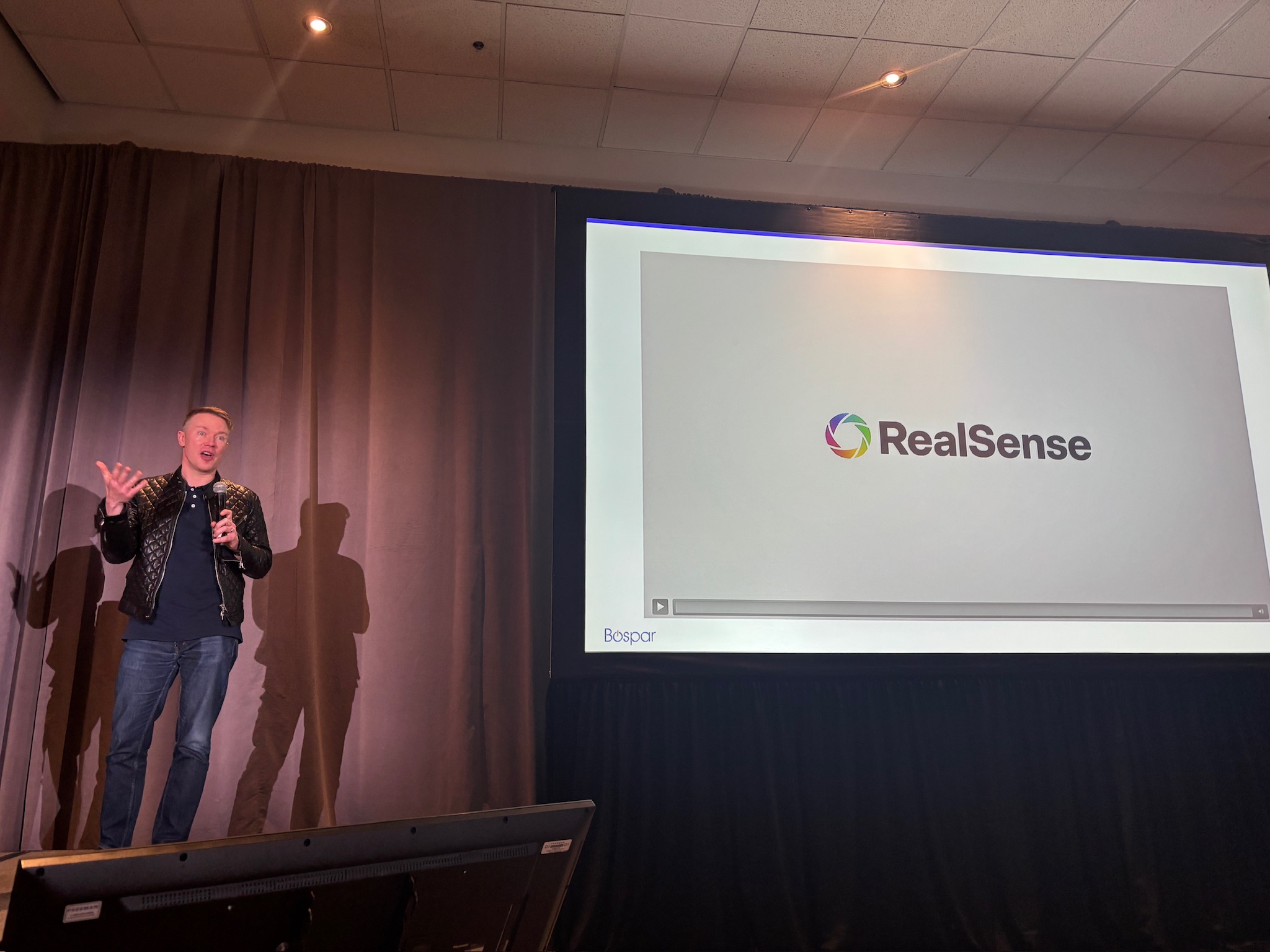
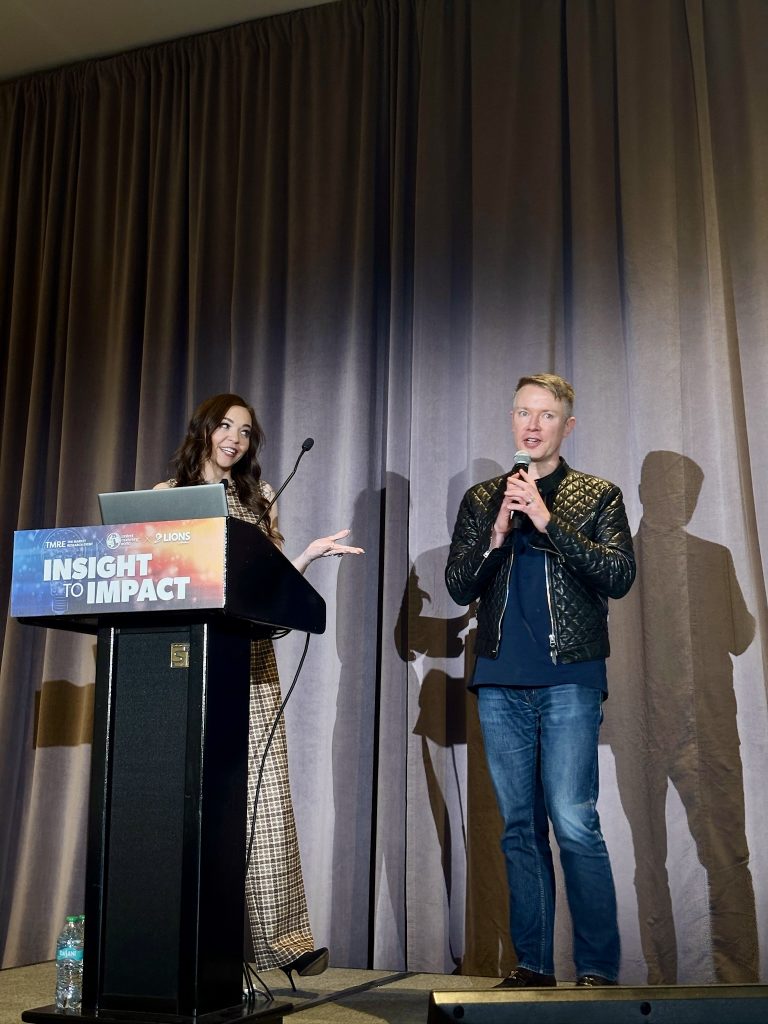
As my colleague and Content Marketing World co-presenter Emily Roberts recently pointed out, it’s important to do both. Emily and I discovered just how important in working with RealSense.
AI Rendered the Ultimate Hallucination: The Company is Dead
Whether or not we all want to admit it, AI tools are out there, and they’re talking about us.
We need to know what they’re saying, whether it aligns with messages that we’re working to project, and how to change the perceptions of AI tools, and those who use them, when needed.
This was not top of mind when RealSense, a division of Intel, called on us for public relations.
But after digging in with this client, we learned that although it was one of the leaders in robotic sight, would-be customers weren’t converting as expected, impacting the sales pipeline. Following further investigation, we discovered that ChatGPT and the other AI overlords thought the company was defunct. This, despite ~500 stories about the soon-to-be-spun off company.
How could this happen? And what could we do to correct what AI said and AI users read?
Generative Reputation Engineering Changed AI’s Collective Mind
Turns out that AI misread the discontinuation of a product as the entire company shuttering.
Word spread fast, because when AI says you’re dead, people believe it.
There was no fix. No hotline to call Sam Altman. No playbook for correcting AI error.
So, we created one, going beyond GEO to employ Generative Reputation Engineering.
In our audit of the eight largest AI engines, we found each one drew from and prioritized different sources, dynamically reevaluating and changing as new information became available.
We reverse-engineered their logic, activating a strategy that was one part media engagement, one part digital presence. The stories we earned through media engagement worked to correct the narrative in the media each engine trusted most. At the same time, we restructured the client’s digital presence, updating and adding to its website with an About page, blogs, case studies and FAQs content that told a consistent story, and using schema for contextual tagging. That, and the client’s consistent social media messages, made it easy for AI to understand.
The result?
- 140 news headlines in 20 hours
- 500+ in a week
- Web traffic +4x
Even better. The machines changed their minds!
ChatGPT even admitted it’s error, responding “The blunt truth: RealSense didn’t die.”
Business Exploded, Leading the Company to Be Acquired Months Later
That’s not the end of the story. Not even close.
Following the explosion in media coverage and new understanding by AI:
- More than 380 inbound leads arrived within days
- That created a multi-million-dollar, multi-year pipeline
- To date sales are up +50%
But it gets even better.
Months after being spun off, RealSense was acquired for 10x the investment by Cognex.
The lesson? There is a monetary value to successful Generative Reputation Engineering.
Understanding this, Bospar took what it learned to develop Audit*E, a tool that helps companies of all kinds to analyze their competitive positioning across AI platforms.
How This All Applies To Your Business’ Search for the Truth and Value
That’s all well and good, you may be thinking, but what does it have to do with me?
Simply that at a time when decision makers and buyers increasingly rely on AI tools to find and understand companies and their offerings, every business should know what AI tools are saying.
More than half of B2B software buyers now start their research inside an AI chatbot instead of a search engine, and most say that the conversation shaped which vendor they picked.
That said, companies of all stripes should proceed with the understanding that:
- Your first reader may now be a machine. That changes the whole playbook for how to create content. It makes consistency in content across earned media, social media and your website more important than ever. It requires organizations to pay more attention to schema and formatting to make their content more findable and consumable by AI. And it calls on savvy companies to write and put press releases on the wire because when a press release is on the wire, it’s another signal that AI picks up on.
- Prestige still matters. But discoverability matters, too. Companies often tell PR experts that they only want top-tier coverage. But prestige matters less in the world of AI search. You don’t have to get The Wall Street Journal or TechCrunch coverage to get AI’s attention, giving companies a new sense of freedom. What’s more, journalists at smaller outlets are more likely to create the stories that are closer to what companies want.
- Know what your company is About. The About pages on company websites tend to confuse AI the most. They’re often out of date, and out of alignment with other content on corporate websites, social media and media reports, sending AI mixed signals. Assess whether your About page is due for a refresh and keep it updated as you evolve.
- There’s no such thing as AI visibility. Understand which platforms influence your stakeholders. Companies often overlook platforms like Reddit and Bing. But Reddit feeds major LLMs, and Bing is owned by Microsoft, which operates Copilot.
- Don’t forget the human element. I would be remiss if I didn’t add the human element to this story. As a content marketer or PR professional, you still need to have relationships with reporters, whose stories help inform people and AI. You can’t just hit them up with AI-generated pitches. Getting your message heard by reporters takes time and care.
Which brings us back to where we started.
RealSense didn’t come back from the dead because we gamed an algorithm. It came back because real journalists told its real story, and we made sure the machines could understand it.
So go ahead and Google yourself. Then ask ChatGPT, Claude, Gemini and Perplexity what they know about your company. You may be pleased with what you find. Or you may discover that the machines have been telling a very different story.
Either way, remember: If you don’t tell AI who you are, AI will decide for you.