For decades, governments digitized paperwork, built online portals and experimented with “smart city” dashboards to streamline processes. These improvements made services easier to access but didn’t fundamentally change how cities operate day to day.
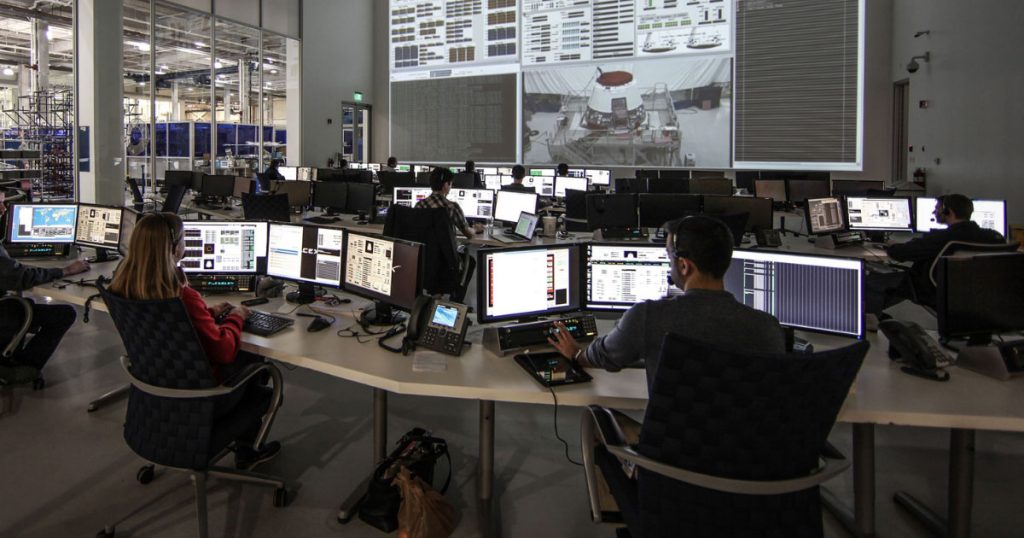
AI is different. Instead of simply collecting data and displaying it on dashboards, AI is starting to operate systems. These platforms can monitor conditions in real time, spot risks and help public agencies respond faster with context.
The Cloud Misconception
A misconception continues to slow the adoption of AI systems for public infrastructure: the belief that on-premise systems are inherently safer than cloud solutions.
They aren’t.
Cloud deployments are designed for resilience. Functionality and data can be replicated across multiple locations, protecting against a wildfire, hurricane or other event that disrupts one region. Emergency response system managers have long sought that level of redundancy.
Legacy Systems Are Holding Cities Back
Despite AI’s advances, many public safety agencies still rely on legacy infrastructure. Legacy systems still rule in federal IT. Three in five IT leaders say they trust old systems more than modern tech, but 64% admit updating them is too expensive. Agencies are caught between relying on what still works and recognizing the need for an upgrade.
Large incumbents dominate the public infrastructure IT market with long-term contracts that reward continual maintenance over innovation. Systems designed decades ago also remain embedded in emergency response operations because public-sector IT is typically slow to adopt new technology and constrained by limited budgets.
The consequences become clear during crises. Outdated software that cannot generate correlations leads to slower response times and fewer context-aware alerts. Agencies struggle to integrate new tools and often lack visibility to coordinate effectively.
Those gaps matter in public infrastructure, with people’s lives sometimes at stake.
The Hidden Problem: Fragmented Systems
Another challenge for broader AI adoption is fragmentation across the public safety technology stack.
Emergency response relies on multiple systems that, ideally, work together, while risking that a single failure point disrupts the process. Teams manage call-taking platforms, mapping tools, dispatch software and responder applications, and these systems are not typically “talking” to each other in meaningful ways.
Details gathered during an emergency call may not transfer to dispatch systems. Context provided by dispatchers may not reach field responders in a useful format. Valuable data can disappear between platforms.
AI solutions can connect these systems and analyze data across them. Agencies can operate with a single, end-to-end incident viewpoint, so everyone involved has real-time information.
From Reactive to Proactive
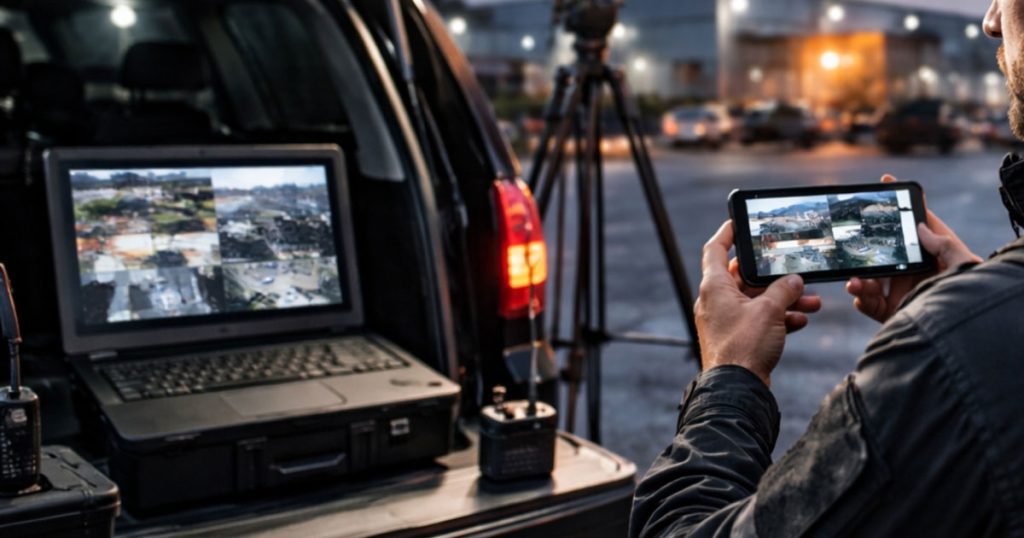
AI-powered sensors and cameras can detect risks before escalation. Traffic pattern data can help spot dangerous intersections. Environmental sensors can identify infrastructure stress within water districts or utilities. Predictive models can highlight emerging crime hotspots by compiling data that provides a more holistic view.
Emergency response also becomes faster and more informed. Dispatchers can pull together location data, video feeds and historical incident patterns in seconds, providing responders with context before they arrive on scene.
AI can also automate routine administrative work, including report writing and evidence transcription, freeing professionals to focus more on strategic decision-making and collaboration.
Infrastructure Is Ultimately About People
Public infrastructure is built around people. Dispatchers coordinate responses, and responders take action to protect and serve their community.
The systems supporting them must be resilient and perform reliably under stress to provide the right information at the right time.
AI creates networks that can continue operating during disasters or system failures.
Why This Shift Matters Now
The timing matters.
By 2030, more than 60% of the world’s population will live in cities. Urban infrastructure is already under strain, and many municipal systems are decades old for much smaller populations.
Operational inefficiencies such as congestion and response delays cost cities billions of dollars every year.
Fortunately, technological improvements are helping resolve the problem. Sensors are dramatically cheaper than they were a decade ago. Edge computing allows systems to process data instantly without waiting for the cloud. AI models can analyze massive datasets in real time.
These advances are making AI-native public infrastructure possible for the first time.
The Narrative Matters Too
Public safety infrastructure managers who move to AI platforms face another challenge: explaining these systems to the public.
Citizens will want to understand how and where AI is employed. They will want to know the how and why of decision-making and that humans remain involved in the process and provide overall direction.
Policymakers will debate governance frameworks, and agencies will need to communicate clearly about how these technologies improve safety and how they are smarter, cheaper and more effective than legacy systems.
The shift toward AI-enabled infrastructure is a technical process, but it’s also a communications story. There needs to be content and narrative building that supports the move to AI, with transparency and trust within every message.
Cities that succeed will confidently make the case for AI and explain its use as part of technological evolution. Dispatchers once relied on paper maps and radio logs before GPS and real-time traffic data. Workers and the public will come to see AI-enabled systems as practical upgrades in how cities serve and protect their citizens.
Key takeaways:
- AI gives public agencies real-time connected views that combine multiple data sources
- Predictive AI can detect risks such as traffic hazards before they happen
- Transparency about AI adoption can build public trust in the safety and efficacy of new AI-powered solutions