By now, you’ve probably heard about Vanity Fair’s two-part story on Trump’s inner circle. Anyone can tell it’s a fascinating depiction of his team, written over the course of a year via first-person accounts. Some love it, some hate it, but it’s making headlines for good reason.
Susie Wiles, Trump’s chief of staff, and her team have come out saying this feature was a hit piece that lacked context. But aside from a one-off comment from Trump, who is known to call anything he disagrees with “fake news” or a hoax, they are not denying any of the facts reported in either story.
Here’s what that tells me as a PR professional. Wiles, Karoline Leavitt, JD Vance and others went into the interview series honestly, but they had forgotten the golden rule of media: Assume you are always on the record when you speak with a reporter, unless it is explicitly agreed that you are speaking on background.
Take Vance’s joking, for example. He said to Christopher Anderson, the photographer assigned to the feature, “I’ll give you $100 for every person you make look really s–tty compared to me. And $1,000 if it’s Marco [Rubio].”
Even in that context, he is on the record. Even though he’s not officially doing an interview. Even though he’s not talking to the reporter who was assigned to write the story.
Why this matters for your executive team
It’s easy to feel comfortable in an interview when it’s your 11th time speaking with a reporter or when you are spending extended time together, as was likely the case for Susie Wiles.
But it’s still important to remember that their allegiance is to their audience, and they can write a story, so long as it’s factual, with any angle their editors approve. It doesn’t matter if they’ve conducted one, two or 11 media interviews; news outlets can publish quotes from any portion of their conversation.
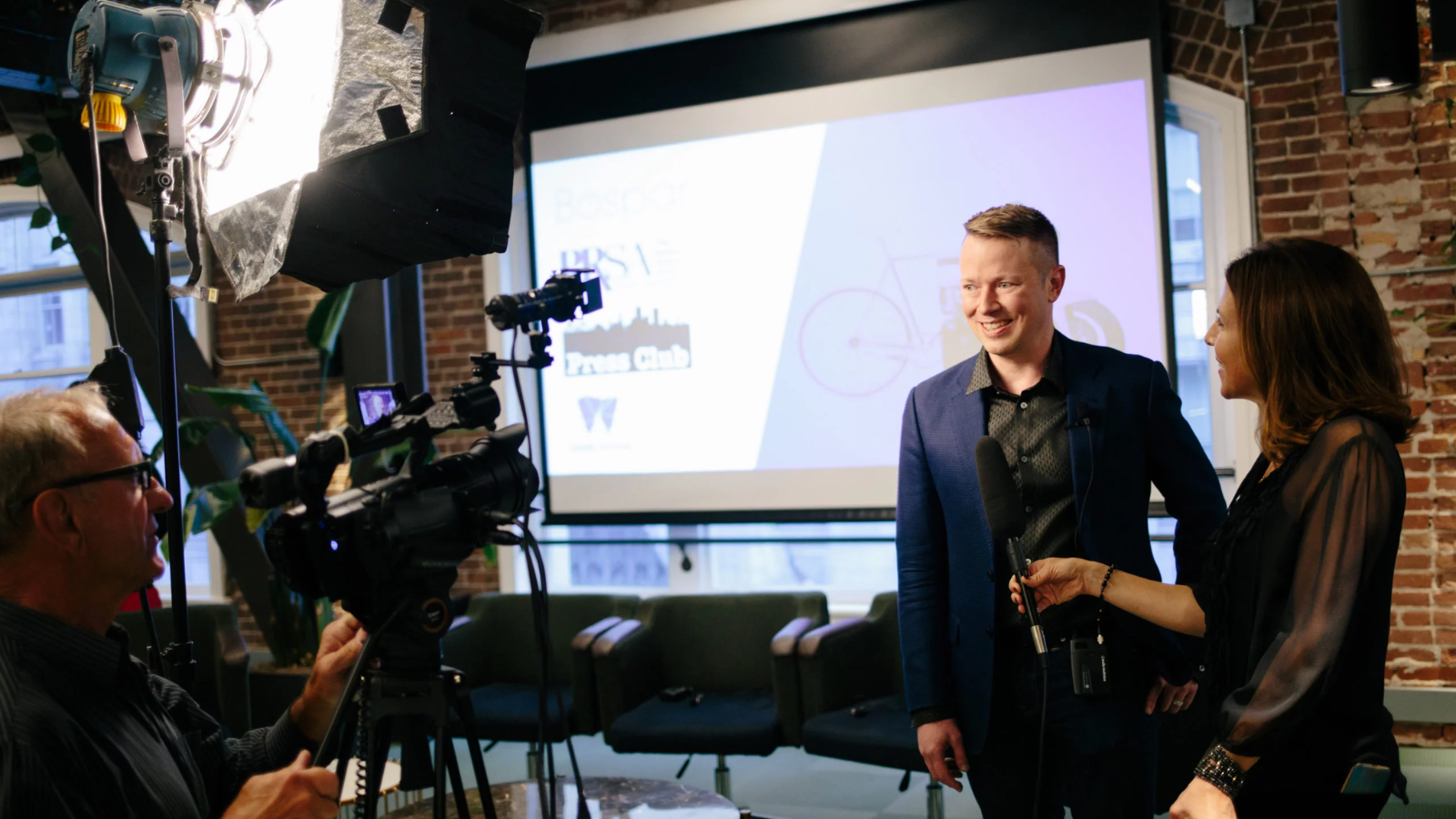
The easy solution here is to revisit your media training regularly, no matter how many times you speak with the media each week. At Bospar, one of our areas of expertise is media training. We have a dedicated training team – including former on-air journalist Eric Chemi, who worked for Bloomberg and CNBC, and Tomio Geron, who wrote for news outlets including the Wall Street Journal, Forbes and Dow Jones – that works with executives, comms teams and any subject matter expert who is being asked to step in as a company spokesperson.
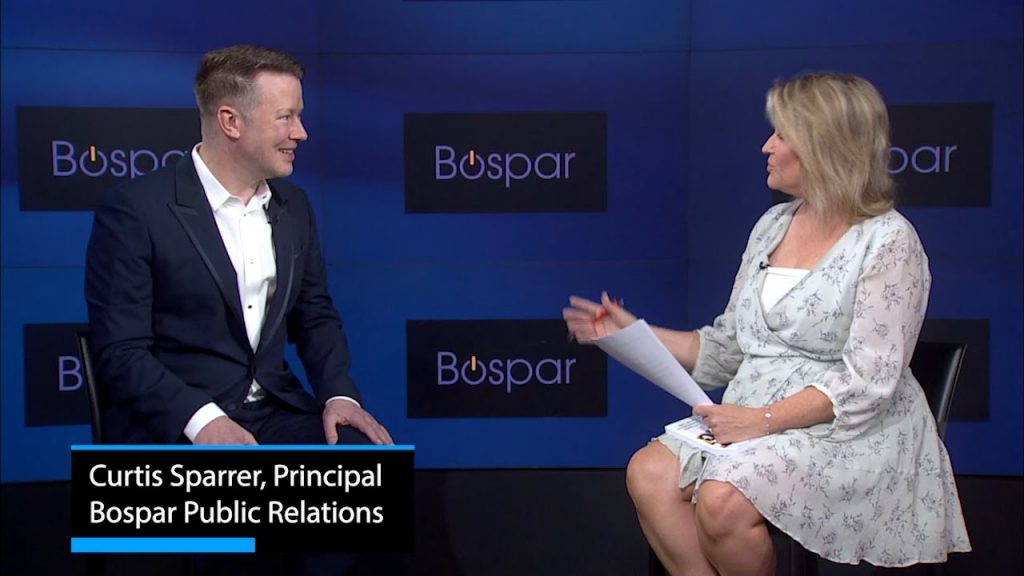
Our sessions range from one-off training to extensive programs designed to prepare for difficult interviews. Still, all cover the basics: Know your story and key message, present comfortably and, most importantly, remember you are ALWAYS on the record!
We also cover the importance of knowing the background of both the reporter and the publication. This is partially the comms team’s responsibility to ensure it is appropriately communicated. When a Bospartan is the media contact for an interview, we share this information in briefing documents compiled for each spokesperson before each interview.
Wiles and her team couldn’t treat Vanity Fair as if it were Fox and Friends because they have different audiences and are likely to have different takes on the same story.
Ad Fontes releases an interactive media bias chart each year. If you review the 2025 version, you’ll see that they rank Vanity Fair as strongly left-leaning, with slightly above-average reliability. It’s no surprise that this story wouldn’t be written as a love letter to Trump or any conservative politician. The media training prior to their interview should have covered that.
The power of social media amplification
Vanity Fair also shared portraits of those interviewed on social media, along with unconventional descriptions of their roles in the administration. The portraits are raw, revealing and emotional.
This is driving traffic to the media outlet’s website and increasing attention to the story, especially among those unlikely to read the whole piece, like Gen Z and Gen A social media users. TikTok, Instagram and Facebook have been among some of the most popular engines for sharing this story.
Now, not only does the White House have to deal with the media discussions, but it also has to mitigate this social media tsunami that’s spreading the story further and wider than ever.
While one can argue that the White House has a strategy (of some sort!) for social media, bringing in third-party experts with a clean slate and a wider understanding of the industry could help mitigate this sooner. Crisis communications support would also be helpful, and this process may include public opinion polling, press conferences and/or event press releases to reframe the perceptions of the administration.
The path forward for Trump 2.0
Not all PR is good PR, and not all media coverage is seen as a win. In this case, it’s likely the White House isn’t viewing this as the slam-dunk article they may have thought they were getting.
No matter your political views, perhaps we can all agree that the true villain here is the lack of media training of Trump’s inner circle before they headed into this series of interviews.
Next time, they should review the media outlet and the reporter before agreeing to an interview, and participate in a refresher media training course.