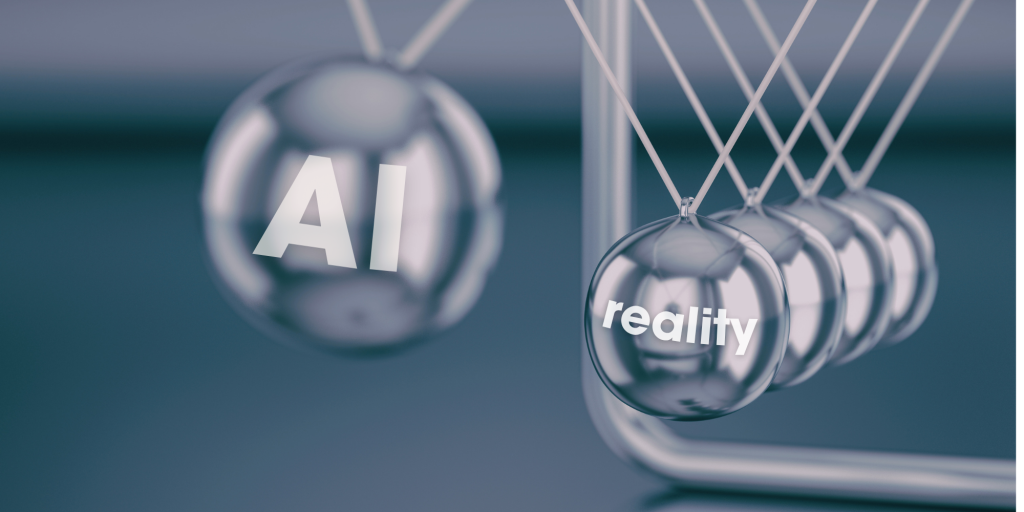
Tools such as Midjourney, Gemini and ChatGPT are all trained using billions of images from the internet. The LLM scans millions of images along with associated text. The algorithms spot trends in images and text and eventually begin to infer which images and text fit together.
But what does using AI-generated images as part of your social media program, public relations effort, advertising, marketing or other initiatives mean for your brand and your legal liability?
An ethical gray zone and a brand risk
AI training models reflect biases due to their training data, sometimes over- or underrepresenting certain groups. The Washington Post article “This is how AI image generators see the world” demonstrates these biases.
This can create ethical issues. It can also harm your brand by limiting audience representation.
AI models are also sometimes trained on copyrighted images without acknowledging the source. Since AI generators build new images from pre-existing ones, is anything truly original, or is it all technically derivative? If it isn’t original, then is there any real legal standing?
A potential liability for your company
In March 2025, the U.S. Court of Appeals for the D.C. Circuit affirmed the district court’s decision in Thaler v. Perlmutter, confirming works need a human author to be copyrightable. In March 2023, the Copyright Office released Copyright Registration Guidance that clarified that works can be copyrighted if there is “sufficiently creative” human arrangement or modification.
Prompting alone is a gray area, and a fully generated campaign likely has little legal standing in court. This means if a competitor wanted to copy a generated work, it could. This creates B2B brand liability for AI-generated images.
Most AI image generators’ terms of service push copyright and IP liability onto the user, not the platform. If a generated image turns out to infringe on existing copyrighted material, then the B2B company or B2C brand that used the generated media is liable rather than the AI it used.
A best practice for any brand considering AI image creation
You may not own what you think you own. Pure published AI output with zero human refinement has little to no copyright protection.
A competitor could repurpose your “signature legally” visual, and you’d have no recourse. And if an AI-generated image you use resembles copyrighted training data, you hold the risk.
Prevention is cheap. Reactive care is expensive.
Overall, it is cheaper to create graphics or images yourself, with sources and copyright information you know, than to risk liability with LLMs. Ending up in a lawsuit takes far more resources than getting it right the first time.