People who work in PR learn to keep their opinions about journalism to themselves. And as president of the San Francisco Press Club, I have double the reason to hold my tongue. But where Mexican food is concerned, I can’t stay silent.
This is personal to me. I grew up in Dallas, where Mexican food was less a cuisine than a birthright. My first restaurant jobs were at ZuZu, a local Mexican spot, and at the third Chili’s ever opened. I love mole.
While hunting for a photo for this piece, I scrolled my camera roll and found Mexican food I’d photographed in Cannes, Nice, Paris, Bora Bora, Iceland and a French ski village called Valberg. Clearly, I’ll order it anywhere on Earth someone is pressing tortillas.
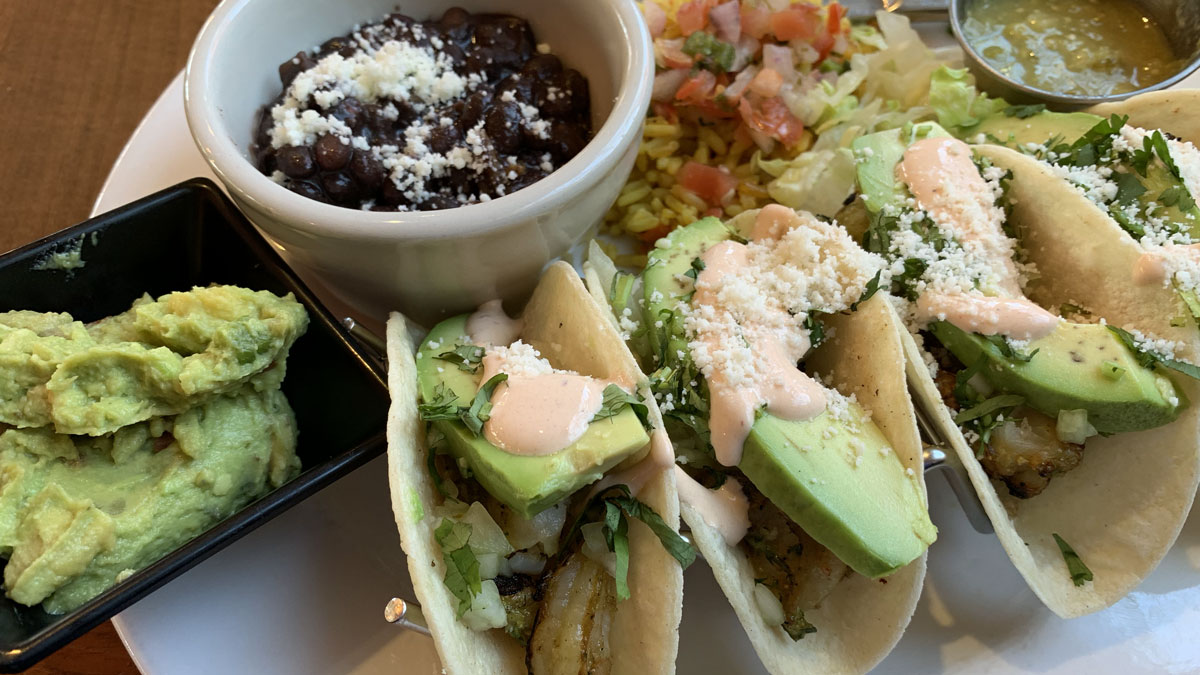
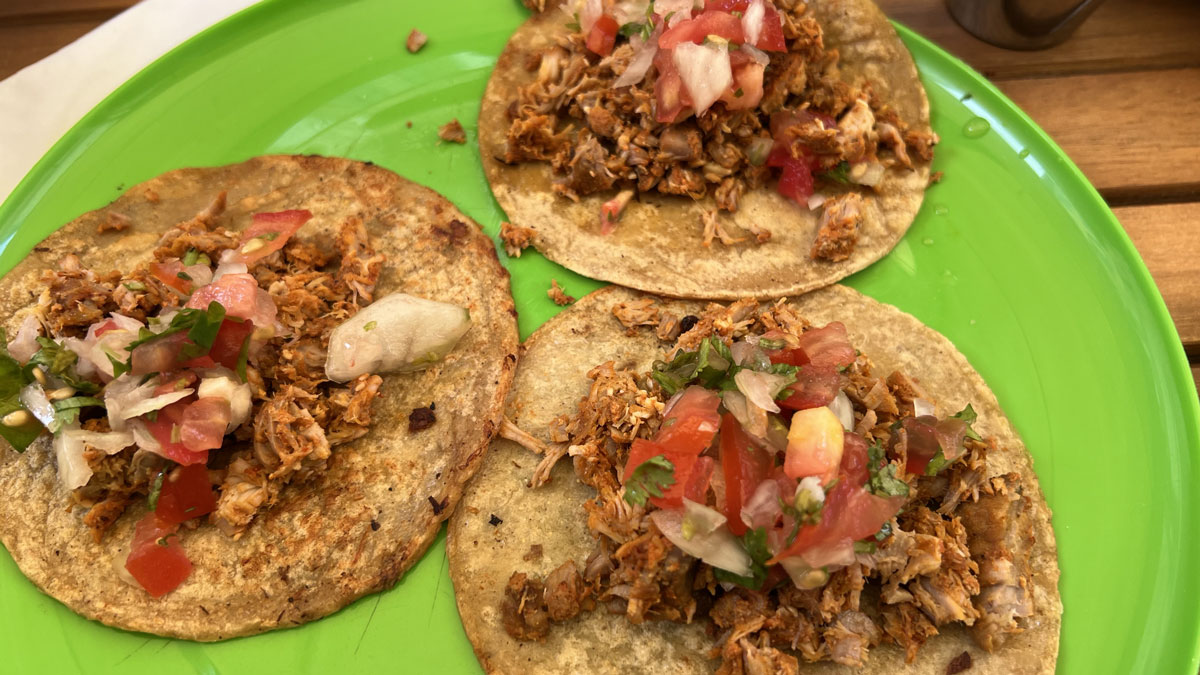
These tacos in Austin, Texas come with black beans, my favorite!
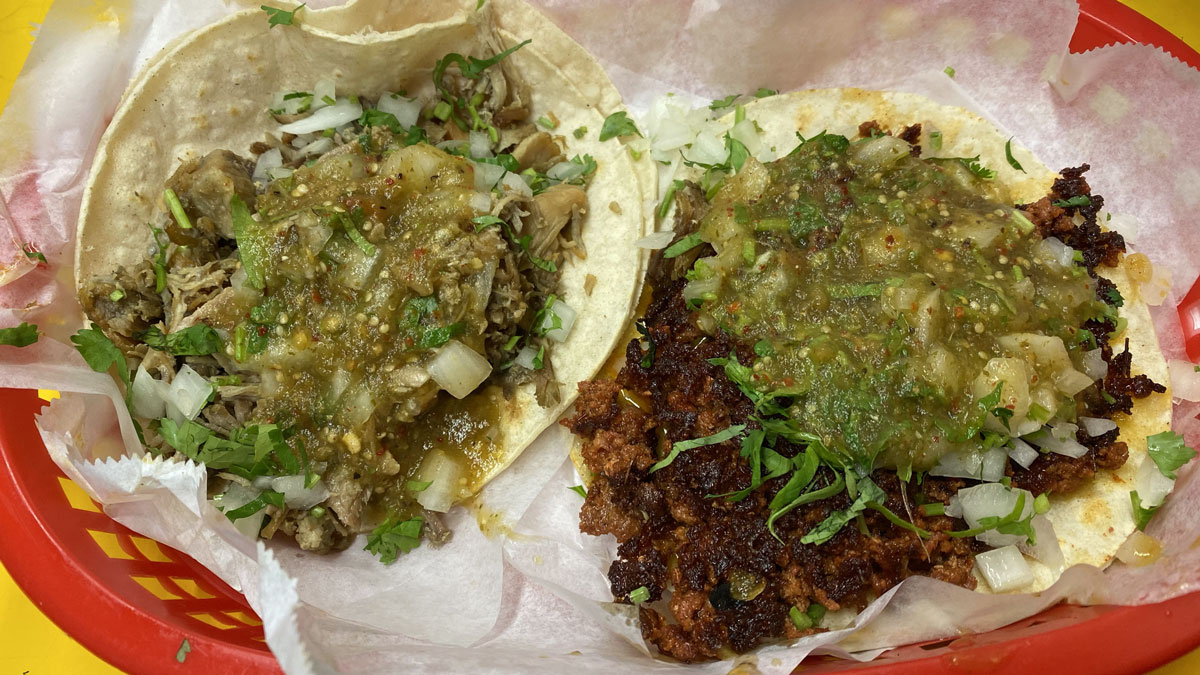
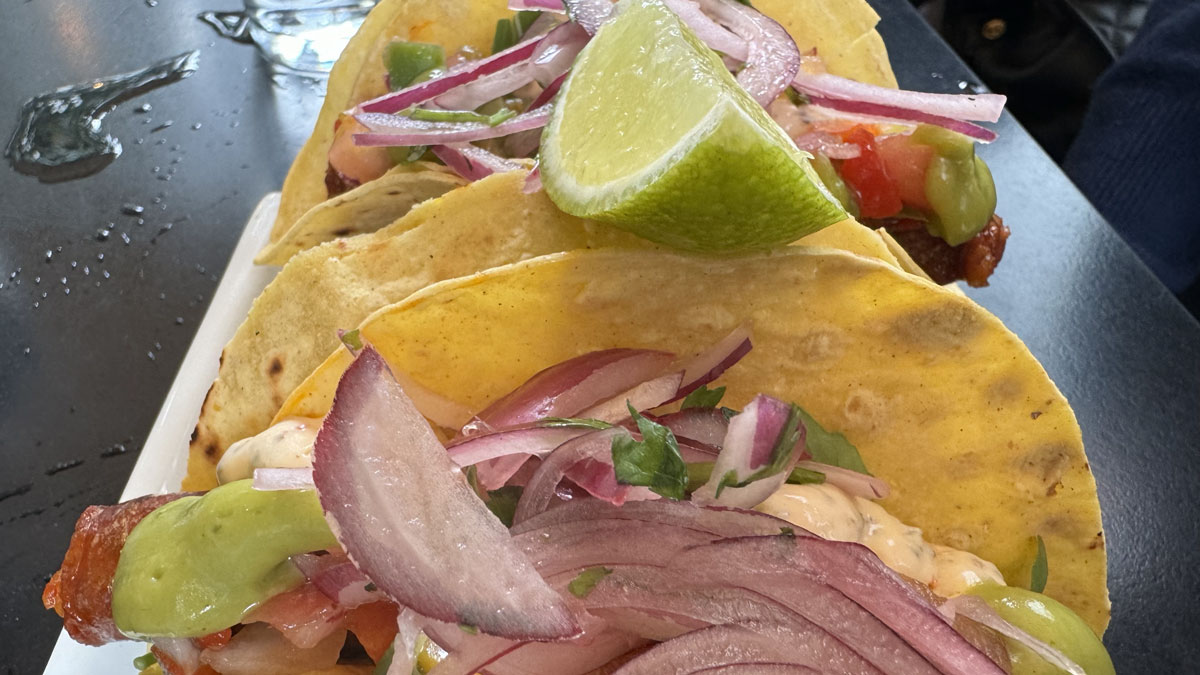
Tacos in my adopted hometown of San Francisco.
The tacos in Bora Bora got a big soggy.
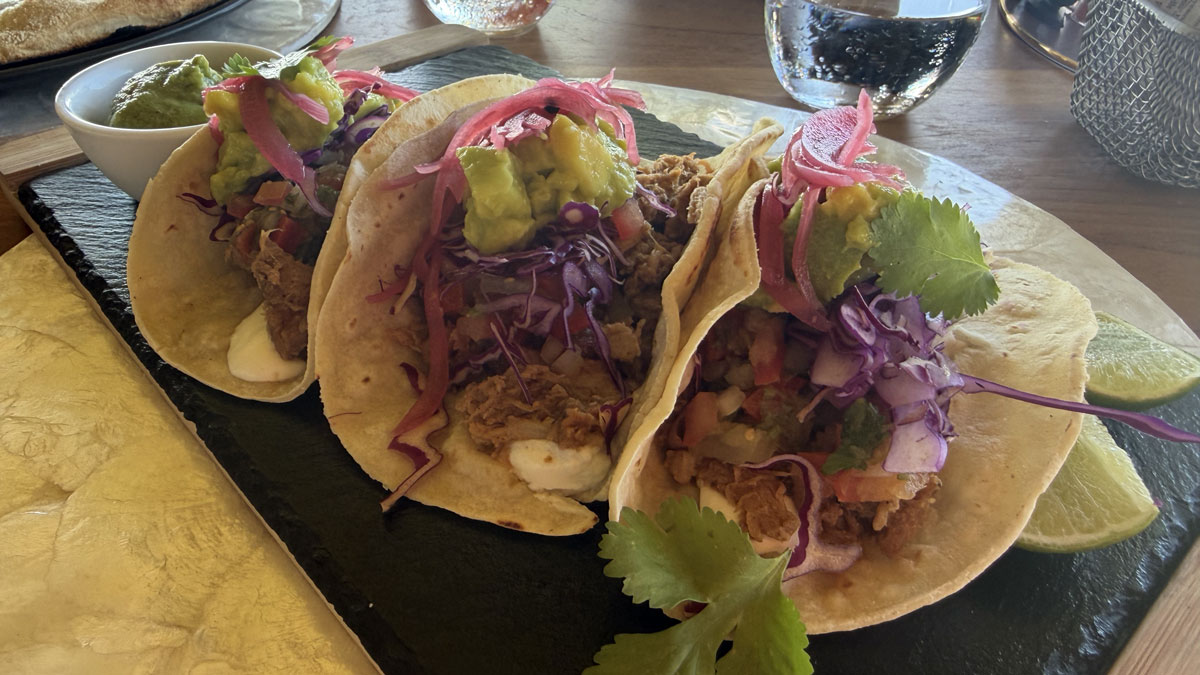
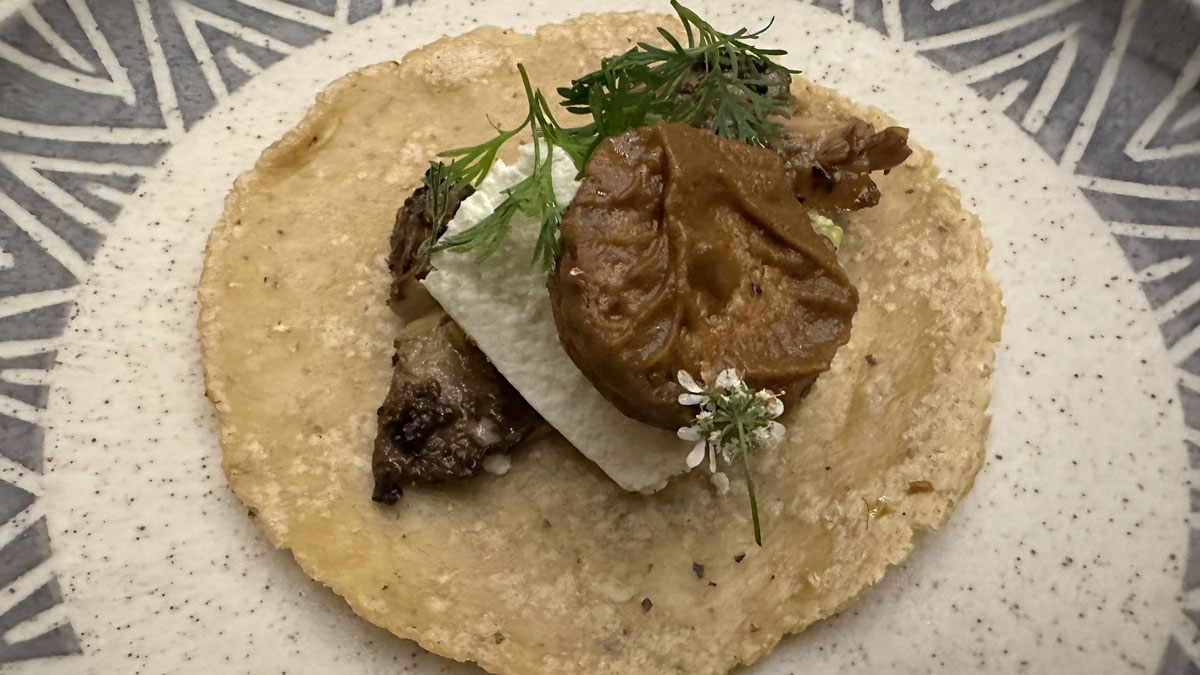
These tacos in Mexico City come from Pujol, one of CDMX’s best restaurants.
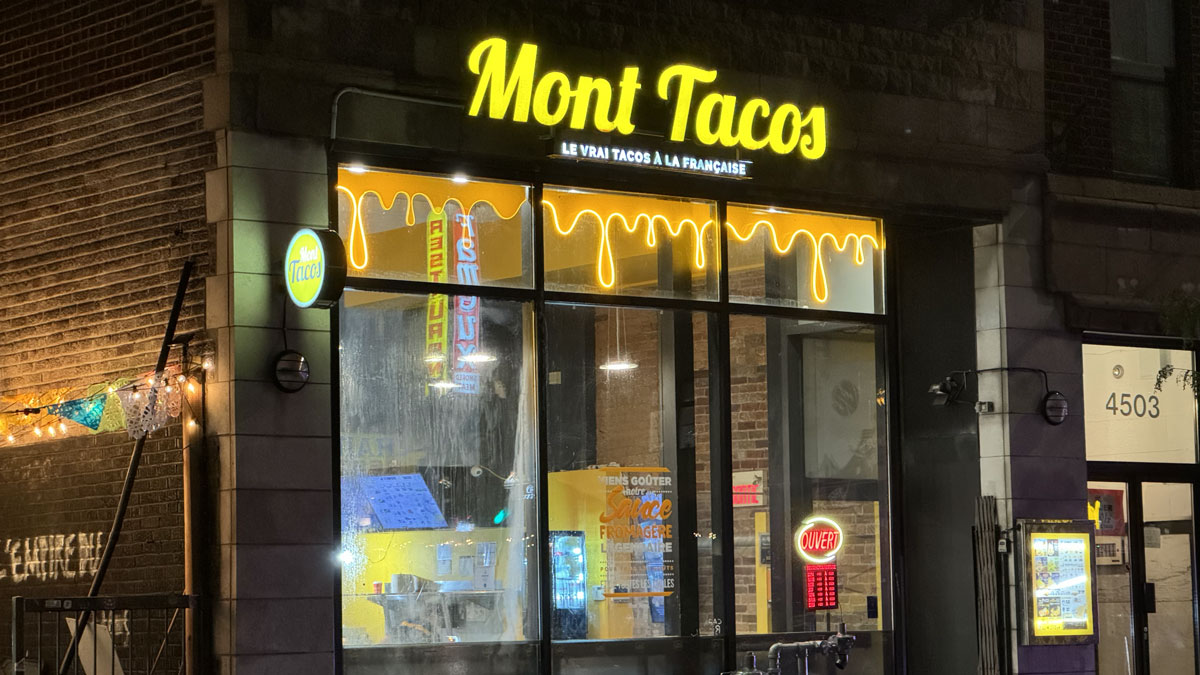
The French interpretation of the taco has fans, as evidenced by this place in Montreal, Canada.
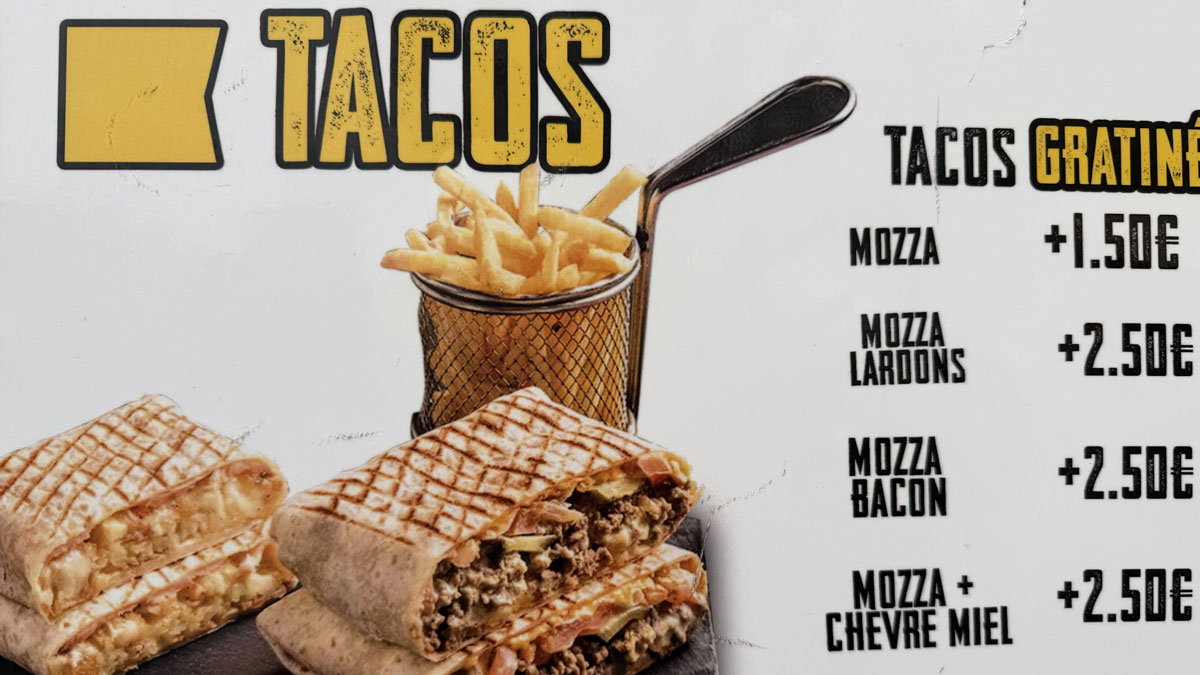
Most of France has an unusual take on tacos as evidenced by this place in Nice.
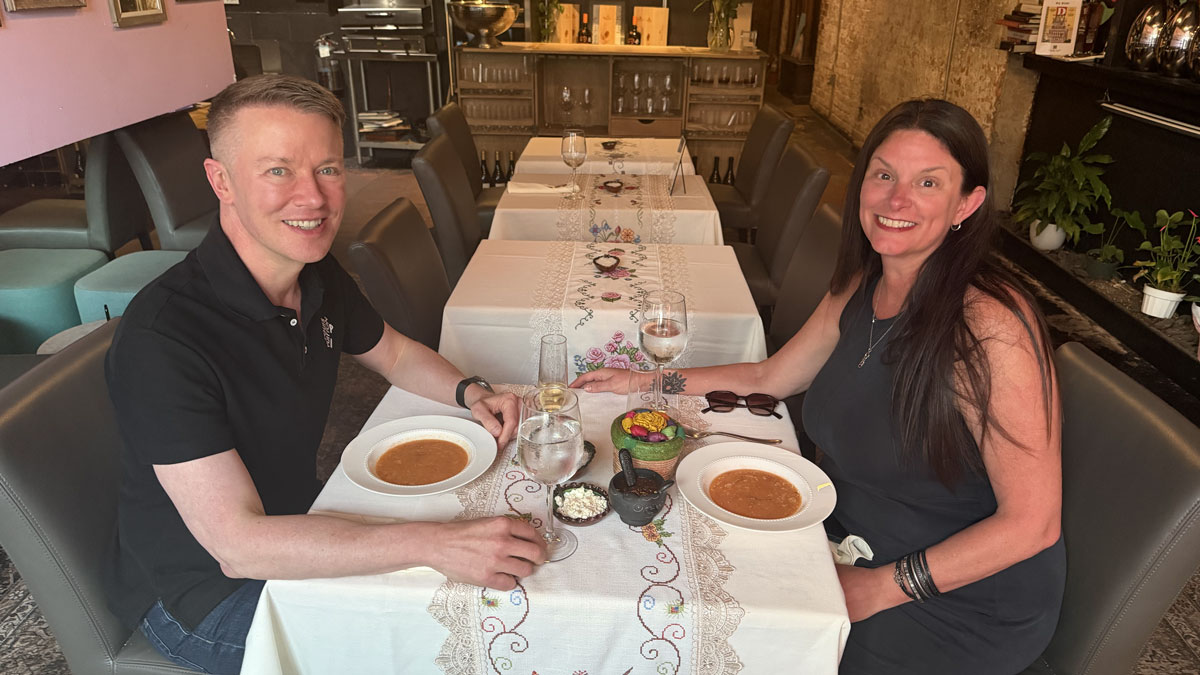
I joined my old classmate Brenda Masse at Purepecha, a place D Magazine calls “the most interesting dinner in Dallas.”
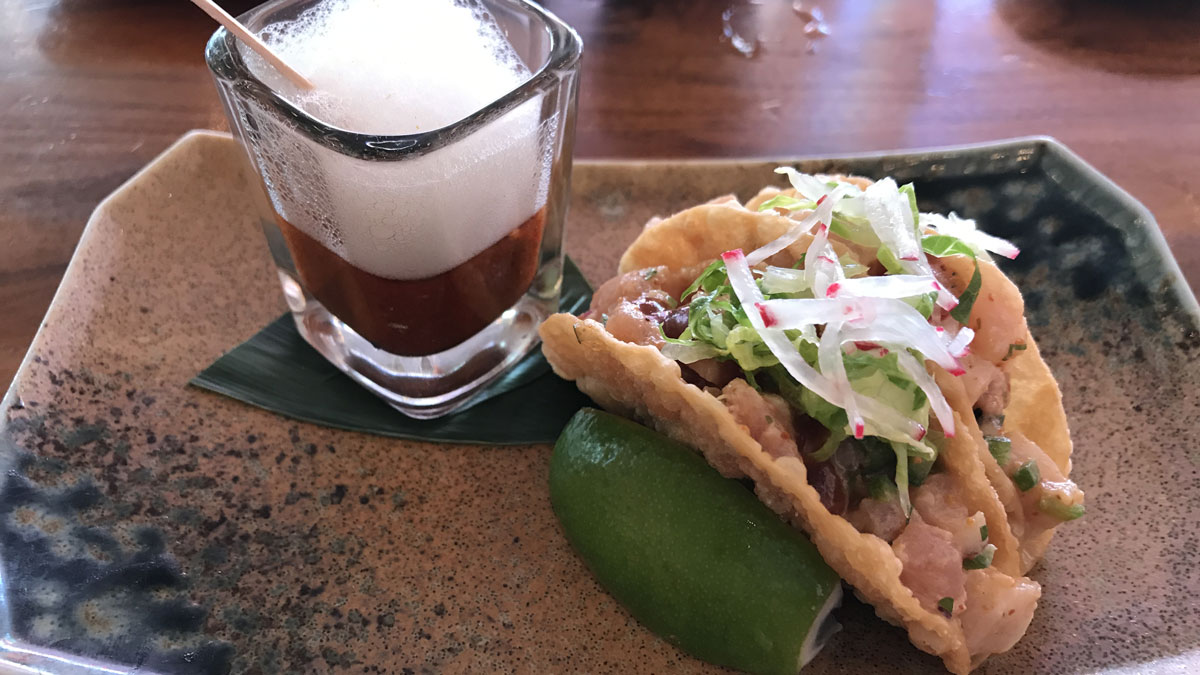
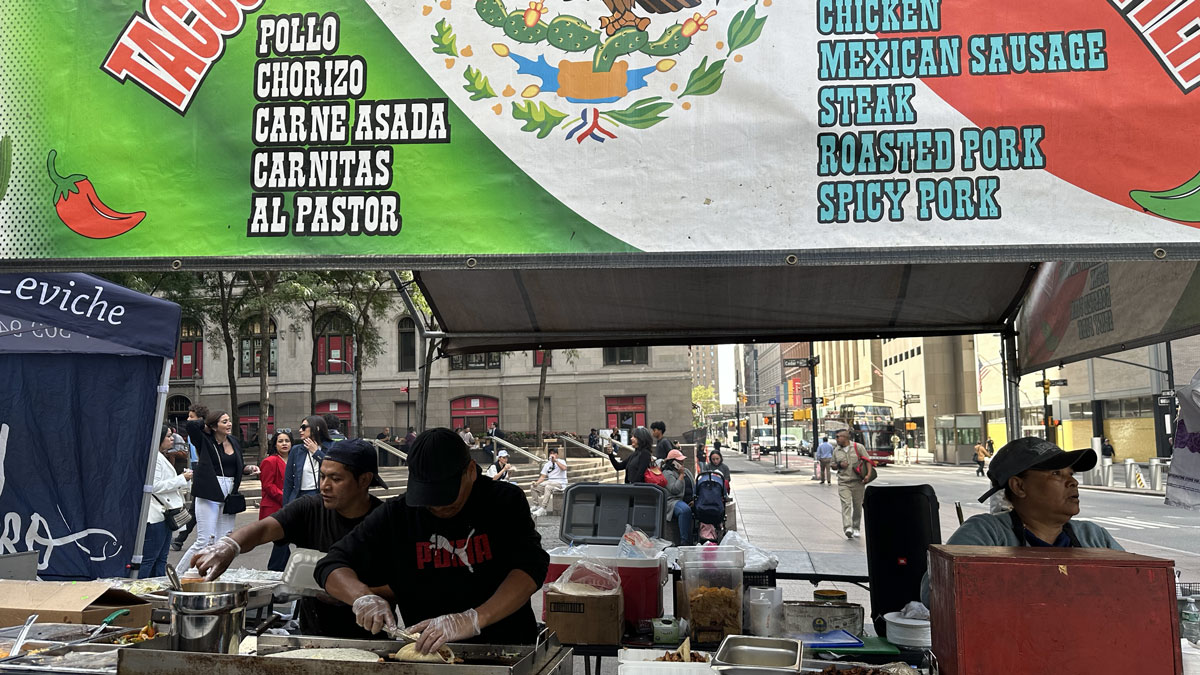
These tacos in New York City had a crispy shell, perfect for bar food.
Taqueria Lupita serves the best tacos in France. You can find them in Cannes.
San Sebastian, Spain is home to the world’s best culinary scenes, and these tacos.
I’ve made the pilgrimage to Pujol in Mexico City, and I’ve also eaten at Californios in San Francisco, which recently became the first Mexican restaurant to earn three Michelin stars. Californios chef Val Cantu trained at Pujol, so you can taste one tradition connecting with the other.
So I looked for Dallas on the list and found… nothing. Austin, Houston and San Antonio each got one restaurant, which is what Detroit got. But Detroit is 1,700 miles from the border. San Diego, which is part of a metropolitan area with Tijuana and invented fish tacos, got shut out entirely.
Calling something “the greatest” invites scrutiny. But this list can’t pass even basic scrutiny, because the math isn’t mathing.
Where was the methodology?
One sentence tries to explain how the list came together: “This list is not an attempt to rank the best Mexican restaurants,” the writers explain. “It is, rather, a mosaic of great places to eat.” A headline calls these the “greatest”. But the story then walks it back. Of course, anyone who knows news knows that headlines have to sell clicks. But this claim stretches credibility beyond belief.
The Times told us little about how the list came together, beyond saying that the writers “visited dozens of Mexican restaurants across the country over the course of a year.” So, visit dozens, but anoint 41? Any pollster who worked that way would be laughed out of the field. The story never lays out its criteria or explains which parts of the country weren’t visited. This is clearly more art than science. In elections, the Times sets up detailed information to justify each data point, with its own methodology explainer page.
I don’t blame the writers. Brett Anderson and Bill Esparza have both won James Beard Awards. Esparza lives in Los Angeles and Anderson in New Orleans, and Anderson spent days in the comments section patiently answering readers from Tucson to Taos. My complaint sits with the institution above them. The assignment originated in Manhattan, the editing happened in Manhattan, and the finished list reads like it was built for a reader who lives there too.
The list versus the census
I compared the Times list against the 10 American cities with the largest Mexican populations, using Census Bureau American Community Survey figures.
Rank
City
Mexican population
Restaurants on the list
1
Los Angeles
1,159,067
Multiple
2
San Antonio
788,758
1
3
Houston
655,138
1
4
Phoenix
596,183
2
5
Chicago
584,045
Multiple
6
El Paso
516,128
0
7
Dallas
437,013
0
8
San Diego
344,658
0
9
New York
330,000
3
10
Fort Worth
270,000
0
Look at the bottom half. El Paso is 76 percent Mexican and didn’t make the list. Dallas, whose Mexican population outnumbers the entire city of New Orleans, where Anderson lives, got skipped.
So did San Diego, even though Michelin picked that city to host the June ceremony where Californios made its three-star history. Between San Diego, El Paso, Dallas, San Diego and Fort Worth, there are about 1.6 million Mexican Americans, which is more than any city on the list outside Los Angeles. And the Times found nothing worth recommending in any of them.
New York, meanwhile, landed three restaurants. The city’s Mexican community is genuine and growing, but it ranks ninth nationally, behind Dallas, and within New York’s own Hispanic population, Puerto Ricans and Dominicans both outnumber Mexicans. The paper found more greatness in its hometown than in four cities with nearly five times the Mexican population combined.
The readers noticed
Readers noticed immediately. One Houstonian wrote, “Um, Texas? Does any state have more Mexican immigrants than Texas?” A Dallas commenter compared the project to “the Houston Chronicle choosing the best bagel shops.”
The El Paso blog El Chuqueño went further, claiming at least 30 of the 41 greatest Mexican restaurants in America can be found in El Paso, and adding that the writers “could have visited dozens of great Mexican restaurants in El Paso in a week, if they were trying.”
Anderson responded to nearly every objection the same way: there was no room for everyone. Fair enough. Then shrink the headline instead of shrinking Texas.
The list they could have built
A defensible version of this project was available. You could draw on the local experts, like Anthony Bordain did on the road, because the food critics at the Dallas Morning News and the San Diego Union-Tribune have spent years eating in these neighborhoods.
Next you could use data from Yelp and OpenTable, where millions of diners have already voted with their reviews and reservations. AI could help a newsroom without threatening it, since compiling local ratings in 50 states is the kind of work that AI now does easily.
The writers’ road trips could then confirm or overturn what the evidence suggested, and the resulting list could defend itself. A year of driving around, on its own, cannot.
Why this matters beyond tacos
The Society of Professional Journalists’ Code of Ethics asks journalists to take responsibility for the accuracy of their work and to clearly label commentary.
A “greatest” list without a methodology is commentary topped by a news headline. When the paper of record does that with a cuisine so bound up in people’s identities, readers in El Paso and Dallas can be forgiven for concluding the Times wrote this list for itself.
Beyond the food fight is a structural tension. The Times wants to be authoritative on a national and international level, both in hard news as well as in other areas like arts, food and culture, while serving a readership historically concentrated in the New York area. This is part of the company’s tremendous and impressive growth in recent years.
Most days the paper balances this well. A “greatest in America” list is where that tension snaps, because a national claim that is shaped to please a hometown audience will always read like a far away New York Times reporter parachuting in to explain the country to itself. It reminds me of the famous New Yorker cover “View of the World from 9th Avenue,” which views the rest of the U.S. as some far off place, much smaller and much less consequential than the world that is Manhattan.
Short of a do-over, the repair is straightforward. You could publish the criteria and the itinerary, or retitle the piece, with something like “41 Mexican Restaurants We Loved.” I’d love to read that story. I might even print it out for my next trip through Texas, where I’d supply the Dallas entries myself.
Curtis Sparrer is a principal of Bospar, president of the San Francisco Press Club, and a board member of the Society of Professional Journalists’ Northern California chapter. Population figures are drawn from U.S. Census Bureau American Community Survey five-year estimates.
Share this post:
About the author
Curtis Sparrer is a principal and co-founder of Bospar PR. He has represented brands like PayPal, Tetris and the alien hunters of the SETI Institute. He has written for Adweek, Entrepreneur, Fast Company, Forbes, the Dallas Morning News, and PRWeek. He is the president of the San Francisco Press Club, a NorCal board member of the Society of Professional Journalists, a member of the Arthur W. Page Society, and a lifetime member of NLGJA: The Association of the LGBTQ+ Journalists. Business Insider has twice listed him as one of the Top Fifty in Tech PR. PRovoke named him to their Innovator 25 list twice. PRWeek named him its most Purposeful Agency Pro.