In years past, NAB was where news broke. Big announcements drove the conversation and press attention was part of the show’s pull.
This year felt different.
Exhibitors weren’t there to generate headlines; they were there to generate business. Booths were not built for the big spectacle in the hopes of attracting media. They were built for demos, conversations and attracting new in-conference buyers and potential customers.
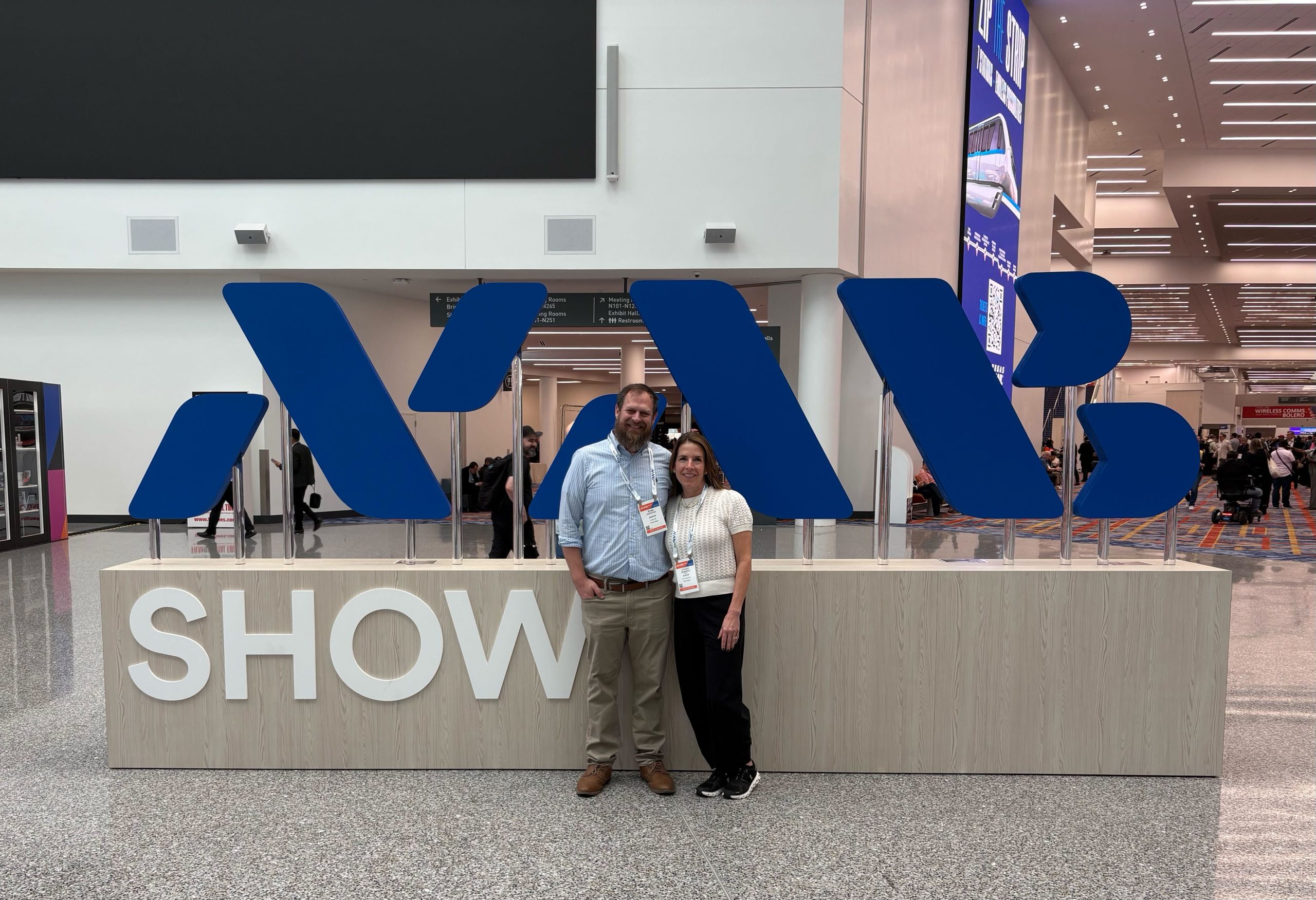
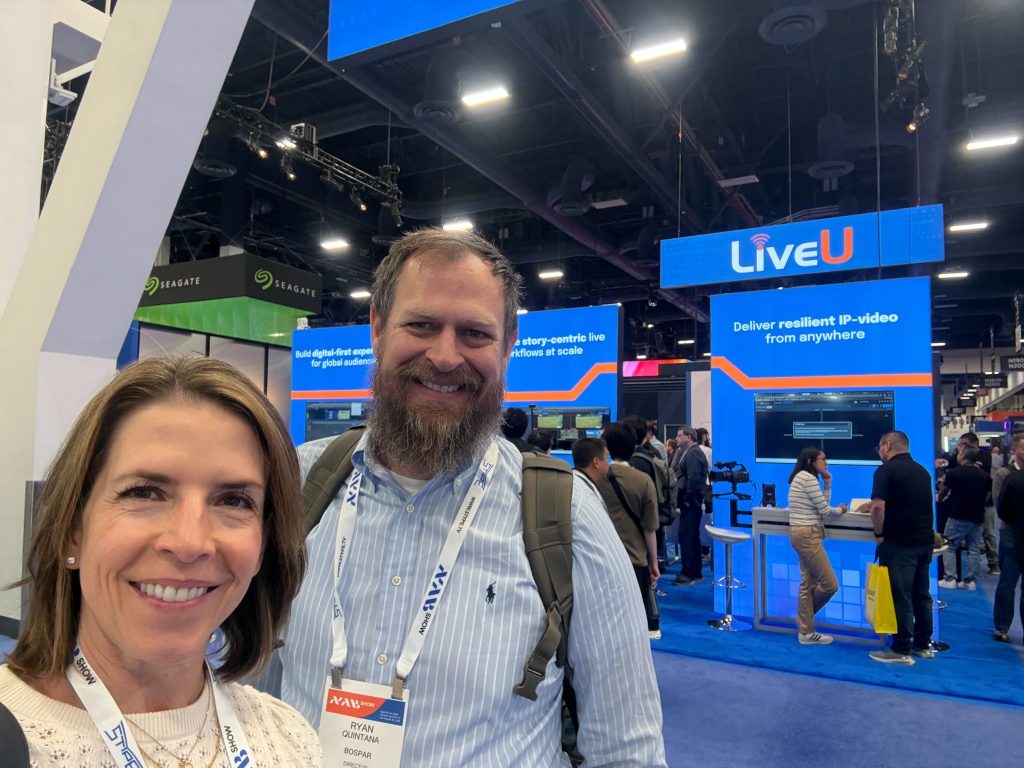
NAB 2026, which took place April 18–22 at the Las Vegas Convention Center, felt less like a traditional trade show and more like a very large, well-attended sales meeting.
AI: From Hype to Execution
Flash is in the past; this year it’s about demonstrating ROI.
The biggest evolution was in how AI showed up. The conversation around AI is no longer aspirational. Last year, companies talked about what AI could do and where it might fit into their product roadmaps. This year, there is less speculation and far more proof. AI is no longer a concept; it’s embedded in real workflows, real products and real customer environments.
Major players like Amazon Web Services (AWS), which had a huge presence at the show, leaned into this shift, showcasing how it’s already being used in production at leading broadcasters.
The companies that stood out weren’t just talking about AI. They were demoing it, live, in ways that made you immediately understand the value.
And that value was mainly about streamlining the process, making for a seamless user experience with few headaches, even when you’re doing it on the fly. Solutions made production faster and easier. What used to take 15 steps now takes three. What used to take two hours now takes 25 minutes. What used to require multiple tools now happens within a single end-to-end platform.
The emphasis is on reducing friction, by helping teams move from capture to production to distribution with fewer steps and less overhead.
This is critical given the vast amount of content now being captured. Across video, audio and data workflows, high-quality content is now easily captured, and there’s too much of it. Similar to what happened with the data tsunamis, storage becomes more complex, archives become harder to navigate and workflows slow down under the weight of it all.
At NAB, companies showed solutions designed to solve this challenge, by rethinking how content is organized, retrieved and repurposed, with an emphasis on speed and accessibility.
The goal is to make existing content more usable for content creators and editors, whether that means pulling archived footage into new productions or enabling teams to work seamlessly across cloud, hybrid or on-prem environments. Increasingly, the most valuable tools are the ones that remove friction to the point of being almost invisible.

The Year of the Partner
Closely tied to the AI shift was the prominence of AI partnerships in media and entertainment industry. If there was one phrase that echoed across the show floor, it was “we’re working with…”
Partnerships were everywhere, and not in a vague, future-looking way. Companies were putting logos front and center and essentially saying: “Remember what we told you last year? It’s live. It’s working.”
AWS is a case in point; it showcased its partnerships and promoted its case studies that show how its agentic AI is benefiting broadcasters.
Even smaller booths featured major enterprise logos, signaling credibility and integration into larger ecosystems. The implication was clear: no one is building in isolation anymore.
The messaging was also clear. It’s not “here’s what we’re building,” but “here’s who’s already using it.”
That’s a meaningful shift. We’ve moved from roadmap to receipts.
The No-so Quiet Divide: Haves vs. Have-Nots
Another theme hard to ignore was the growing divide within the industry. Some companies were clearly thriving, expanding their presence and talking openly about growth and hiring. Others spoke about facing budget cuts and slower customer acquisition.
This points to a deeper reality: the industry isn’t evolving in a unified direction. Companies are experiencing different trajectories and the one you are on depends almost entirely on the decisions your organization made two or three years ago. Organizations that invested early in flexible infrastructure, strong product-market fit and diversified revenue streams are experiencing growth. Those that didn’t are still working to regain footing.
Personalization Gets… Very Personal
We’ve been hearing about personalized content for a few years now, but geolocation and behavioral data are bringing this a whole new level. Instead of broad recommendations, platforms are moving toward real-time, context-aware experiences that deliver content based not just on who a user is, but where they are and what they’re doing.
In some cases, that personalization is becoming extremely granular. It’s extended beyond understanding your click rates to understanding where you consume the videos, whether it’s at home, in the ballpark or in your office during lunch. In the ballpark, for instance, geolocation-based content delivery can track your location to the section and your seat. Let’s say you are in Section 207, you can get a ping alerting you that the food lines are now much shorter than they were 30 minutes ago.
Viewed together, NAB 2026 demonstrated that AI has moved beyond experimentation and is being deployed, partnerships are active and tools are shipping.
It is also hitting home the point that the gap is widening between companies that are ready for the industry’s next evolution and those that aren’t.
The winners are investing in flexible, software-driven infrastructure, building strong partner ecosystems, prioritizing speed and usability and turning innovation into actual customer value.
Everyone else? They’re still trying to get there.