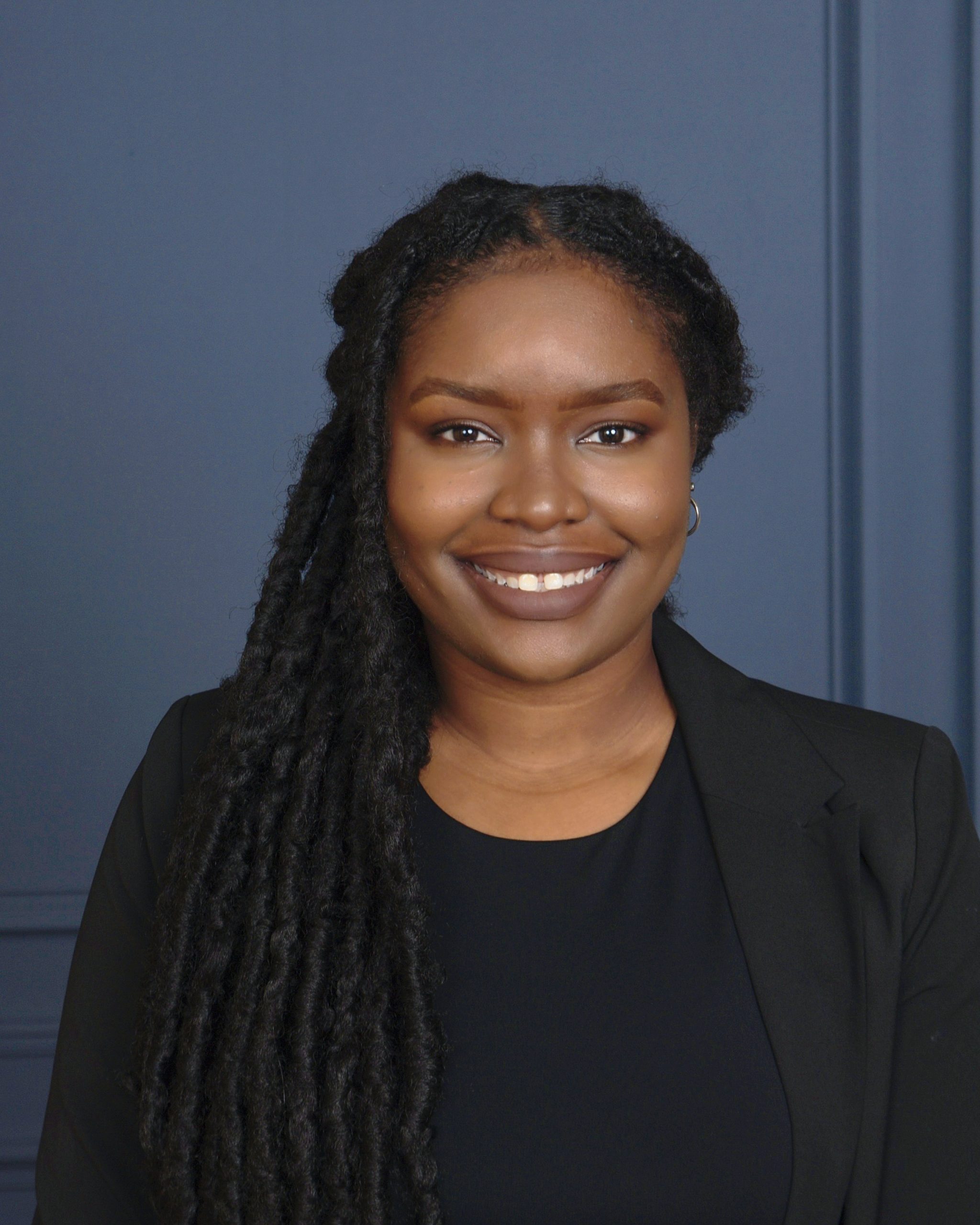
Few people have a clearer view into how AI stories actually get told than Clint Boulton. The AI strategy analyst and content director at Bospar, Clint has spent his career at the intersection of journalism, enterprise tech and storytelling, shaping narratives for brands like Dell Technologies and Salesforce, and previously reporting for The Wall Street Journal’s CIO Journal team and CIO.com.
In this Expert Insights interview, Clint breaks down how he evaluates AI stories, where companies go wrong with media and why the future of AI storytelling is less about products and more about the real-world impact on how we work and live.
As a former reporter, what made you stop and pay attention to an AI company or story? And what do you think are the best ways to think about AI stories when you create content today?
I pay attention to AI stories that align with broader themes already emerging in the news, like around agentic AI and the future of work. I’m less drawn to purely business or numbers-driven angles and more interested in the real-world implications for how people work.
When developing my story ideas around these themes, I like to source perspectives from IT leaders, consultancies and research firms.
One example of this is the Citrini report, which theorized, in part, that if agents take over software seats, then why do enterprises have to pay for per-seat licensing? This made me think, “How will this change how people interact with software?” If agents are doing these tasks, humans have to interact with those agents.
To inform my narrative, I reached out to various IT leaders on LinkedIn to get their thoughts on my question and the Citrini research and learn how they were approaching things. My efforts culminated in this CIO.com article.
What are the most common mistakes you see AI companies make when trying to get media attention?
One of the biggest mistakes AI companies make is assuming that just because something is in the news, it’s inherently relevant. If a pitch makes a reporter stop and ask, “What does this have to do with what I’m covering?” it’s likely to get ignored.
Another common issue is failing to stand out from the noise. If there isn’t a clear line or compelling narrative in the story they’re telling media, then it’s difficult to get media attention.
Many companies also miss the opportunity to tie their story to a broader trend or timely hook. This is why newsjacking is so important. Because more often than not, what a reporter writes has a connection to something that happened in the news. Let’s say there’s an AI client that claims to solve the “black box” problem, the inability for us to see how deep learning systems make their decisions. A PR pro could link to this recent New York Times article on the AI explainability problem in their pitch with the client’s unique and contrarian perspective on solving said problem.
Failing to connect stories to larger themes coming out of research firms like Deloitte or McKinsey is also a missed opportunity. The strongest pitches give reporters something they can plug into an existing narrative.
AI is everywhere. What separates companies that get consistent coverage from those that don’t?
The ones we see get the most attention are frontier model companies like OpenAI or Anthropic, which have permanently planted themselves in the newscycle.
For AI companies that aren’t the major frontier players, tapping into a high-visibility narrative is critical to earning consistent coverage. Beyond their technology, OpenAI and Anthropic, in particular, stay in the spotlight because they’re often at the center of polarizing conversations.
AI companies have the opportunity to plug into those same narratives, whether through integrations or a strong point of view, while being mindful of the reputational dynamics that come with them. This means asking, “Are we comfortable publicly tying ourselves to this company?”
Breakthroughs in AI agents will also likely get AI companies’ attention right now. The companies that can show their sophistication with agentic AI, like what Anthropic did with Mythos, will stand out above the noise.
What kind of evidence or validation makes an AI story believable today?
A believable AI story is one that’s consistent with what I see in research. If it sources or pegs itself to what consultants and academics say, it lends an air of authenticity and brand credibility.
Its backing is also a tell. Which VCs are funding it? Is it Sequoia Capital or Andreessen Horowitz? Are academic institutions like Carnegie Mellon University and Wharton School talking about it or involved with it somehow? For example, some startups incubate within venerable universities before launching to the public. That kind of brain trust lends brand credibility. Backing from established entities makes it easier to get written about and have claims verified.
There’s growing skepticism around AI claims. How has that changed what reporters look for?
AI skepticism has reduced the available footprint for media attention. Two years ago, there was greater acceptance of anything AI. Now, there are more reporters saying they’ve seen multiple versions of the same AI solutions. It’s harder to separate from the noise that’s out there.
That’s what makes validation from VCs, academic institutions and analysts even more important. They act as a brand credibility signal to reporters on a company’s AI claims.
How do you see storytelling in AI evolving over the next year?
AI storytelling will continue to shift toward more thought leadership and away from product-led narratives. Instead of focusing on what a tool does, the most compelling stories will explore broader themes, like the impact of technologies like agentic AI on how we work and live. Those bigger-picture narratives offer a more powerful way to tell stories and create content.