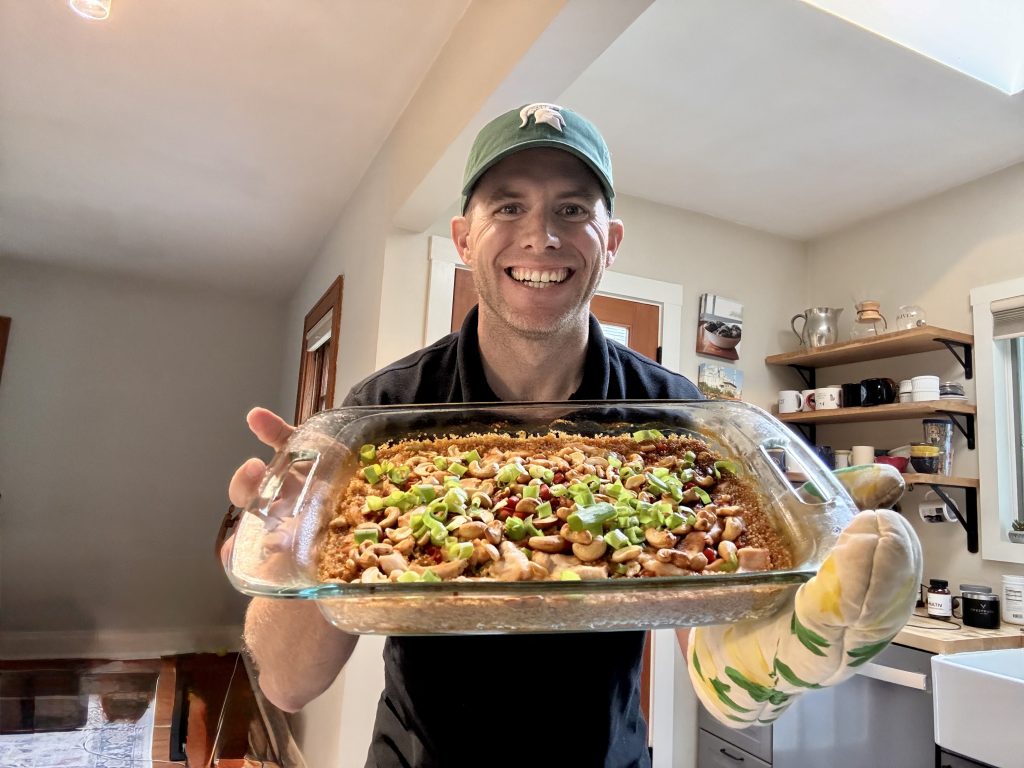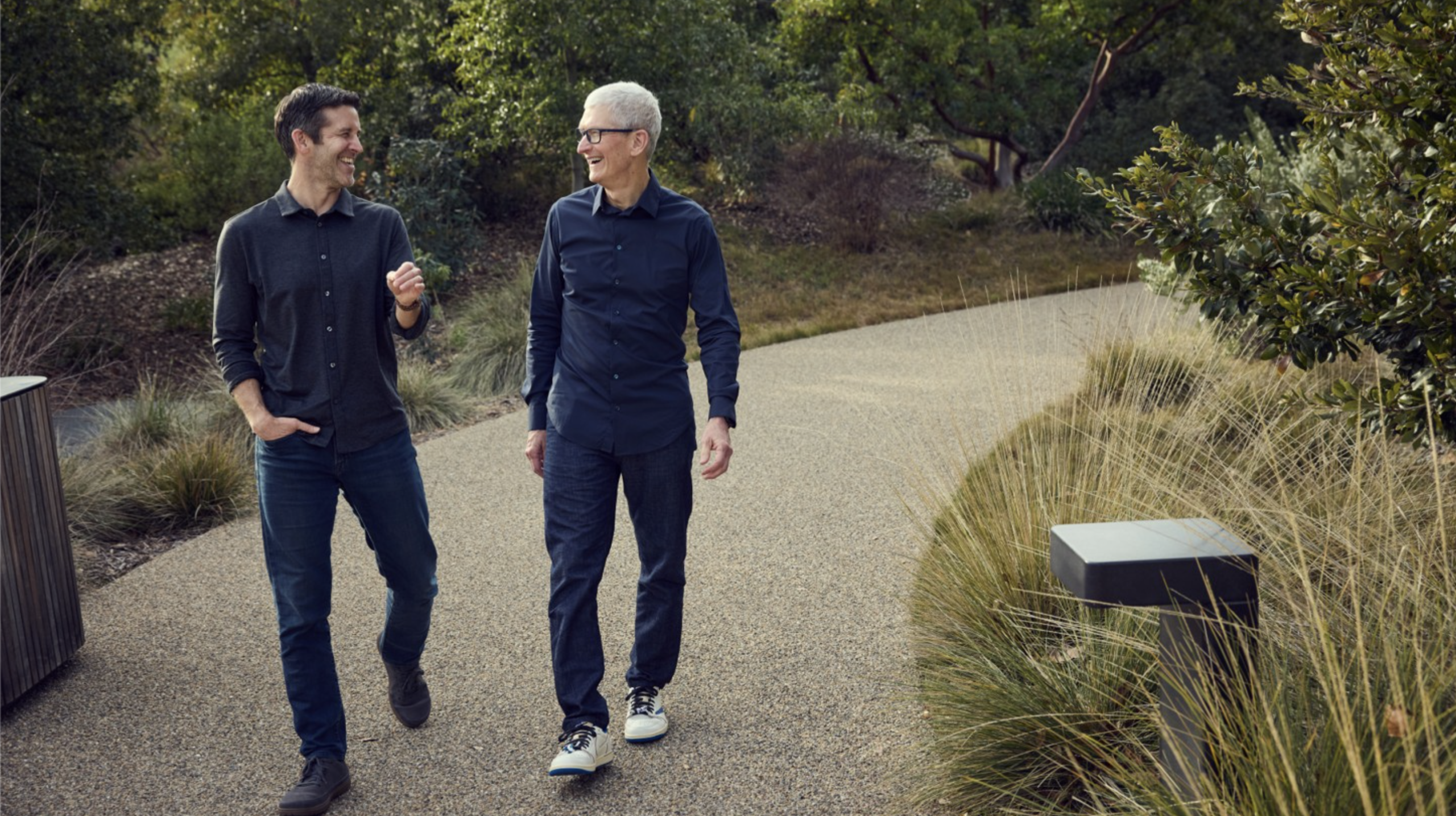
Today Apple officially confirmed that Tim Cook will become executive chairman and hardware engineering chief John Ternus will become CEO, effective September 1, 2026.
The announcement closed a succession story that had been building for years.
Reporters did not all get it right. Some had the story nailed years in advance. Others chased the wrong names, the wrong timing and, in some cases, the wrong story entirely.
And Apple’s own communications team did something the PR industry should study closely: They denied the transition was coming right up until the moment they announced it.
Who Got the Story Right
Bloomberg’s Mark Gurman stands as the clearest winner. He first identified Ternus as the likely heir apparent in 2024, sustained that reporting through every round of corporate denial and called the outcome with near-total accuracy, including Cook’s transition to executive chairman.
The Financial Times also earned partial credit. It November 2025 report named Ternus as the frontrunner and identified 2026 as the transition year. The publication overreached on the specific window, claiming an announcement would come between January and June 2026, which Gurman knocked down. But it got the big picture right: the right person, the right year.
Scorecard
Bloomberg / Mark Gurman: GOT IT RIGHT
Gurman named Ternus in 2024. He called Cook’s transition to executive chairman. He correctly pushed back on the FT’s premature timing. Bloomberg produced the most sustained and accurate reporting of the entire succession story.
Bloomberg: Apple names John Ternus as next CEO (April 20, 2026)
Bloomberg: Ternus profile (March 2026)
Bloomberg: Ternus takes over design team (January 22, 2026)
Financial Times: RIGHT PERSON, RIGHT YEAR. WRONG WINDOW.
The FT named Ternus as frontrunner and identified 2026 as the transition year. It overreached on timing, reporting a January to June departure that Gurman called “simply false.” The Sept. 1 proved them partially correct.
FT report via Fortune: Apple succession planning steps up (November 15, 2025)
AppleInsider: OVERCORRECTED. Predicted 2029.
AppleInsider used Gurman’s pushback on the FT to go further than Gurman intended, speculating Cook would stay through the Trump presidency ending January 2029. That prediction missed by nearly three years.
AppleInsider: Tim Cook isn’t retiring in 2026 (November 24, 2025)
Tim Cook / Apple Communications: PUBLICLY DENIED WHAT WAS ALREADY DECIDED.
On Good Morning America in March 2026, Cook told the interviewer “I didn’t say that. That’s a rumor” when asked about retirement. Apple made the formal announcement six weeks later.
TechSpot: Tim Cook shuts down retirement speculation (March 18, 2026)
The Timeline
2024
Bloomberg’s Mark Gurman first names Ternus as the leading internal candidate, making Bloomberg the first outlet to do so publicly.
September 2025
Bloomberg builds the case further, reporting that Apple’s PR teams are actively putting Ternus in the spotlight and predicting Cook will likely transition to executive chairman.
November 14, 2025
The Financial Times reports that Apple is intensifying succession planning, putting Cook’s departure between January and June 2026. The FT names Ternus as frontrunner.
November 23, 2025
In his Power On newsletter, Gurman directly refutes the FT’s specific timing, writing he would be “shocked” if Cook steps down in that window. He calls the report “simply false” and notes Apple did not seed it.
November 24, 2025
AppleInsider goes further than Gurman by predicting Cook will remain CEO until at least 2029, citing his role managing the Trump administration relationship.
January 22, 2026
Gurman reports that Cook has quietly given Ternus oversight of Apple’s design teams, widening his portfolio and cementing his status as CEO-apparent.
March 17, 2026
Tim Cook on Good Morning America: “I didn’t say that. That’s a rumor.” Apple makes the official announcement six weeks later.
March 23, 2026
Gurman publishes a deep profile of Ternus that describes him as the overwhelming internal consensus pick.
April 20, 2026
Apple via Business Wire: The official press release names Ternus as CEO and Cook as executive chairman, effective September 1, 2026. Bloomberg, CNBC and 9to5Mac publish within minutes.
The Wrong Names: Who Outlets Floated and Why It Did Not Hold Up
Beyond the timing errors, outlets caused more substantive confusion by giving serious weight to executives who were never realistic contenders or who exited before the question formally resolved. Multiple outlets named these executives as genuine candidates:
- Jeff Williams, Former COO. Outlets cited Williams as the most likely alternative to Ternus for years. He held the same COO role Cook held before becoming CEO. Williams retired from Apple in 2025, removing himself from contention entirely.
- Craig Federighi, SVP Software Engineering. Outlets cited Federighi for his public charisma and software depth. Internal reporting showed he prefers technical problem-solving over broader executive responsibility and that he opposed major bets including Vision Pro.
- Greg Joswiak, SVP Worldwide Marketing. A 30-year Apple veteran with deep institutional knowledge. His marketing background and age worked against him in a succession that ultimately went to a hardware engineer.
- Sabih Khan, COO. Khan stepped into the COO role after Williams departed and briefly attracted attention because his path mirrored Cook’s. Most reporting correctly placed him as a longer-shot candidate.
- Eddy Cue, SVP Services. Outlets mentioned Cue occasionally given the scale of Apple’s services business. Tier-1 media outlets never treated him as a primary contender.
What Apple’s Communications Strategy Tells Us About PR
The most instructive part of this story is not what journalists got right or wrong. Rather, it is what Apple’s communications apparatus chose to do, and what the gap between Apple’s words and Apple’s actions reveals about how large companies manage sensitive transitions.
For 18 months before today’s announcement, Apple quietly and systematically prepared Ternus for the role. It gave him oversight of the design team in late 2025. It placed him front and center at the MacBook Neo launch in New York. It booked him on Good Morning America to promote new products, a role Cook had traditionally handled himself. Bloomberg reported that Apple’s PR team was actively and deliberately elevating Ternus in the public eye.
At the same time, Cook publicly denied any retirement plans in nearly every interview that touched the subject. This is a textbook example of the distinction between a company’s messaging and its signal. The message was denial. The signal was the steady, methodical elevation of a successor in plain sight.
PR Lesson 1: Denial is not the same as absence
When a CEO publicly denies succession planning, communications professionals need to read that denial in context. Cook’s denials were technically accurate: Apple had made no formal announcement. But the organizational moves Apple made simultaneously told a completely different story. Companies create narratives through actions, independent of their statements. Journalists with good sources will report the actions.
PR Lesson 2: Source quality determines who gets it right
Every outlet had access to Cook’s public comments. Only Bloomberg had the internal sourcing to report what Apple was actually doing. The FT had partial sourcing, enough to get the person and year right but not the window. AppleInsider had no sourcing and overcorrected off Gurman’s pushback, publishing a prediction that missed by years. Once a credible reporter builds good sources, strategic denials buy time. They do not change the story.
PR Lesson 3: Actions communicate before announcements do
Apple timed today’s press release to minimize market disruption and reassert control of the narrative. But the most sophisticated observers already knew by the time it arrived. Bloomberg’s reporting had done the substantive communications work over the prior 18 months: It framed what Ternus represents, why this transition signals strength and what kind of CEO he will be. Apple did not manage this narrative. Bloomberg did.