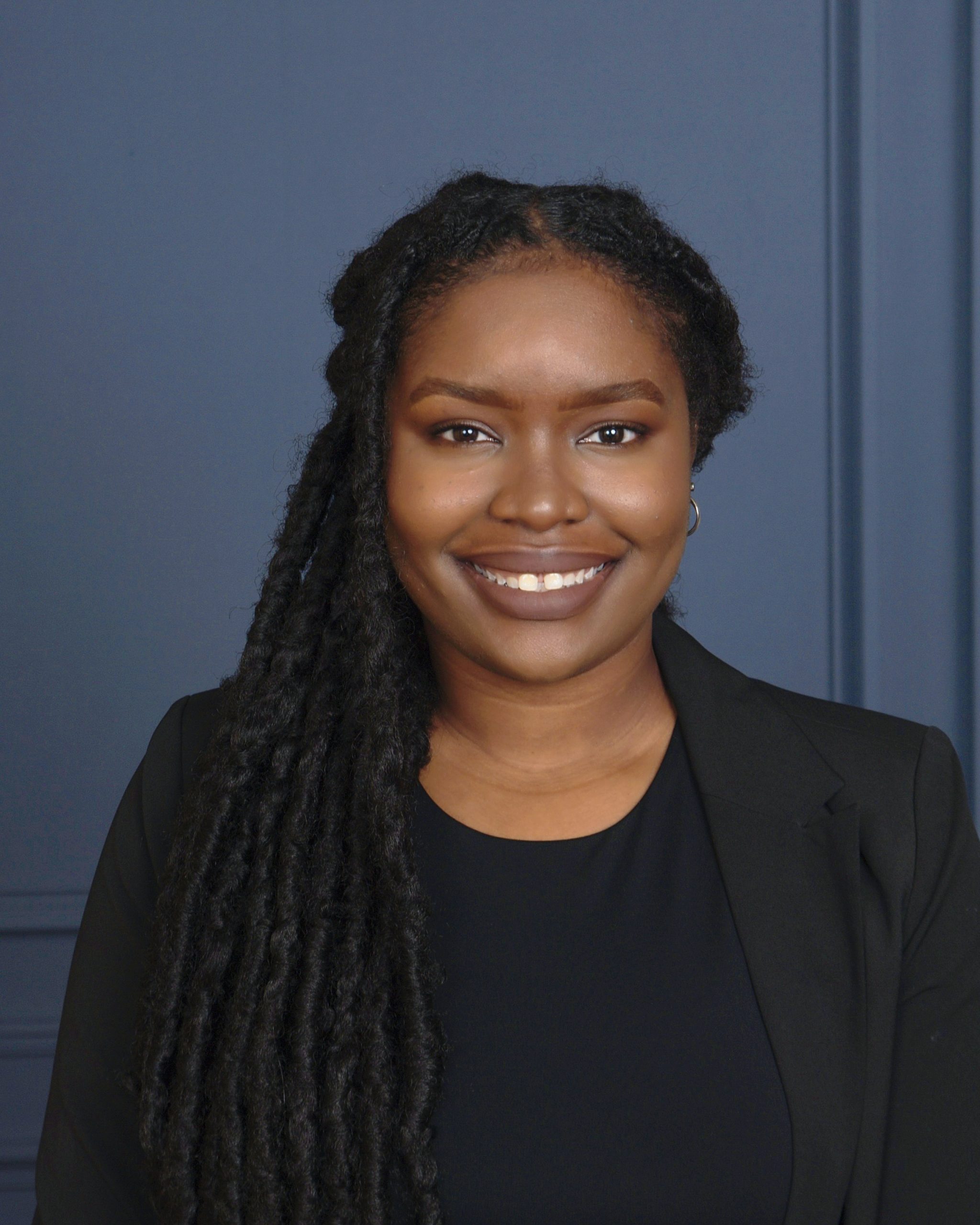
What’s the difference between a brand that gets scrolled past from one that sparks conversation? Speed, substance and sounding human, according to Skyler Levy, a senior account executive for Bospar’s social media services effort.
Skyler leads social strategy, turning complex narratives into high-impact social media content that resonates across platforms. She works across PR and marketing teams to build integrated programs that elevate executive voices, strengthen brand credibility and drive measurable engagement.
In this Expert Insights interview, Skyler breaks down the power of authenticity in social presence, how to build a social media strategy that keeps pace with culture and why community, not only content, is the real growth engine.
What are the most important social platforms for brands to be on right now? How does it vary based on industry?
Wherever a company’s audience is.
That varies based on the industry and who brands are trying to reach.
If they’re a consumer brand and want to be in front of potential customers, they need to be on Instagram, TikTok and Snapchat. But if they’re a tech company, they should be on LinkedIn, communicating with the people who will buy their products.
Even though X isn’t as popular as it once was, tech companies should still have a presence on this social media platform for visibility and to talk with journalists there. Reddit is also emerging as a platform brands need to be on to converse with the people buying a brand’s product.
What does a strong social media strategy look like in 2026?
A strong social media strategy in 2026 depends on knowing a brand’s audience and how to communicate with that audience, and its executives being involved in the conversation. People want to hear from people, not just the brand, so having executives who are willing and ready to be part of the conversation is helpful to any strategy. This creates another avenue of promotion and enhances brand credibility.
Another aspect of a strong strategy is community management. This involves brands sharing knowledge, tips and tricks that their audience will react to. Then, it’s engaging with a brand’s community and replying to comments.
From a social user’s perspective, it’s always exciting to view a TikTok comment section and see that a famous brand responded. You feel seen and recognized. Embedding community management in a social media strategy works wonders for brand awareness.
How often should brands reevaluate their social media strategy as algorithms and trends evolve?
A quarterly check-in is important. It’s not fully reevaluating and restructuring the strategy, but doing a temperature check over the last quarter. It’s answering questions like, “Are there any major trends that we missed that we want to make sure we get on in the future?”
We dive deep into reevaluating KPIs, looking back at the social content produced throughout the year. We see what worked, what didn’t and what the missed opportunities were.
If a brand wanted to jump on a certain trend but missed it, it’s important to analyze how to better prepare to move on future trends and know what caused it to miss earlier trends.
A brand’s biggest obstacle can sometimes be itself when it tries to workshop its content to make sure it’s perfect. Sometimes, the best content is spur-of-the-moment.
How does the management strategy differ between social platforms?
The best results on Instagram and TikTok come from being really quick and keeping an eye on conversations and trending content.
You have to know what’s trending, what people are talking about, what brands in your field – and even those outside your field – are doing. We work with a lot of tech companies, but sometimes there are opportunities to see what consumer brands are doing and learn from and leverage those approaches for B2B tech companies.
On LinkedIn, we can plan content out a bit more post by post vs. Instagram or TikTok where a lot of posts are centered around campaigns or overarching themes. On LinkedIn, which leans more professional, brands post more thought leadership content, like blogs, case studies and testimonials. But this expectation is shifting as younger generations enter the platform and bring the energy they have on Instagram and TikTok, which lean more casual and laid back.
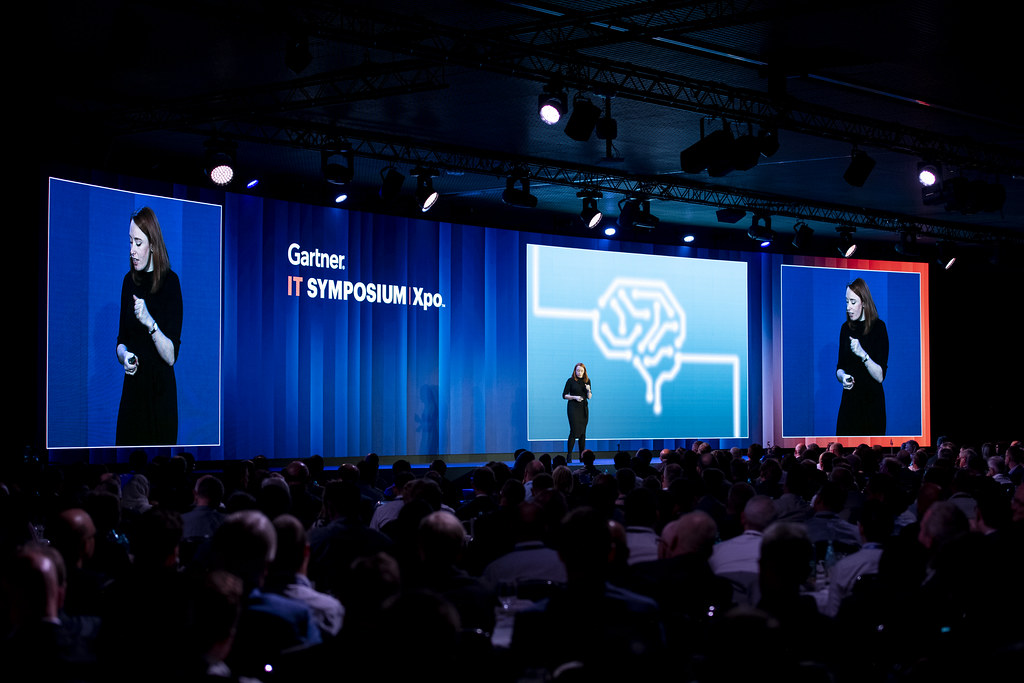
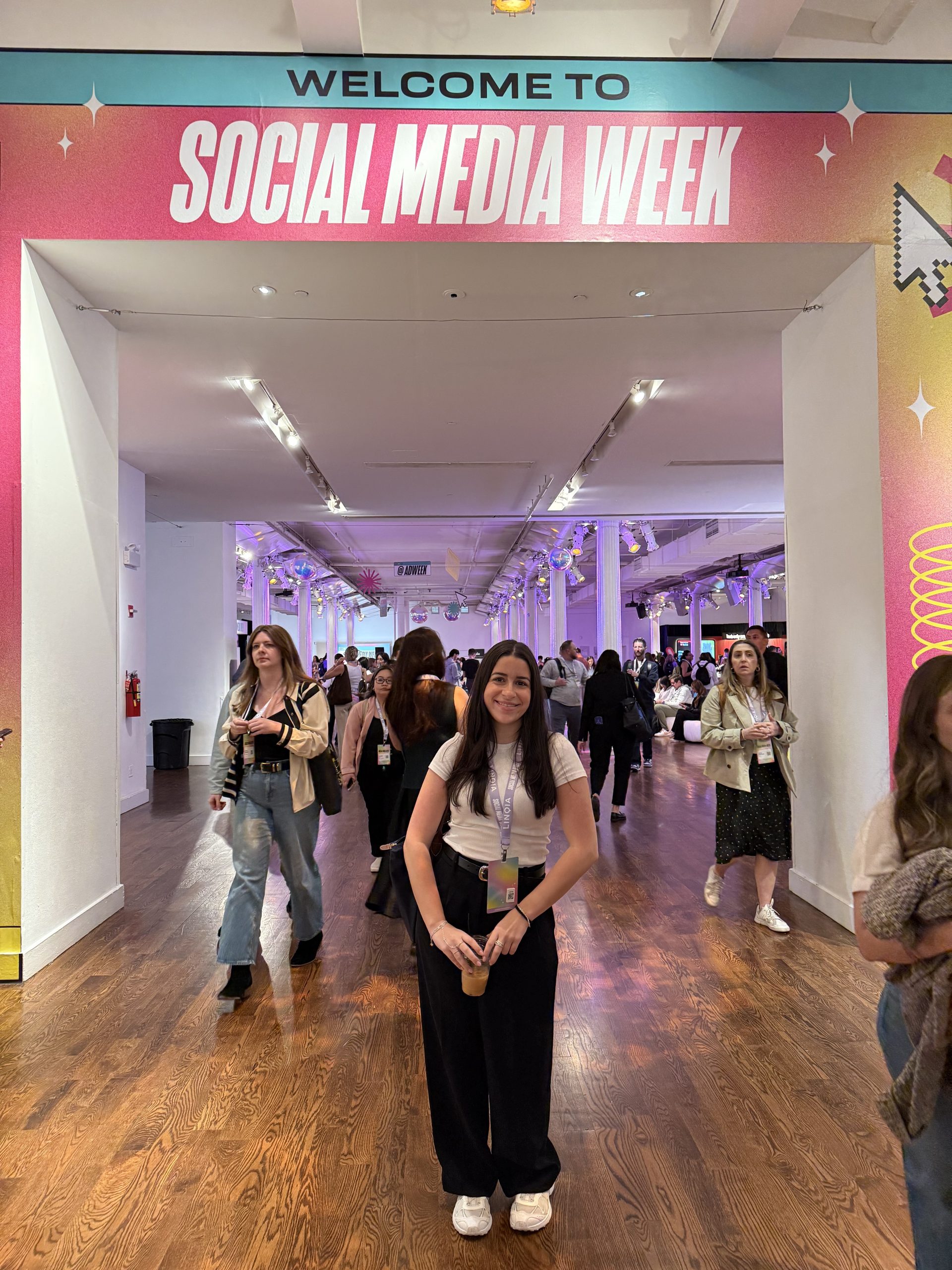
One idea we implemented after attending Social Media Week relates to replying back to comments. We set up a LinkedIn comment bank for a launch by a client, which had pre-approved guardrails on what we could and couldn’t do with comments. It helped us respond quickly and hop on trends.
With community platforms where people talk to people (e.g. Reddit, Substack), brands that lock themselves in with pre-thought-out comments and solely stick to their guidelines won’t perform as well as those that are more flexible. Those platforms require users to be as authentic as possible. It’s best for a brand’s exec to have their own account and interact with users, rather than the brand itself sharing on social. An exec can show their personality, share the moments no one gets to see or relay their personal takeaways from an event. This makes community interactions more human and authentic because it’s a person, not a corporation.
What are some best practices for managing social platforms like LinkedIn, Instagram, TikTok, Substack, Reddit and X?
Know when less is more. Allow people to learn more. Remember you don’t need to share it all in one post. Give people just enough to bring them over to your site. Once they’re there, they’ll explore. That’s more than they would’ve done had all the info been on the brand’s social page.
Being more intentional about sharing content is also important. If you don’t have something to post, don’t force it. Make sure what you’re sharing is meaningful and has a purpose. Don’t try to fill a quota. If you don’t post one day because you didn’t have anything to share, that’s okay.
What social channel that you managed are you most proud of? What made it successful?
I’m most proud of managing RealSense’s social channels. When the company spun out of Intel, we essentially had to start from scratch on social media. But we ended up gaining over 1,240 followers and 6,900 page views on LinkedIn three days after its launch.
Another is a doctor’s Instagram account that’s doing powerful activism. It’s different from what I typically manage, but it allows me to think outside the box and really be creative.