How Bospar Turned CES “Non-News” Into Category-Defining Coverage
RealSense is a category-defining leader in computer vision and depth-sensing technology that powers 80% of humanoid robots and 60% of autonomous mobile robots worldwide. Its technology serves as the “eyes” of intelligent machines, enabling robots to perceive, navigate and operate safely in real-world environments.
Bospar’s earlier public relations initiatives had helped the client’s launch as an independent company from Intel earn massive coverage and renewed credibility among media and stakeholders within the robotics community.
With CES 2026 set to begin, another challenge loomed: how to remain visible and influential during the most crowded tech news cycle of the year without the traditional tools companies rely on to win attention.
That’s where Bospar, renowned for its B2B tech PR acumen, came in.
Challenge
Media attention at CES tends to flow to flashy booths, product-launch demos or intriguing keynotes.
The client had none of those. There wasn’t a new product announcement, exhibit hall booth or keynote slot.
What it did have was genuine expertise and influence. Across the show floor, examples of its perception technology in action were on display at customers’ booths.
However, without a deliberate strategy to draw attention, that influence would be largely invisible to the press.
Compounding the challenge, the CES 2026 exhibition and conference sessions opened on Jan. 6. But most media also attended Media Days and “CES Unveiled,” which ran from Jan. 4-5.
Exhibitors had begun critical pitching weeks before Bospar’s involvement. Reporters were already inundated with embargoes and pitches.
The client risked being absent from the narrative, even though its technology is essential to autonomous robotics and physical AI applications.
Strategy
We convened a team strategy session, laying out our objectives: Secure meaningful CES coverage that positioned the client as a category authority, despite not having any news in the conventional sense. Our goals:
- Insert the client into CES coverage as a must-quote authority on humanoid robotics and physical AI
- Secure earned media in CES roundup and trend stories
- Elevate the client’s CEO as a go-to source on where AI-powered robotics is headed in 2026
- Translate invisible infrastructure into visible leadership
Bospar recognized early that this would be a precision narrative operation, executed under extreme time pressure. We would need to:
- Reposition CES coverage from flashy products to “big picture” authority
Pitching leaned hard into what the client could offer:
- A vision of where robotics was heading
- A panoramic view of humanoid robotics across dozens of deployments
- Real-world insight into autonomous systems and what works beyond demos
- Category-level perspective drawn from powering many of the humanoids on the show floor
Bospar reframed the client as the connective tissue of CES robotics coverage, the company that offers the vision, context and expertise reporters need to tie their stories together.
- Leverage customers as proof
Bospar’s audit of the CES floor identified 15+ exhibitors using the client’s technology, including Deep Robotics, Diligent Robotics, Intel Foundry with Boston Dynamics, LimX Dynamics, MiR Industrial Robots, Unitree Robotics and Universal Robots. Several were exhibiting visually compelling humanoid robots.
Bospar positioned these customer deployments as evidence supporting our broader narrative: Humanoid robotics has crossed a threshold and perception is the reason.
This ensured reporters had concrete reasons to cover RealSense. Bospar carried out the logistics and planning, arranging on-floor interviews at customers’ booths.
- Engineer a “why now” for coverage without a product launch
Knowing a “why now” perspective was key to coverage, Bospar developed a CES-timed press release anchored in robotics trend data, market predictions for 2026, verified case studies and quotable POVs on physical AI. The press release highlighted how the client’s technology, computer perception, is essential to the development and safe deployment of physical AI.
The release was built to fuel trend stories and roundups and make the client indispensable to stories journalists were already writing.
- Execute under holiday pressure
Under a time crunch, Bospar worked through the New Year’s holiday to ensure:
- Pitches, the press release and media lists were finalized by Jan. 2
- Initial outreach began Dec.31, before inboxes flooded
- Follow-ups would hit as reporters landed in Las Vegas
Internal coordination was constant and fast-moving, with Bospar’s team dividing and conquering outreach across earned, organic and broadcast opportunities.
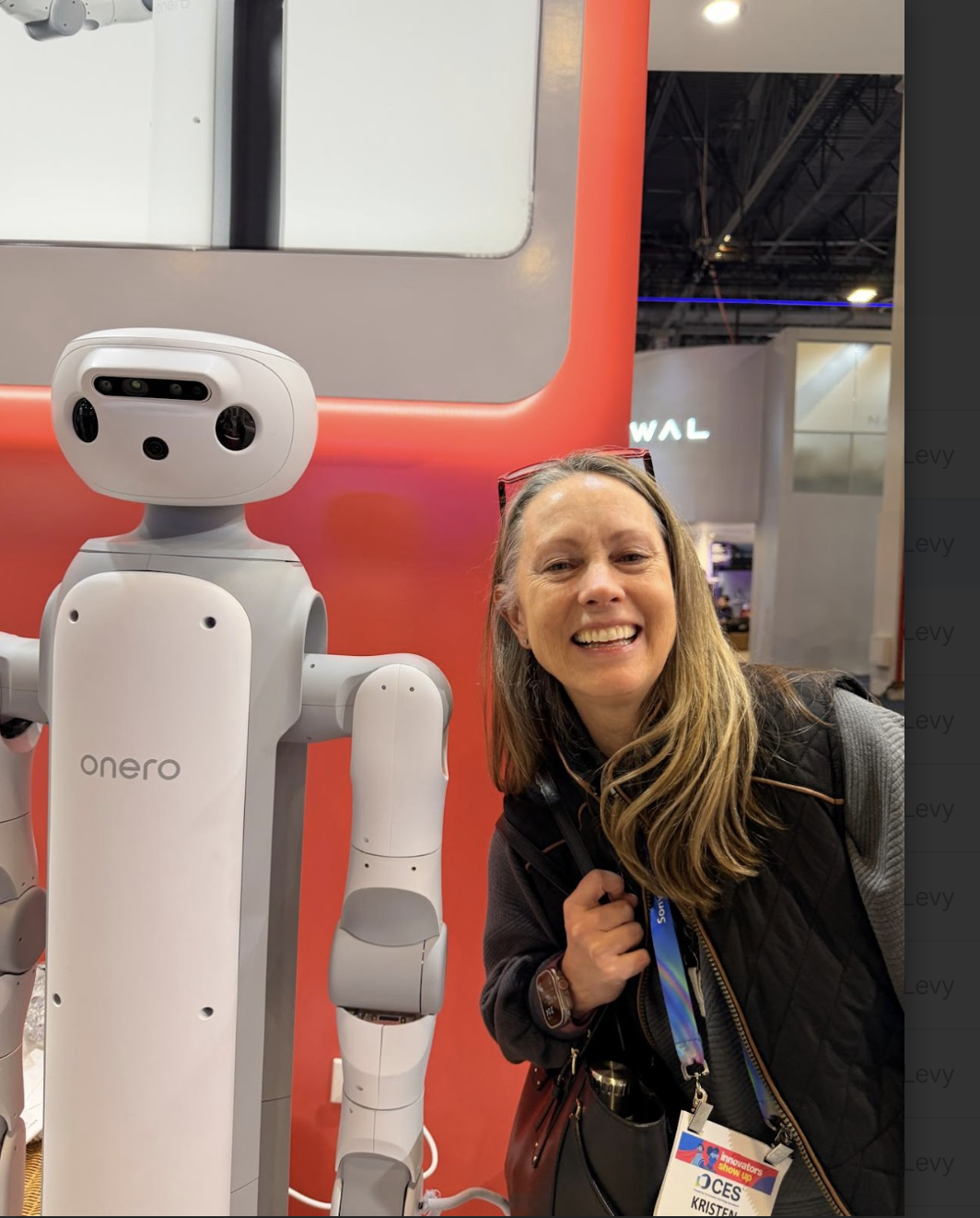
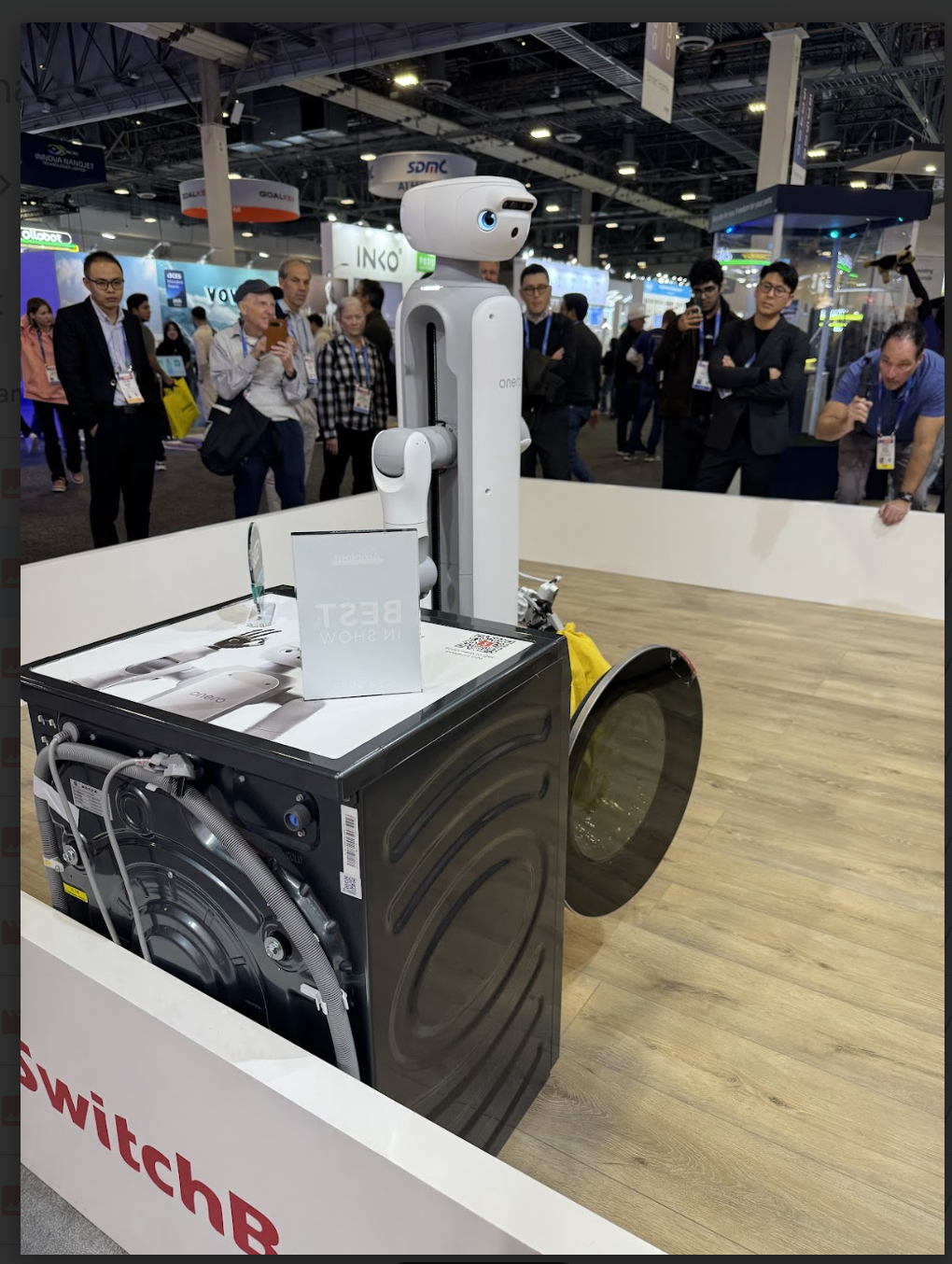
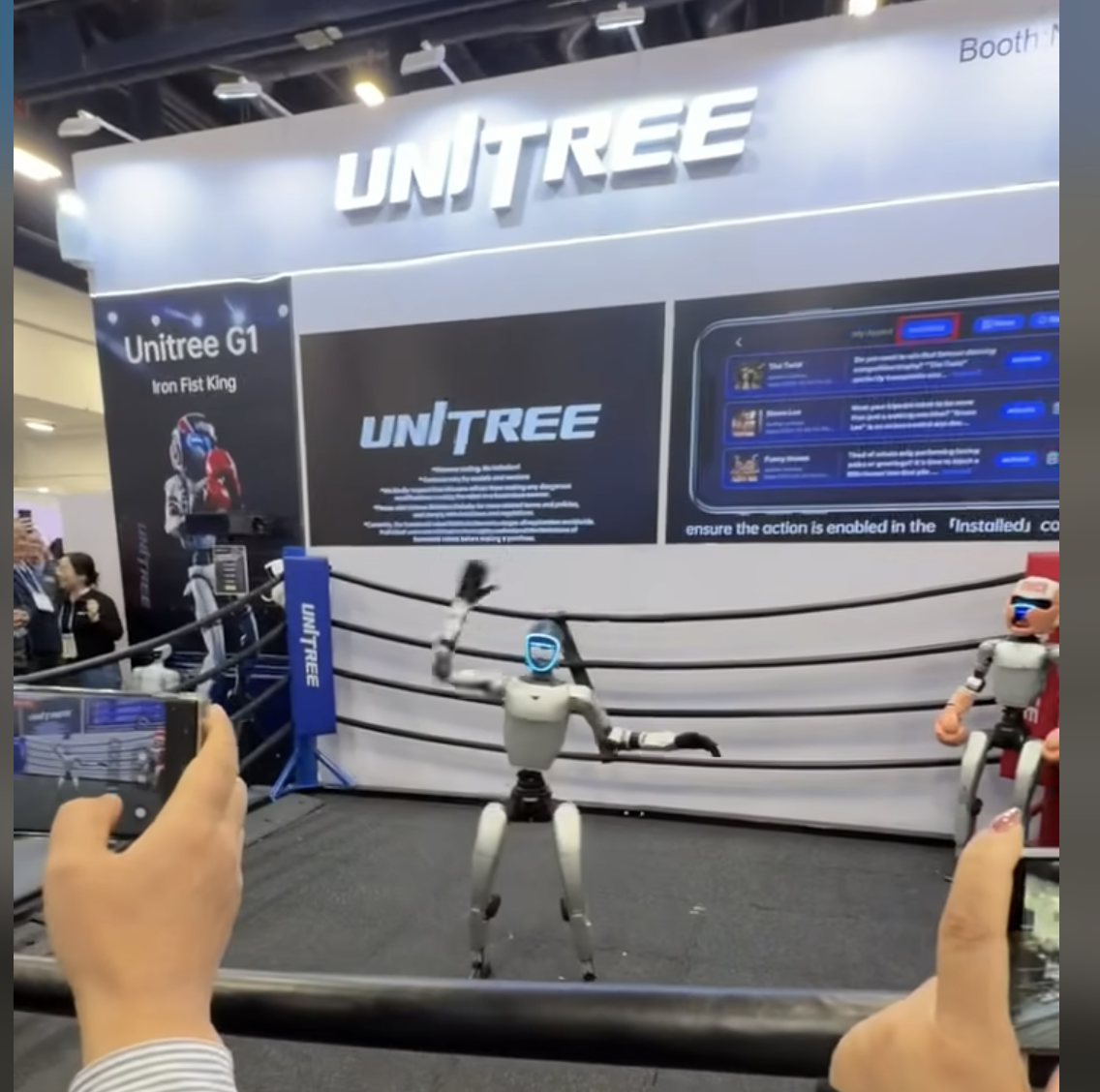
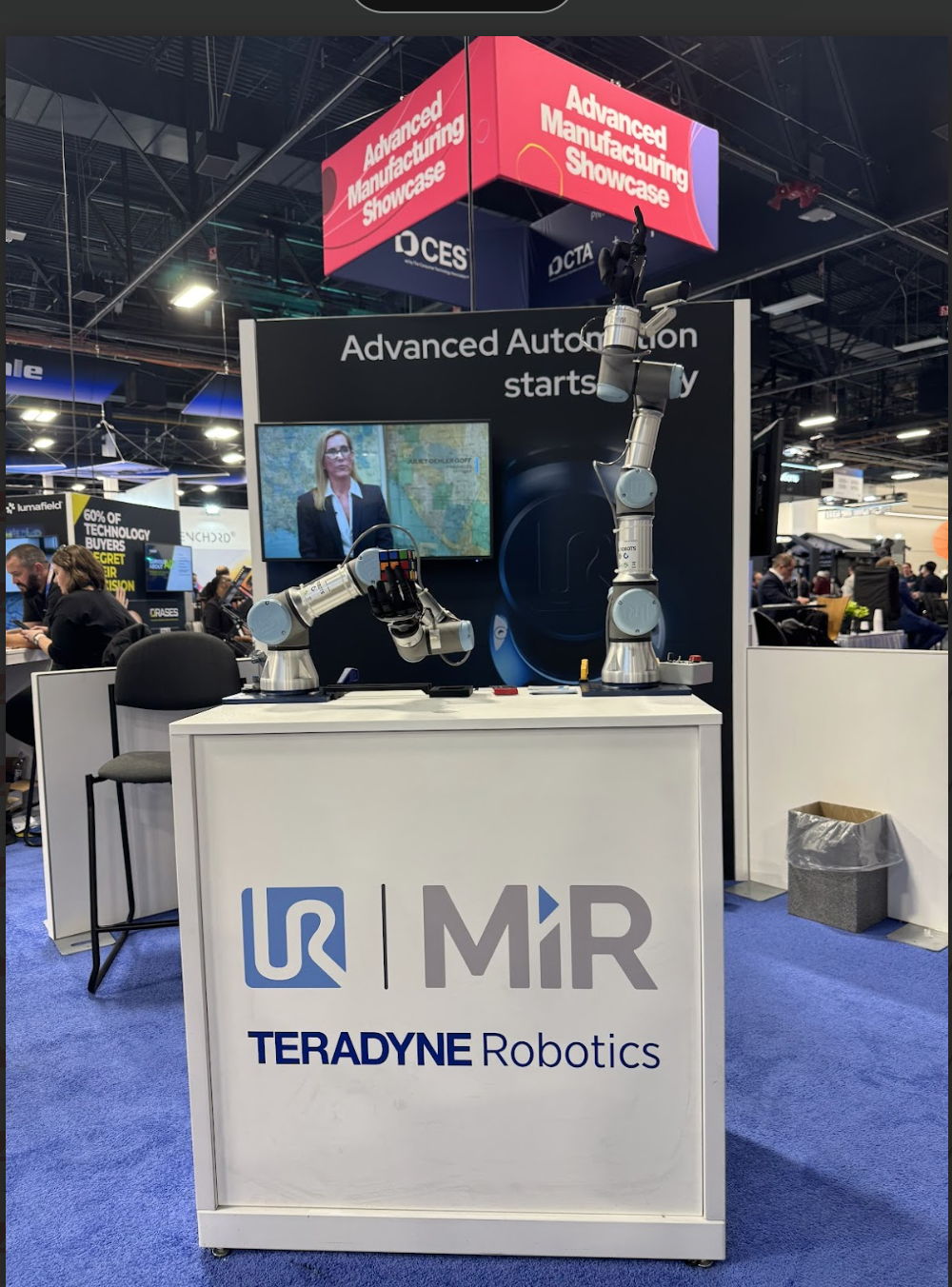
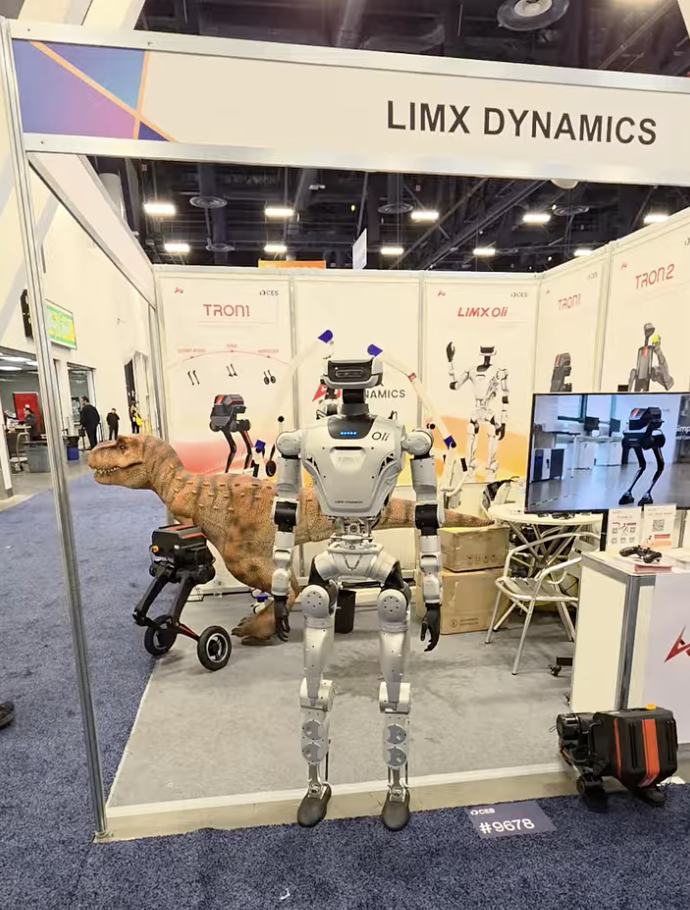
Bospar ensured the client was a defining voice in CES robotics coverage, generating earned and media placements in top-tier CES trend stories and roundups .Broadcast interviews syndicated nationally, reaching millions of viewers. Organic mentions climbed. Coverage continued beyond CES week as stories continued to syndicate.
Highlights include:
- Inclusion in Bloomberg, “China’s Humanoid Bots Were Everywhere at America’s Top Tech Show,” resulted in syndicated articles from the Financial Post and MSN Ireland.
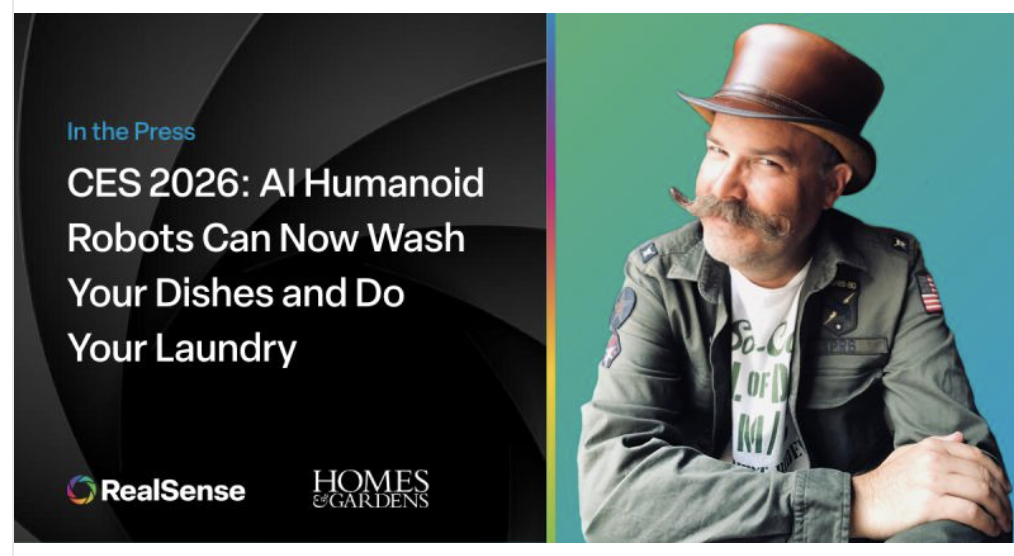
- Dan Fauzi’s article for Homes & Gardens, “CES 2026: AI Humanoid Robots Can Now Wash Your Dishes and Do Your Laundry,” featured the client’s VP of the developer ecosystem, Chris Matthieu.
- “What the Tech? Humanoid robots interact with people at CES trade show in Las Vegas” spotlighted CEO Nadav Orbach and Intbot, a RealSense customer. Coverage aired 11 times across multiple states, with viewership totaling 11,108,104. Two articles have also been published based on the “What The Tech” interview.
- Engadget’s SwitchBot coverage, “Switchbot came to CES with a laundry robot you might actually be able to buy,” highlighted our client’s cameras in the new humanoid butler’s head, arms, hands and abdomen. SwitchBot also earned coverage in a half-dozen additional outlets, including Digital Trends, Interesting Engineering and Yahoo.
Coverage continued after CES ended:
-
-
- The client was included in the Robot Report’s “CES 2026 robotics recap; industry experts make predictions,” with Matthieu commenting on the importance of vision, perception and AI for robotics in 2026.
- Mint featured SwitchBot and our client’s technology in “From helper bots to sex-tech, CES blurs the human–machine line.”
-
Most importantly, the client was fully visible at CES, despite not having a new product on display, and was clearly acknowledged as the vision layer behind the rise of physical AI.
“In the frenzy of spinning out of Intel and the extraordinary momentum we had in the second half of 2025, we had zero time to plan a presence at CES 2026. RealSense essentially created the autonomous robotics perception industry, and as it turns out, CES 2026 was the year of the robot; our customers were there in force. Bospar came up with an incredible media play on a quick turn, positioning us in a way that accurately reflected our leadership position without the need for a massive marketing activation. The results were very impressive.”
— Michael Nielsen, CMO, RealSense
Latest
Blog