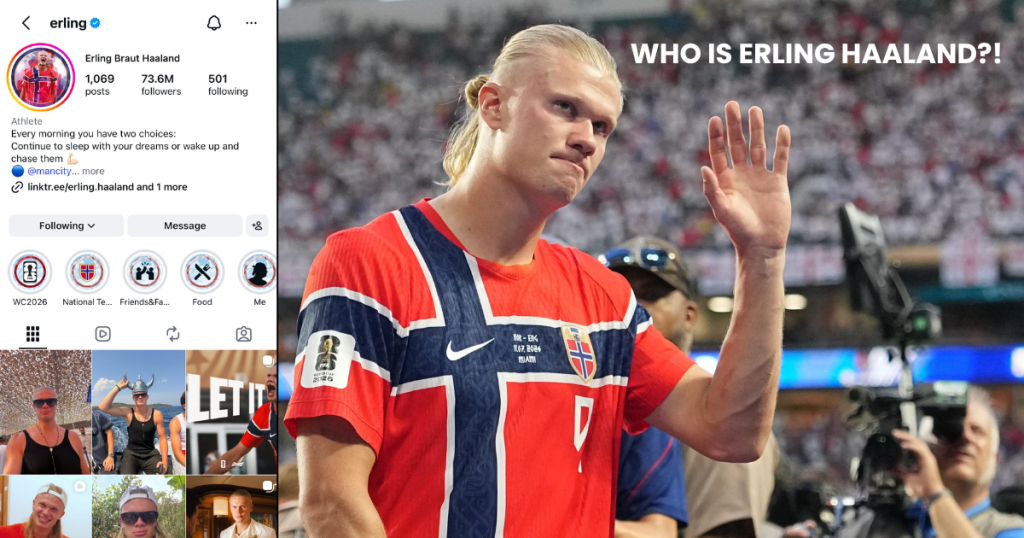
The average American checks their mobile device 159 times a day. From the moment we wake up and scroll, we’re immersed in a deluge of information. We’re constantly consuming content, for better or worse. From foreign affairs and new fashion trends, to diet advice and financial planning tips we didn’t necessarily ask for. This daily bombardment is a mix of harmless, genuinely helpful and sometimes even harmful advice.
For years, the general population has been trusting what they see online as gospel and forming parasocial relationships with social media influencers before their prefrontal cortex is fully developed. Even more detrimental is the fact that the advice being shared can come from virtually anyone, regardless of whether they have the necessary experience or credentials to support it, spreading online misinformation.
But what if there was a reality where influencer content was actually credible and reliable, and not just seemingly so? That’s precisely what China’s new influencer policy is set out to do.
Gaining Popularity of Influencer Culture and FTC Guidelines
When the concept of social media exploded in the early 2000s, the platforms weren’t set up for mass distribution of content. As platforms evolved and opened up newsfeeds by slowly removing users’ agency over what they saw, the groundwork for influencers was established.
From 2010 on, influencers started dominating our favorite platforms. From TikTok to Instagram, influencers have a significant influence on what is perceived as accurate and what ultimately gains momentum.
With the influencer boom came a substantial increase in sponsored content. In 2015, the Federal Trade Commission began applying existing endorsement laws to the rapidly growing world of influencer marketing. At the time, paid promotions often blended in as ordinary posts. Influencers could be paid to sponsor just about anything without any indication that it was an advertisement. This practice fell under what was known as native advertising, content that looked natural and unsponsored to the average viewer.
A well-known example is Lord & Taylor’s 2015 Design Lab collection campaign. Fifty fashion influencers were compensated to wear a single dress and post about it without disclosing the sponsorship. The FTC later charged Lord & Taylor with deceptive advertising.
In 2023, the FTC updated its guidelines for the first time to align with the current influencer culture, ensuring that sponsored content was more clearly disclosed.
From Sponsored Content to Life Advice
Although users are protected from sponsored advertisements, the same can’t be said when it comes to advice on topics that truly impact people’s lives. On social media, people are free to say whatever they like when it comes to financial tips, medical and health advice, and political stances. The only caveat is that they aren’t actually selling their services, which would require a license. This is primarily due to the First Amendment, which guarantees freedom of speech, allowing influencers to express themselves online as they see fit.
The U.S. has yet to enact any influencer regulations or laws that protect users from misinformation or penalize those who spread it. For children still developing their own identities, scrolling through this social media landscape is a significant risk.
Users feel connected and loyal to the influencers they follow on social media, and for that reason, they tend to perceive the information as reliable. According to a 2025 report by the Federal Reserve Bank of Philadelphia, 76% of Gen Z use social media for financial advice. According to Axios, 38% of young adults reported ignoring their medical provider in favor of advice from social media, a 12-point increase from the previous year. The dangers of parasocial influencer relationships can’t be overstated enough.
This highlights that people in the U.S. are increasingly trusting social media influencers, like health influencers and financial influencers, even more than professionals. This is in stark contrast to what’s happening in China, where policies are aimed at maintaining credibility and reducing misinformation.
China’s New Influencer Policy
In October, China announced a new influencer policy that requires influencers to provide proof of professional qualifications before offering financial, medical, legal or educational advice. This is a strategic move designed to protect individuals from misinformation and biased perspectives, while reducing the influence of unqualified influencers
From a regulatory standpoint, the goal is to protect the public interest. From a brand perspective, it’s a signal to reassess how partnerships are formed in one of the world’s most complex digital ecosystems.
How will this actually become a reality? From the social platforms themselves. The platforms are responsible for screening and storing the qualifications of influencers. This marks a radical shift from passive distributors of user content to regulatory filters. In the case platforms fail to enforce accordingly, they’ll be penalized.
This is in stark contrast to American policy, which essentially requires disclosure only when content is sponsored, with little to no protection for the average user.
What China’s Policy Means For Us
Large follower counts do not necessarily equate to significant influence in China. Having a large audience no longer qualifies someone to speak on regulated topics.
The same can’t be said for influencers in America. There are benefits to this. U.S.-based influencers often speak from lived experience, which can feel more relatable and trustworthy. But that same relatability can lead to a problem: viewers start to generalize. The thinking becomes “If it worked for them, it must work for me.” That’s not always true, and it can often be harmful. So the next time you’re scrolling and come across a “health hack,” “money tip,” or “life-changing routine,” pause and ask yourself:
- Is this person qualified to give this advice?
- What are they gaining by sharing it?
- Does their experience apply to my situation?
Taking a few moments to evaluate credibility can protect your health, finances and overall perspective in a digital landscape where relatability can easily be mistaken for expertise.
From a global marketing perspective, brands will need to be cautious in multi-market campaigns, modifying messaging not only with linguistic or cultural considerations in mind, but also for regulatory purposes.
Final Thoughts
Not every “relatable” influencer is a reliable one. Credible influencers are no longer a nice-to-have; they are essential. There’s a lot we can learn from China’s new policy, and while a similar shift is unlikely in the U.S., we do have control over one thing: what we choose to consume, trust and share. This is where strategic PR and thoughtful social media services become invaluable, helping companies protect their brand identity and build credibility.
If you’re interested in building influencer strategies that prioritize credibility, transparency and real value, reach out to sabrina@bospar.com