How PR Turned Real-World Encounters With Robots Into Real-World Trust
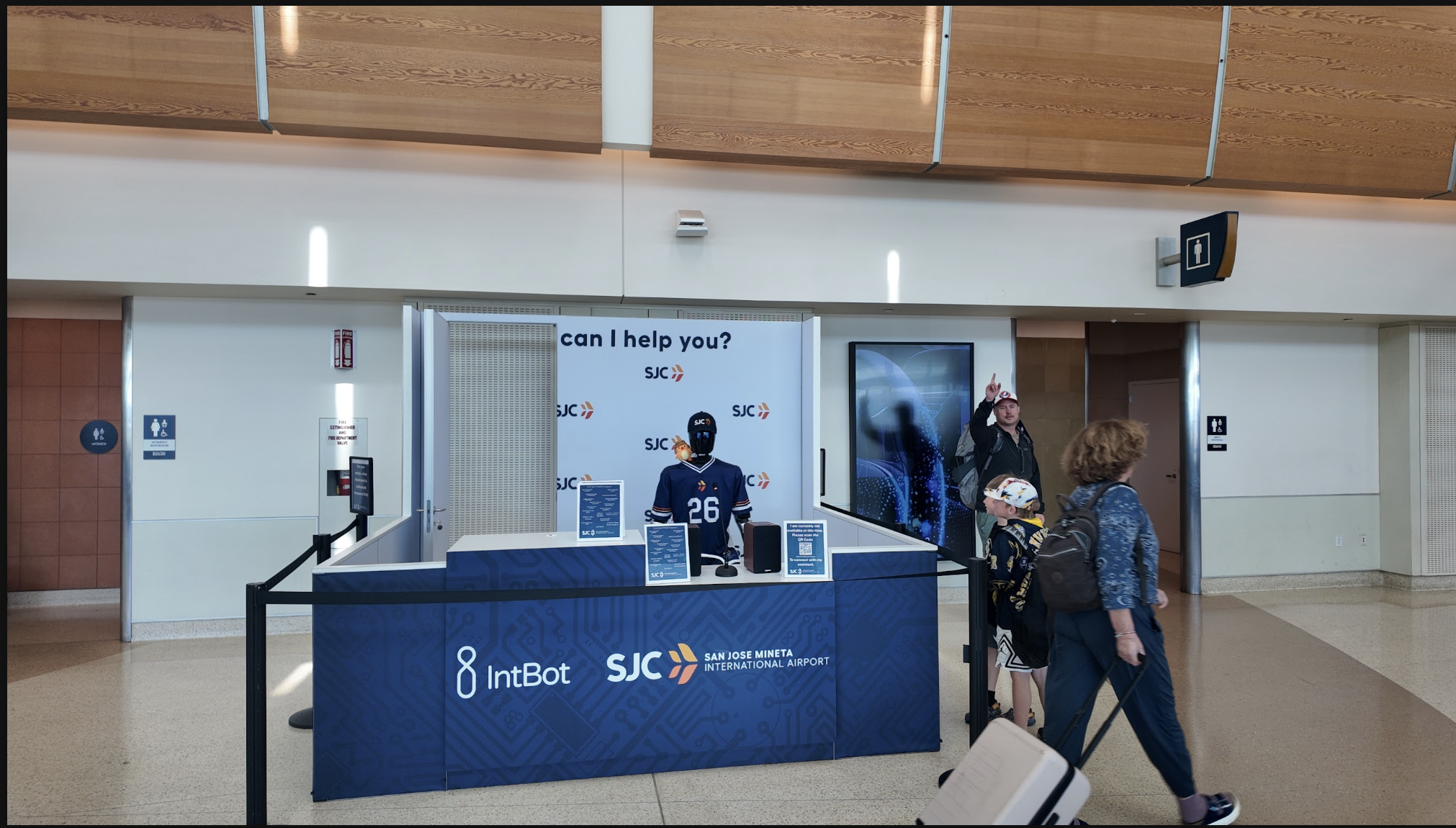
IntBot builds socially intelligent humanoid robots for public-facing settings, including hotels, airports, conferences and campuses. The company had breakthrough technology, almost no brand awareness and had marked 2026 as its breakout year: a CES debut, real hospitality deployments and “Jose,” a multilingual humanoid stationed at San Jose Mineta International Airport for the FIFA World Cup travel surge.
Bospar’s mandate: build public trust, prove real-world value and position the company as the credible face of safe robotics, all on a $50,000, five-month budget with zero paid media or advertising spend.
Challenge
The obstacle wasn’t the technology. It was the story already being told about it.
Media analysis at the outset of the campaign found that coverage of humanoid robots skewed heavily toward risk. Popular Science reported that robots operating around people still experienced failures, falls and unpredictable behavior. TechSpot ran footage of a robot “going berserk in a factory, nearly injuring two nearby workers.” Emerging debate over safety standards centered on a blunt fear: Nobody wants a six-foot, 140-pound robot falling on them.
The challenge was therefore bigger than generating awareness. The company needed technology trust building and a fundamental shift in the public perception of humanoid robots.
Strategy
The insight was simple: trust doesn’t come from claims; it comes from contact.
Rather than asking audiences to believe that humanoid robots were safe, useful and socially intelligent, Bospar created opportunities for people to experience those qualities firsthand. The strategy became a combination of robotics PR, trade show media strategy, B2B product launch publicity and real-world demonstrations designed to put the client’s technology directly in front of the people whose opinions mattered.
Research showed that people who interacted directly with robots trusted them far more than people who only read about them. Instead of competing dollar-for-dollar with better-funded rivals, Bospar attached the robots to moments where media, customers and decision-makers were already gathered, turning existing attention into earned coverage and letting the robots build the case for themselves.
Four activations carried that strategy over four months.
January, CES: A humanoid autonomously worked the booth floor in front of thousands of attendees and global press, giving reporters a live demonstration of the technology rather than a traditional product pitch.
February, Marriott Tulsa: “Tulse” went to work inside a Marriott hotel, serving real guests rather than performing a staged demo. The deployment transformed the robot from a trade-show curiosity into a working hospitality technology.
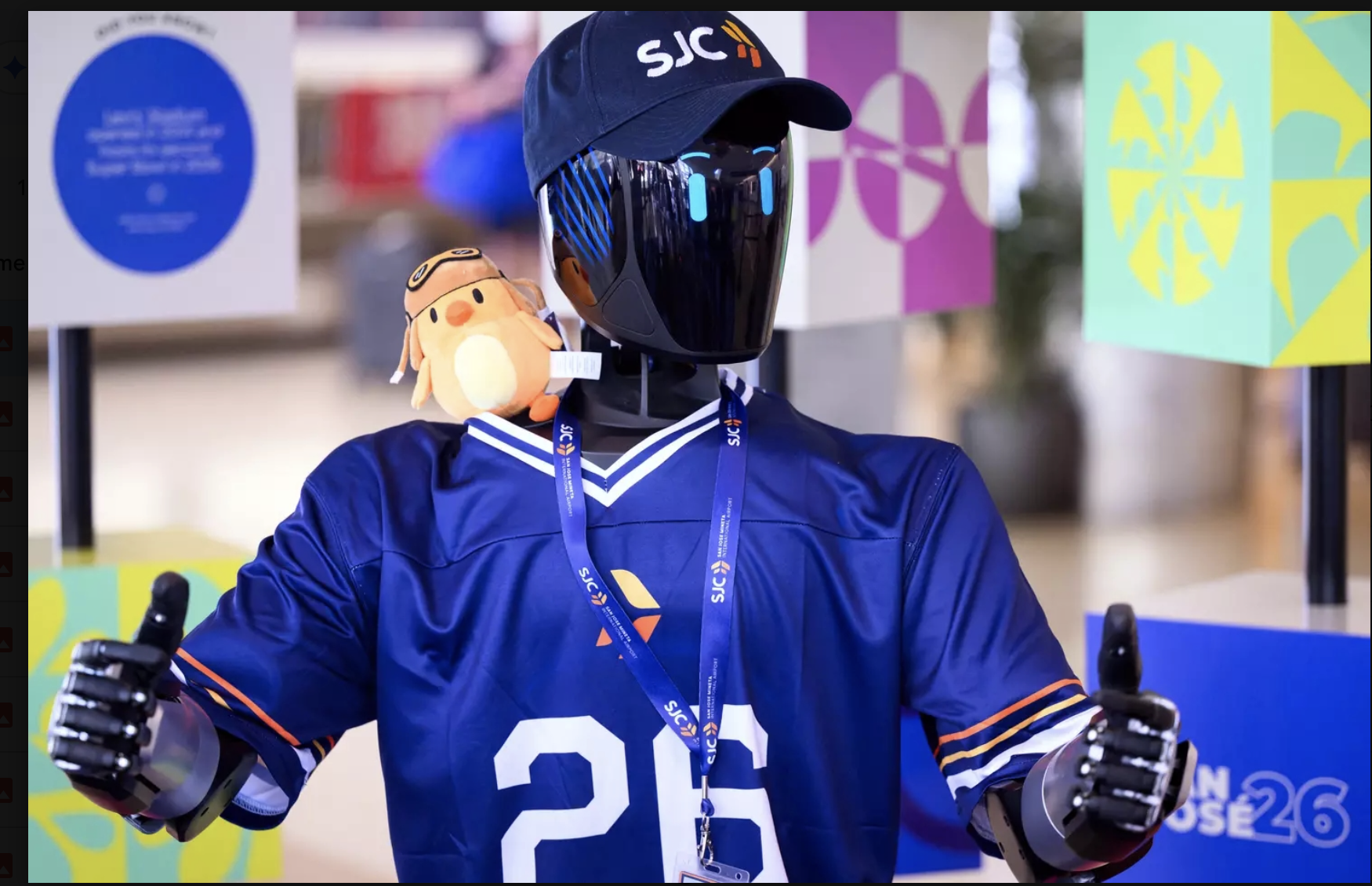
March, San Jose Mineta International Airport: “Jose” launched at the airport, fielding traveler questions in more than 50 languages ahead of the World Cup. The deployment demonstrated the value of a multilingual robot for international travelers while putting the client’s technology into one of the most demanding public-facing environments imaginable.
April, NASDAQ: The client’s robot rang the NASDAQ opening bell, carrying the story beyond technology media and into business and financial press.
Together, the activations created a continuous narrative arc: from live demonstrations as credibility for hardware companies, to real-world deployment, to measurable human interaction, to mainstream business recognition.
The campaign generated 629 earned media placements between January and May 2026, a total UVM of just under 2 billion and 83 broadcast segments reaching 14.8 million viewers. Bospar secured coverage in:
- Business Insider (Alistair Blair reporting)
- NBC Bay Area (Scott Budman reporting)
- Daily Mail (Jowena Riley reporting)
- Parade (syndicated to more than 20 regional dailies, including the Sacramento Bee and Charlotte Observer) ( Lauren Wellbank reporting)
- The Robot Report
- Interesting Engineering (Atharva Gosavi reporting)
Coverage quality matched volume.
Business Insider framed Jose as a robot deployed “to ease travel snarls.” NBC Bay Area showed Jose helping travelers find flights and answer questions. The Daily Mail positioned the robot as a stress reliever for international passengers. Every story laddered back to the company’s core message.
The clearest proof came from the public itself.
In its first three weeks at the airport, Jose logged more than 120,000 interactions and over 11,000 individual conversations across 251 languages. Seventy percent of those interactions were social rather than task-driven: travelers greeting, chatting with and exploring Jose’s capabilities rather than simply issuing commands. Sentiment was positive across nearly every interaction type.
All on $50,000 over five months and zero paid media.