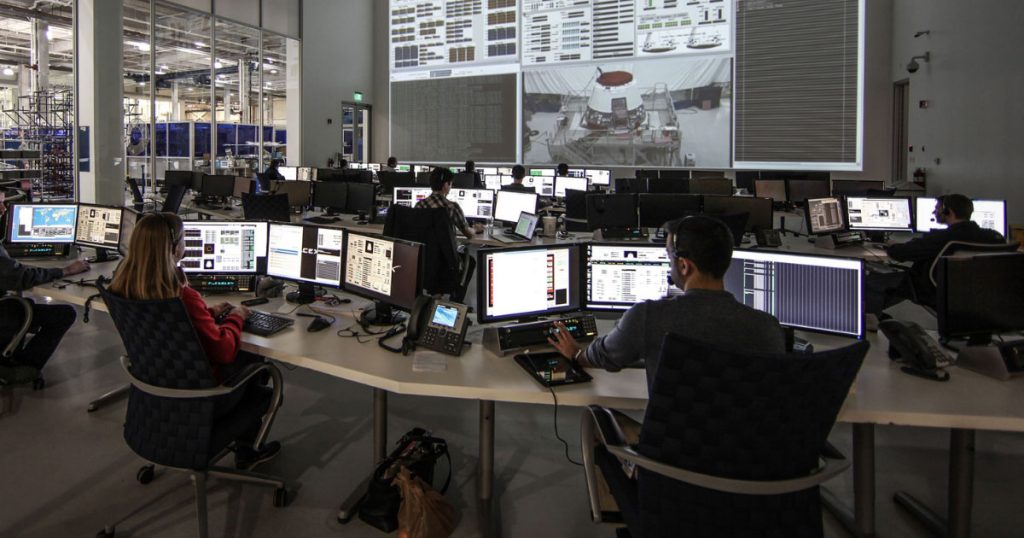
For decades, public safety has been a human operation. Security guards monitor cameras, 911 dispatchers rely on eyewitness accounts and the public is encouraged to report suspicious activity. The system works — but only to a point.
Most surveillance tools were built to document incidents after they happen, not stop them in real time.
Artificial intelligence (AI) is changing that. AI is shifting the reactive public safety conversation to a proactive readiness system, with real-time situational and data analysis and more efficient resource allocation.
But with that shift comes a transfer of accountability that few organizations have thought through.
Leaders are tracking the capabilities unlocked by AI, but are they tracking who is responsible when the system gets it wrong?
Businesses today can enable smart alerts that notify security personnel of the presence of a firearm, groups loitering near potential conflict and more. These smart alerts are powered by specially trained AI and trigger notifications that require human review and quick-tap systems to notify law enforcement after verification of a danger.
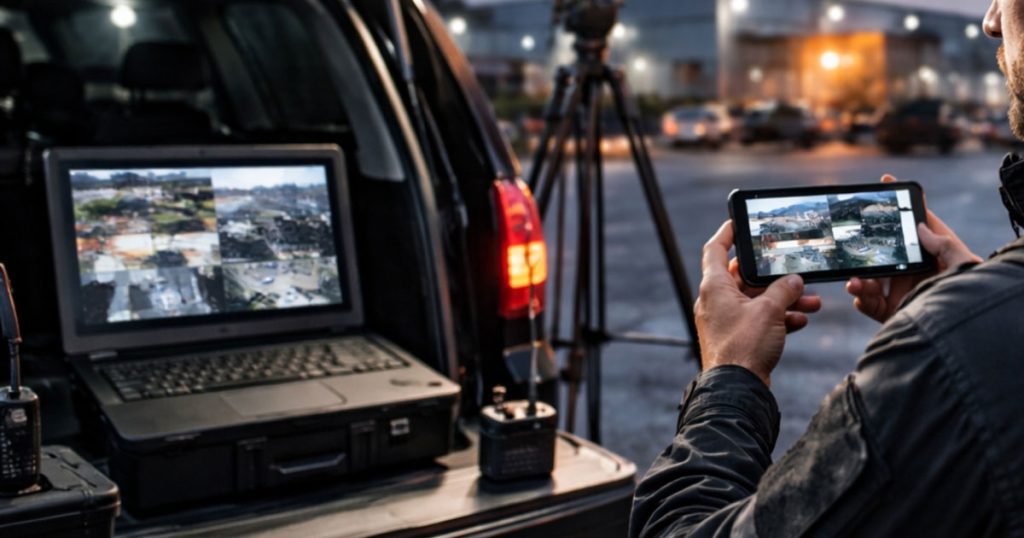
Beyond alerts, AI-enabled video search speeds up responses when an incident can’t be prevented. Let’s say security personnel are notified of an incident involving a man in a black hat at an unspecified time and location. Before AI, they would have to scrub through multiple video feeds to observe the incident and then perform a time-consuming manual search to find out where he went next and where he is currently. Within an AI-enabled security system, that process takes seconds. Searches can be performed on live feeds to find “a man in a black hat,” quickly directing the security guard to a shortlist of potential incidents, speeding up verification and response.
The next step is agentic AI, and the use cases escalate quickly
Imagine an agent that notifies businesses when employees aren’t wearing hard hats during working hours or school resource officers receiving alerts when unauthorized vehicles enter specific areas of a parking lot. From operational convenience to genuine public safety decisions, the leap is faster than most leaders expect.
While AI accelerates positive response, it also creates a new category of failure: the false alarm. A system that triggers too many false flags doesn’t just fail; it trains people to ignore real ones, and is actively dangerous to the public.
Too often, when AI gets it wrong, innocent people pay. Would Brandon Upchurch and his cousin have been pulled over if the license plate reader were required to show officers exactly which steps it automated? Human verification at any step could have caught the error.
False alarms aren’t the only risk. AI also triggers something more instinctive: people’s requirements around privacy.
The uproar following the Ring Super Bowl commercial
Viewers’ reaction to the recent Ring Super Bowl commercial demonstrated that people value privacy. The commercial showcased how AI can use your neighbors’ video feeds to track down a missing pet. Sounds warm and fuzzy, right?
But the world didn’t rejoice in how many lost dogs could be found. Instead, the public’s reaction was overwhelmingly negative, using the commercial as proof of far-reaching, invasive surveillance.
If a Super Bowl ad was enough to make everyday consumers ask who can access their footage, imagine what employees, customers and constituents will ask when organizations deploy AI tools at scale?
That’s why leaders in public safety should be watching for, and partnering with, the businesses that deploy AI with privacy and verification in mind. Before deploying AI, business owners and public safety leaders should ask three questions:
- Is this AI being given too much power to trigger a response without human intervention, creating the potential for false alarms?
- What cybersecurity measures are in place where data is being stored?
- What access and data-sharing rules are in place, ensuring sensitive information is safeguarded?
AI can strengthen public safety, but only when accountability is designed into the system. Responsible deployment requires human verification, transparency and strong governance.
Key takeaways:
- AI is shifting public safety from reactive monitoring to proactive readiness
- Faster detection also shifts accountability when automated systems make mistakes
- False alarms can erode trust and train responders to ignore real threats
- Privacy concerns will shape public acceptance of AI-driven surveillance tools